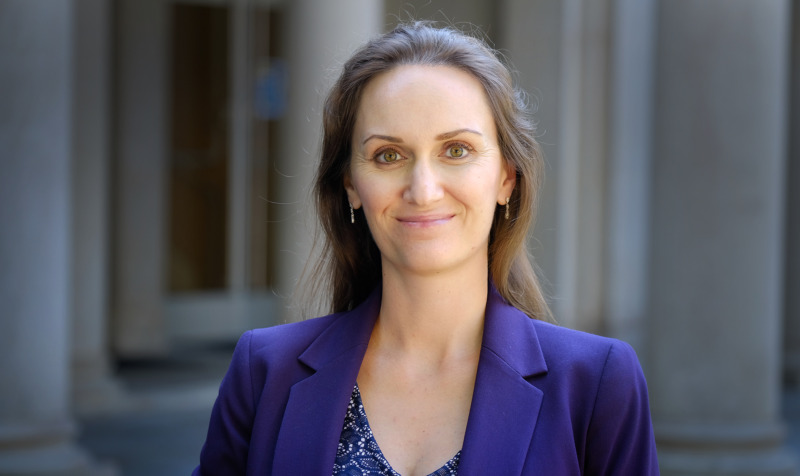
Yulia Nikiforov
VerifiedUniversity of North Carolina at Chapel Hill · Health Behavior
Active 1994–2024
Research topics
- Medicine
- Pathology
- Internal medicine
- Genetics
- Biology
Selected publications
The Journal of Clinical Endocrinology & Metabolism · 2023 · 59 citations
- Medicine
- Pathology
- Internal medicine
CONTEXT: Comprehensive genomic analysis of thyroid nodules for multiple classes of molecular alterations detected in a large series of fine needle aspiration (FNA) samples has not been reported. OBJECTIVE: To determine the prevalence of clinically relevant molecular alterations in Bethesda categories III-VI (BCIII-VI) thyroid nodules. METHODS: This retrospective analysis of FNA samples, tested by ThyroSeq v3 using Genomic Classifier and Cancer Risk Classifier at UPMC Molecular and Genomic Pathology laboratory, analyzed the prevalence of diagnostic, prognostic, and targetable genetic alterations in a total of 50 734 BCIII-VI nodules from 48 225 patients. RESULTS: Among 50 734 informative FNA samples, 65.3% were test-negative, 33.9% positive, 0.2% positive for medullary carcinoma, and 0.6% positive for parathyroid. The benign call rate in BCIII-IV nodules was 68%. Among test-positive samples, 73.3% had mutations, 11.3% gene fusions, and 10.8% isolated copy number alterations. Comparing BCIII-IV nodules with BCV-VI nodules revealed a shift from predominantly RAS-like alterations to BRAF V600E-like alterations and fusions involving receptor tyrosine kinases (RTK). Using ThyroSeq Cancer Risk Classifier, a high-risk profile, which typically included TERT or TP53 mutations, was found in 6% of samples, more frequently BCV-VI. RNA-Seq confirmed ThyroSeq detection of novel RTK fusions in 98.9% of cases. CONCLUSION: In this series, 68% of BCIII-IV nodules were classified as negative by ThyroSeq, potentially preventing diagnostic surgery in this subset of patients. Specific genetic alterations were detected in most BCV-VI nodules, with a higher prevalence of BRAF and TERT mutations and targetable gene fusions compared to BCIII-IV nodules, offering prognostic and therapeutic information for patient management.
Modern Pathology · 2020 · 155 citations
Senior authorCorresponding- Pathology
- Medicine
- Biology
Recent grants
NIH · $43.5M · 2004–2027
ALK Rearrangements in Aggressive Thyroid Cancer
NIH · $3.3M · 2014–2025
NIH · $3.8M · 2018
Cancer Research Career Enhancement and Related Activities
NIH · $96.9M · 1997–2027
Frequent coauthors
- 433 shared
Marina N. Nikiforova
University of Pittsburgh
- 169 shared
Abigail I. Wald
- 143 shared
Somak Roy
- 139 shared
Ronald L. Hamilton
- 138 shared
Sally E. Carty
University of Pittsburgh
- 138 shared
Ian F. Pollack
University of Pittsburgh
- 123 shared
Zubair Baloch
Philadelphia University
- 119 shared
Raffaele Ciampi
Education
MD, PhD
Minsk Medical Institute
- Resume-aware match score
- Save to shortlist
- AI-drafted outreach
See your match with Yulia Nikiforov
PhdFit ranks faculty by your research interests, methods, and publications — grounded in their actual work, not templates.
- Free to start
- No credit card
- 30-second signup