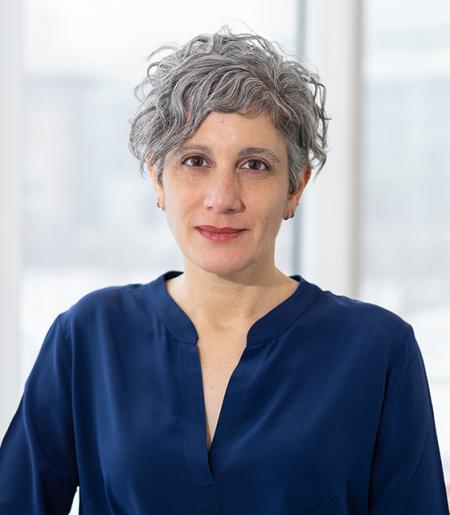
Lori Khatchadourian
· Associate ProfessorVerifiedCornell University · Classics
Active 2005–2025
About
Lori Khatchadourian is a professor associated with the Cornell Institute of Archaeology and Material Studies (CIAMS) and is involved with the Landscapes and Objects Laboratory (LOL) at Cornell University. Her work focuses on the analysis and interpretation of archaeological materials, exploring the role of the material world—from landscapes and places to assemblages and artifacts—in human social life. Her research includes the use of advanced scientific techniques such as portable X-Ray Fluorescence (pXRF) to examine cultural heritage objects, including ancient coins, illuminated manuscripts, and paintings, to identify pigments, materials, and potential forgeries. She collaborates with graduate students, postdoctoral researchers, and other specialists to conduct these analyses, contributing to the understanding of historical artifacts and their provenance.
Research topics
- Sociology
- Political Science
- Geography
- Physical geography
- Ecology
- Aesthetics
- Epistemology
- Art
- Virology
- Philosophy
- Law
- History
- Physics
- Medicine
- Archaeology
- Mathematics
- Biology
Selected publications
Études arméniennes contemporaines · 2025-01-01
articleOpen access1st authorCorrespondingLori Khatchadourian is an archaeologist working at the intersection of methodological approaches emanating from social anthropology, critical heritage studies, and of course also archaeology. Geographically, her research has focused on Armenia and the South Caucasus. We sat down with Dr. Khatchadourian to discuss at length the role of material objects and the material world in her research, her ongoing interests in material culture and its impact on social life, as well as her public-facing, engaged research through the Caucasus Heritage Watch project. We talked about the excavation of (hidden or neglected) objects, the stories that can be told and the new inspirations that can be drawn from them. We also addressed the specific yet diverse ways in which the materiality of the past (be it Persian antiquity or socialist modernity) shapes contemporary political, economic, and ethical questions and relations, yet, at the same time, how being attentive to the present enables to grasp and to reconsider the remnants and debris of the past in novel ways.
HAL (Le Centre pour la Communication Scientifique Directe) · 2024-08-28
articleInternational audience
Archaeopress Publishing Ltd eBooks · 2023-03-01 · 1 citations
book-chapterThe Project ArAGATS Kasakh Valley Archaeological Survey, Armenia: Report of the 2014–2017 Seasons
American Journal of Archaeology · 2022-03-15 · 3 citations
articleDuring four field seasons spanning 2014 through 2017, Project ArAGATS (Archaeology and Geography of Ancient Transcaucasian Societies) expanded our long-term research on the origins and development of complex political systems in the South Caucasus with a comprehensive study of the upper Kasakh River valley in north-central Armenia. The Kasakh Valley Archaeological Survey employed both systematic transect survey of 43 km2 and extensive satellite- and drone-based reconnaissance to accommodate the complex topography of the Lesser Caucasus and the impacts of Soviet-era land amelioration. Though our survey was animated by questions related to the chronology and distribution of Bronze and Iron Age fortifications and cemeteries, we also recorded Paleolithic sites stretching back to the earliest human settlement of the Caucasus, Early Bronze Age surface finds, and historic landscape modifications. Concurrent to the survey, members of the ArAGATS team carried out test excavations at select settlement sites and associated burials, and a series of wetland core extractions, with the goals of affirming site occupation sequences and setting them within their environmental context. This report provides an overview of the results of these multidisciplinary activities.1
Life Extempore: Trials of Ruination in the Twilight Zone of Soviet Industry
Cultural Anthropology · 2022 · 26 citations
1st authorCorresponding- Sociology
- Political Science
- Sociology
This essay attends to the temporal and material relations through which the former Soviet proletariat and former factory directors pull the remnants of the socialist factory into relations of capital. I introduce the concept of trials of ruination to refer to the struggles to discover value in old things, when the temporal and material logics of capital, and the waning life course of objects and humans, test the limits of those efforts. A life extempore is one in which the primary tactic for discovering value is perpetual extemporization, doing things one never planned or was trained to do. Life extempore alerts us to an orientation to time that is grounded firmly in the present, marked by a sense of urgency, requiring creativity and spontaneity, and existentially linked to a position of exteriority from dominant temporal ideologies of socialism and capitalism. This study focuses on the improvisational practices of two “extemporists”, and their efforts to revalue the persistent material world of Soviet industry. ԱՄՓՈՓՈՒՄ Հոդվածում քննարկվում են այն ժամանակային և նյութական առնչակցությունները, որոնց միջոցով նախկին խորհրդային պրոլետարիատը և գործարանների նախկին տնօրենները կապիտալի հարաբերությունների մեջ են ներքաշում սոցիալիստական գործարանի մնացորդները։ Ես առաջարկում եմ «փլատականացման փորձության» (“trials of ruination”) կոնցեպտը, որն անդրադառնում է հին իրերի մեջ արժեք գտնելու համար պայքարին, երբ կապիտալի ժամանակային և նյութական տրամաբանությունը, ինչպես նաև առարկաների և մարդկանց կրճատվող կենսընթացները փորձարկման են ենթարկում այդ ջանքերի սահմանները: «Extempore», այսինքն «հանպատրաստից” կյանքը այնպիսի մի վիճակ է, երբ արժեքի բացահայտման հիմնական մարտավարությունը հավերժական մի փորձարկում է, որի ընթացքում արվում են այնպիսի բաներ, որոնք երբեք չեն պլանավորվել կամ սովորական չեն համարվել։ «Extempore»-կյանքը ժամանակային առումով միշտ վերաբերում է ներկային, նշանավորված է հրատապության զգացմամբ, պահանջում է ստեղծագործականություն ու ինքնաբխություն և էքզիստենցիալ կերպով կապված է տարբեր ժամանակներում գերիշխող սոցիալիզմի և կապիտալիզմի գաղափարախոսություններից դուրս գտնվող դիրքավորման հետ։ Այս ուսումնասիրությունը անդրադառնում է «extempore» կյանքով ապրող երկու անհատների իմպրովիզացիոն պրակտիկաներին և խորհրդային արդյունաբերության դիմակայող նյութականությունը վերարժևորելու նրանց ջանքերին. РЕЗЮМЕ В этой статье анализируются временные и материальные отношения, посредством которых бывший советский пролетариат и бывшие директоры промышленных предприятий втягивают останки социалистических заводов и фабрик в отношения капитала. Я ввожу концепцию «испытания руинизацией», которая характеризует борьбу за обнаружение ценности старых вещей, в процессе которой временная и материальная логика капитала и сокращающиеся сроки жизни объектов и людей подвергают пределы этих усилий испытанию. Жизнь extempore, то есть экспромтом описывается как состояние, при котором основные тактики по обнаружению ценности представляют из себя непрерывный поиск и попытки делать вещи, которые никогда не делались раньше и никогда не были привычными. Жизнь extempore приводит нас к временной ориентации на настоящее, отмечена чувством срочности, требует изобретательности и спонтанности, а также в экзистенциальном смысле связана с позицией, которая всегда вне доминантных в то или иное время идеологий социализма и капитализма. Исследование сфокусировано на импровизационных практиках двух персонажей, живущих extempore и их усилиях по переоценке сохранившейся материальности Советского индустриального периода.
University of Arizona Press eBooks · 2022-08-16 · 2 citations
book-chapter1st authorCorresponding2021-03-04
preprintOpen access<p>The mountainous area of Armenia has been a steppe throughout the Holocene with a rich history of fire events throughout this period. Previous research has found that changes in fire are linked to shifts between Poaceae grasslands and semi-arid Chenopodiaceae steppes. However, the climate and human drivers of these fires has yet to be fully explored in an area where agriculture has been practiced for almost 8,000 years. To elucidate these changes, we performed and compiled macro-charcoal analysis on four wetland sediment cores from the Kasakh Valley, Armenia. We aimed to understand fire frequency, intensity, size, and drivers of these events. In addition, we utilize a paleotemperature molecular biomarker branched glycerol dialkyl glycerol tetraethers (brGDGTs), a pollen climate reconstruction for temperature and precipitation, and the vast amount of archaeological data to help us untangle these changes. Early results suggest fires increase as temperature rose during the early Holocene and continue to increase with temperature during the Mid-Holocene despite an increase in agriculture during the Early Bronze Age. Between 4000 - 2000 cal. BP fires are small and almost disappear from the record. During this period these declines appear to be driven both by temperature fluctuations and an increase in regional mobile pastoralism resulting in declining biomass. Over the last 2000 years, humans appear to be the primary driver of fires with an increase in large intense events that are local to the watershed.</p>
An Archaeology of the Contemporary Era
Norwegian Archaeological Review · 2021-03-26 · 2 citations
article1st authorCorrespondingAlfredo Gonzalez-Ruibal’s book is either a manifesto in the guise of a textbook, or a textbook in the guise of a manifesto. Like any good textbook, the book approximates a comprehensive compilation...
False dilemmas? Or what COVID-19 can teach us about material theory, responsibility and ‘hard power’
Antiquity · 2020 · 10 citations
1st authorCorresponding- Epistemology
- Mathematics
- Philosophy
An abstract is not available for this content so a preview has been provided. Please use the Get access link above for information on how to access this content.
Quaternary Science Reviews · 2020 · 45 citations
- Physical geography
- Geography
- Ecology
Frequent coauthors
- 11 shared
Adam T. Smith
- 8 shared
Ruben Badalyan
National Academy of Sciences of Armenia
- 7 shared
Ian Lindsay
Purdue University West Lafayette
- 7 shared
Lucas Dugerdil
Université Claude Bernard Lyon 1
- 6 shared
Amy Cromartie
Cornell University
- 6 shared
Sébastien Joannin
Institut des Sciences de l'Evolution de Montpellier
- 6 shared
Odile Peyron
Institut des Sciences de l'Evolution de Montpellier
- 5 shared
Chéïma Barhoumi
Labs
LOLPI
The Landscapes and Objects Laboratory at Cornell University
- Resume-aware match score
- Save to shortlist
- AI-drafted outreach
See your match with Lori Khatchadourian
PhdFit ranks faculty by your research interests, methods, and publications — grounded in their actual work, not templates.
- Free to start
- No credit card
- 30-second signup