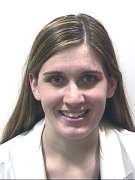
Christin M. Traba
· Associate ProfessorVerifiedRutgers University · Pediatrics
Active 1995–2026
About
Christin M. Traba, MD, MPH is a native of New Jersey who graduated from Saint Peter's College in Jersey City with a bachelor's degree in biology in 2002. She pursued her medical training at the University of Medicine and Dentistry of New Jersey - New Jersey Medical School (now Rutgers), earning a joint MD/MPH degree in 2006. She completed her pediatric residency training and chief residency at NJMS. Since joining the faculty in 2010 as an assistant professor of pediatrics, she has been actively involved in resident and undergraduate medical education, serving as the pediatric clerkship director and previously as associate program director and program director for the pediatric residency. In 2019, she became the interim Associate Dean for Education and subsequently the Associate Dean for Education in 2020, overseeing four years of undergraduate medical education. Her areas of interest include medical education and hospital medicine, and she has contributed to research and publications related to medical student education, community outreach, and addressing implicit bias in treatment.
Research topics
- Computer Science
- Political Science
- Psychology
- Artificial Intelligence
- Medicine
- Surgery
- Family medicine
- Medical education
- Management science
- Mathematics
- Engineering
Selected publications
Journal of Cancer Education · 2026-01-27
articleOpen accessPrecision Medicine (PM)–the use of genomic, environment, and lifestyle data to design care based on individual patient characteristics–has become increasingly important in oncology practice. However, many medical schools lack dedicated instruction in this area. This study aimed to develop a novel educational session integrating PM into the Rutgers New Jersey Medical School third-year curriculum. An in-person, 1.5-h session was implemented, consisting of a lecture introducing definitions, diagnostic and therapeutic platforms, and challenges in PM, followed by an interactive clinical case discussing its applications in non-small cell lung cancer. Pre- and post-assessments evaluated students’ perceived abilities and attitudes and their knowledge and application of PM concepts. The session was attended by 178 students, with 136 paired pre- and post-tests available for analysis (pre-test response rate 92%, post-test 78%). After the session, students believed that they had a greater ability to apply PM in clinical scenarios (pre-test mean 2.7/5, post-test mean 4.3/5, p < 0.01) and perceived greater importance of learning about PM (pre-test mean 3.7/5, post-test mean 4.4/5, p < 0.01). Responses also showed modest improvement in objective content scores (pre-test mean 2.9/10, post-test mean 4.8/10, p < 0.01). At the end of the session, over 90% of students reported that they planned to apply what they had learned in their future practice of medicine. Overall, the session was effective in increasing participants’ understanding, confidence, and appreciation of PM. Future efforts should explore broader integration of PM content into curricula to better prepare students for its growing role in clinical practice.
Western Journal of Emergency Medicine · 2026-03-27
articleOpen accessReassessment.Led by residency program faculty serving as content experts for each case type, we developed interactive, case-based exercises (ABEM CE Prep) that reflect the new CE format and incorporated them into residency training.Educational Objectives: (1) design and execute a series of interactive, case-based exercises that mirror ABEM's eight CE case types with the assistance of residency program faculty content experts, and (2) create matched numerical scoring systems for formative feedback.Curricular Design: Using ABEM materials for each of the eight CE case types, faculty content experts (1) prepared a corresponding interactive, case-based exercise, and (2) created a numerical scoring system matched to each case based on ABEM's general scoring criteria.We initiated biannual, fourhour, in-person ABEM CE Prep training sessions within our residency conference.For these sessions, residents rotated every 15 minutes through the eight CE case stations led by the faculty content expert case creators.Resident performance at each station was assessed using each case's structured numerical tool via QR-coded forms.The faculty content experts also provided immediate verbal feedback to each resident on their performance at each station.Impact/Effectiveness: Our ABEM CE Prep initiative is designed to help residents prepare for the ABEM Certifying Examination and engage faculty in this interactive training.Future work should assess how resident scores during these sessions predict ABEM CE performance.
Medical Science Educator · 2025-04-14
articleOpen accessAbstract There is a demand for leadership development within undergraduate medical education. This study explored a student peer facilitator role within a pre-clerkship anatomy small-group curriculum to evaluate its impact on leadership skill development. Facilitators led their group during discussions, and the role rotated between group members after each quiz. Data were collected through paired pre- and post-course surveys, post-session summary forms, and individual reflection surveys. Facilitators reported significantly gaining confidence in various leadership skills ( p = 0.007). This suggests that a peer facilitator role could provide students with valuable leadership experience, and future studies could include more structured training and explicit feedback.
The Voice of Physicians: The Essential Role of Public Speaking in Medical Training
Medical Science Educator · 2025-05-29 · 1 citations
articleOpen accessSenior authorPublic speaking skills are essential for career advancement and success in medicine. This needs assessment evaluated the public speaking challenges faced by medical students and faculty, identifying areas where targeted training can enhance communication skills crucial for medical practice. Size and demographics (e.g., students versus attendings) of the audience population affect public speaking confidence, particularly for students. Both groups prefer practical, interactive learning methods, like workshops and peer practice. Medical schools can integrate training and practice opportunities into existing curricula, ensuring that students still receive essential communication skills development within their current programs. Supplementary Information: The online version contains supplementary material available at 10.1007/s40670-025-02419-3.
Escape Room Activity to Teach Head and Neck Anatomy
MedEdPORTAL · 2025-02-04 · 3 citations
articleOpen accessIntroduction: Students have ranked head and neck anatomy as one of the most complex areas to learn as it contains highly detailed spaces. Incorporating a head and neck escape room activity into anatomy curricula provides an engaging and effective way for the students to review these spaces and their relationships. Methods: We piloted a head and neck escape room activity for the Rutgers School of Dental Medicine students (round A) and implemented a modified version for the Rutgers New Jersey Medical School students (round B) as an anatomy review. We utilized a mixed-methods analysis to determine the activity's effectiveness in reviewing this content and garner students' perceptions. Results: = .16). Discussion: While the escape room may not have shown significant improvement in knowledge, integrating this active learning tool does help students identify gaps in their knowledge and requires the utilization of various skills, which can make students better health care professionals.
Clinical Anatomy · 2025-08-03
articleOpen accessABSTRACT While some health science professional programs may utilize a team to teach anatomy, they are often anatomists or professionals from the same field. The purpose of this study was to investigate the perspectives of health professional students on the incorporation of interdisciplinary team teaching comprised primarily of an anatomist, physical therapist, and a medical doctor to collectively teach a small group anatomy curriculum. The medical students (MS; N Class of 2025 = 179 and N Class of 2026 = 174), dental students (DS; N Class of 2027 = 90), and physical therapy students (PT; N Class of 2027 = 25) were enrolled in a human anatomy course between January 2023 and December 2023 and were invited to participate in this survey. Most students affirmed that each team member provided diverse perspectives to apply the anatomy to clinical settings, offering valuable insights and guidance for upper‐level courses and their careers. They acknowledged that different team members excelled in specific content areas, and even though students did not often specifically target a faculty member for various topics, collectively, the diverse teaching team aided in facilitating a well‐rounded learning experience. Students expressed high satisfaction with their professional school anatomy course, which was co‐taught by an interdisciplinary team. Although students had access to faculty from different professions, they generally did not seek out specific faculty for field‐related inquiries. They preferred to interact with the main teaching faculty, which included the primary anatomist, medical doctor, and physical therapist.
Medical Science Educator · 2025-02-22 · 1 citations
articleOpen accessAccelerated 3-year medical school programs (A3YP) allow students to complete medical school in 3 years rather than the traditional 4-year program (4YP). This paper describes the perspective of 14 A3YPs, exploring the rate of and reasons for transition out of an accelerated pathway into a traditional 4YP. As of 2023, 19% of students in A3YP transitioned to 4YP. The authors provide practical recommendations to guide transitions based on pooled experiences and expert consensus from members of the Consortium of Accelerated Medical Pathway Programs (CAMPP). Having clear policies that define academic, clinical, and professional expectations and processes to guide transition is important.
Journal of the National Medical Association · 2025-02-01 · 2 citations
articleOpen accessMinimally-melanated skin has been the standard for dermatologic education. Research has shown that the lack of brown and black images in dermatologic medical education may contribute to unequal early recognition of diseases across different skin types. Promoting visual equity in educational resources throughout undergraduate medical education may allow for students to improve their confidence in identifying skin lesions in patients of color. Dermatology lectures at Rutgers New Jersey Medical School (NJMS) were examined using the New Immigrant Survey (NIS) Skin Color Scale. Four pre-clerkship lectures featuring various skin lesions were analyzed and images were categorized as light/white, medium/brown, and dark/black skin types. The light/white skin category was the most heavily represented accounting for 59.5 % (n = 185) of all images across the four lectures, medium/brown skin type accounted for 16.1 % (n = 50), and dark/black skin type was 24.4 % (n = 76). Across the four lectures, there were 109 dermatologic conditions covered. Of the 109, 35 (32 %) only included images from one skin tone, which was usually light/white skin, whereas 17 (16 %) included images of all three skin types. INSTITUTION is located in Newark, New Jersey a diverse community with 48.2 % of its residents identifying as Black/African American and 36.8 % identifying as Hispanic/Latino in 2022. Currently, there have been efforts at INSTITUTION to promote visual learning equity, especially to represent the community it resides in. Addressing this disparity in medical education is a vital step toward achieving more equitable healthcare practices and outcomes for patients.
Academic Medicine · 2024-08-23 · 10 citations
articlePURPOSE: Accelerated 3-year programs (A3YPs) at medical schools were developed to address student debt and mitigate workforce shortage issues. This study investigated whether medical school length (3 vs 4 years) was associated with early residency performance. The primary research question was as follows: Are the Accreditation Council for Graduate Medical Education Milestones (MS) attained by A3YP graduates comparable to graduates of traditional 4-year programs (T4YPs) at 6 and 12 months into internship? METHOD: The MS data from students entering U.S. medical schools in 2021 and 2022 from the 6 largest specialties were used: emergency medicine, family medicine, internal medicine, general surgery, psychiatry, and pediatrics. Three-year and 4-year graduates were matched for analysis (2,899 matched learners: 182 in A3YPs and 2,717 in T4YPs). The study used a noninferiority study design to examine data trends between the study cohort (A3YP) and control cohort (T4YP). To account for medical school and residency program effects, the authors used cross-classified random-effects regression to account for clustering and estimate group differences. RESULTS: The mean Harmonized MS ratings for the midyear and end-year reporting periods showed no significant differences between the A3YP and T4YP groups (mean [SE] cross-classified coefficient = 0.01 [0.02], P = .77). Mean MS ratings across internal medicine MS for the midyear and end-year reporting periods showed no significant differences between the A3YP and T4YP groups (mean [SE] cross-classified coefficient = -0.03 [0.03], P = .31). Similarly, for family medicine, there were no statistically significant differences between the A3YP and T4YP groups (mean [SE] cross-classified coefficient = 0.01 [0.02], P = .96). CONCLUSIONS: For the specialties studied, there were no significant differences in MS performance between 3-year and 4-year graduates at 6 and 12 months into internship. These results support comparable efficacy of A3YPs in preparing medical students for residency.
Testing the Effects of Individual Residents’ Retrieval Practice on Standardized Examination Scores
Medical Science Educator · 2024-04-05 · 3 citations
articleOpen accessSenior author
Frequent coauthors
- 61 shared
Sophia Chen
- 24 shared
Sangeeta Lamba
- 22 shared
George Holan
Rutgers New Jersey Medical School
- 22 shared
Jeremy J. Grachan
Office of Education
- 21 shared
Kristin Wong
- 15 shared
Bart Holland
Rutgers New Jersey Medical School
- 14 shared
Rijul Asri
Rutgers, The State University of New Jersey
- 13 shared
Maria Soto‐Greene
Education
- 2002
B.S.
Saint Peter`s College
- 2006
M.D.
UMDNJ-New Jersey Medical School
- 2006
Other
UMDNJ-New Jersey Medical School
- Resume-aware match score
- Save to shortlist
- AI-drafted outreach
See your match with Christin M. Traba
PhdFit ranks faculty by your research interests, methods, and publications — grounded in their actual work, not templates.
- Free to start
- No credit card
- 30-second signup