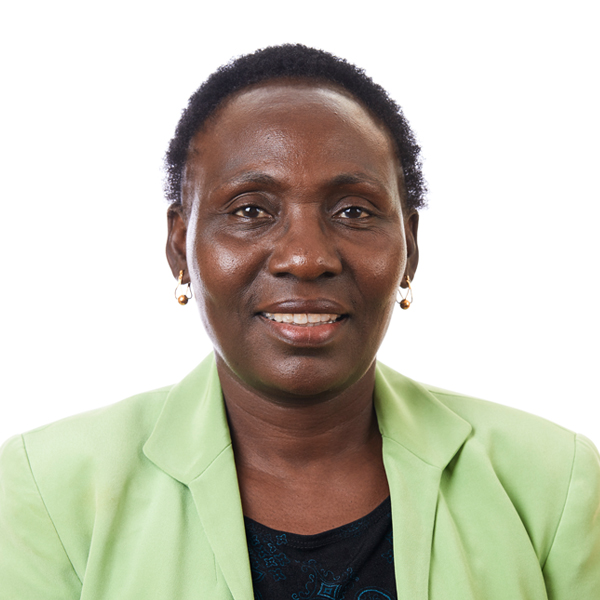
Monica A Onyango
· Clinical Associate Professor, Global Health - Boston University School of Public HealthVerifiedBoston University · Global Health
Active 1997–2025
About
Monica Adhiambo Onyango, RN, MPH, MS, PhD, is a Clinical Associate Professor in the Department of Global Health at Boston University School of Public Health (BUSPH). She is the current director of the Global Health Context Certificate and also serves as a visiting Professor at the Department of Nursing Sciences, Faculty of Health Sciences, University of Nairobi. With over 30 years of experience in health care delivery, management, teaching, and research, Dr. Onyango teaches courses related to managing disasters and complex humanitarian emergencies, sexual and reproductive health in disaster settings, global reproductive and perinatal health, immigrant and refugee health in the United States, preventing sexual and intimate partner violence, and individual, community, and population health. Her research interests and publications focus on sexual and reproductive health, maternal and child health, HIV/AIDS, the role of nurses and midwives in improving health status globally, and health care among populations forcibly displaced by natural disasters and war. Her recent projects include examining sexual and reproductive health and transactional sex among forcibly displaced populations in Jordan, Lebanon, and Turkey; exploring resilience in mental wellbeing and health service utilization among Syrian and Palestinian refugees in Lebanon; engaging school stakeholders to reduce HIV stigma and improve antiretroviral therapy adherence among adolescents in western Kenya; and exploring mental health challenges among African immigrants in Massachusetts. Prior to her work at BUSPH, she worked with the Kenya Ministry of Health for ten years in management positions at hospitals and as a lecturer at Nairobi’s Medical Training College, School of Nursing. She has also led community-based health services and maternal and child health programs for refugees and internally displaced populations in South Sudan, Angola, and Kenya. Dr. Onyango holds a PhD in Nursing from Boston College, along with master's degrees in Nursing and Public Health from Boston College and Boston University, respectively, and diplomas in advanced nursing, general nursing, and midwifery from Nairobi University and Kenya Medical Training College. She is a registered nurse by the Massachusetts Board of Nursing.
Research topics
- Political Science
- Sociology
- Medicine
- Social Science
- Economic growth
- Engineering
- Nursing
- Family medicine
- Virology
- Demography
- Environmental health
- Law
- Economics
Selected publications
Conflict and Health · 2025-03-14 · 1 citations
articleOpen accessSenior authorBACKGROUND: This pilot study explored the challenges experienced by Syrian and Palestinian refugees in Lebanon and the role of resilience in general health and mental wellbeing. METHODS: This was a mixed methods cross-sectional study conducted in the cities of Beirut and Tripoli in Lebanon. Two hundred Syrian and Palestinian refugees were surveyed and 20 of them participated in in-depth interviews. Descriptive statistics summarized the demographic characteristics, depression, anxiety, resilience, somatic symptoms, and technological use. Associations between resilience and depression, anxiety, and somatic symptoms were measured by calculating Pearson correlation coefficients and Spearman's rank correlation coefficients. Inductive and deductive coding and analysis was used in qualitative data. RESULTS: Refugees' migration journey was characterized by fear, lack of safety, and lack of food. In Lebanon, they experienced discrimination, racism, and challenges in meeting necessities. The three most important challenges experienced by refugees were securing electricity (40.8%), getting medicines (41.6%), and accessing medical care (37%). The mean resilience score was 68.20 ± 19.35. Palestinian refugees had higher mean resilience scores (77.01 ± 17.4) compared to Syrian (61.34 ± 19.45) and Syrian Palestinian (61.14 ± 14.69) refugees. Majority of participants had high levels of somatic complaints with a mean PHQ-15 score of 14.29 ± 6.77. The median GAD-7 score was 14.7 [11.0, 20.0], with the majority of participants (n = 161, 80.5%) reporting moderate or severe anxiety. The mean PHQ-9 score was 15.38 ± 7.33, with most of the participants (n = 121, 60.5%) reporting moderately severe or severe major depression symptoms. Higher resilience levels were associated with lower anxiety, depression, and somatic levels. Religion, friends, family, and good communication were reported as helping refugees cope with challenges. CONCLUSION: Resilience impacts physical and mental health. Participants with high resilience were found to have better mental and physical health outcomes. Those with higher resilience also reported stronger ties and use of these factors to overcome their challenges.
Confidence in Care Provision Among Third-Year Midwifery Students in Western Kenya
Research Square · 2025-08-19
preprintOpen accessEast African Journal of Neurological Sciences · 2025-02-19
articleOpen accessBackground: Africa faces a significant disparity in neurological care due to a shortage of specialized practitioners. This is further compounded by the underrepresentation of women in neuroscience careers. This study aimed to assess the impact of the Ubongo Brain Awareness Campaign on female high school students' interest and perceptions regarding neuroscience careers. Methodology: This study used a cross-sectional survey with female high school students from twos schools in Nairobi who participated in the Ubongo Brain Awareness Campaign. Workshops included lectures and practical sessions on neuroscience. Data was collected through surveys and analyzed using descriptive statistics and thematic analysis to assess students' interest and knowledge in neuroscience. Results: The study involved 42 female high school students (ages 14-18) who participated in the Ubongo Brain Awareness Campaign. Post-campaign, students reported increased interest in neuroscience, with average interest levels rising from 3.88 to 4.14 on a 5-point scale. Nearly 98% felt more informed about career opportunities in neuroscience, and 75% experienced a positive perception change. Key challenges included lack of resources, financial constraints, and concerns about the demanding nature of the profession. Students suggested more practical workshops, continuous engagement, expanded outreach, and detailed career information to enhance future neuroscience campaigns and support their career aspirations. Conclusion: The Ubongo Brain Awareness Campaign significantly boosted students' interest in neuroscience, highlighting the campaign's success. Key challenges included resource shortages, financial barriers, and limited mentorship. Recommendations include increasing hands-on activities, continuous engagement, expanded outreach, and mentorship programs to address gender disparities in neuroscience.
Pedagogy in Health Promotion · 2024-12-10
articleMaster of Public Health (MPH) “core courses” are essential preparation for advanced study and professional practice. As a multidisciplinary, core course teaching team, we aim to balance collaboration, the need to update content, and consistency across sections with faculty autonomy, while also attending to time constraints and Council on Education for Public Health (CEPH) accreditation requirements. In this paper, we describe and discuss advantages and disadvantages of the four strategies we used to illuminate how we spend class time, prioritize content, and balance institutional consistency with instructor individuality. The strategies are: create common course materials; hold regular instructional team meetings; capture teacher impressions after each weekly class; and conduct individual syllabus and semester review interviews with the teaching team. Analysis led to seven recommendations for both teaching teams and administrators of schools and programs of public health that have the potential to improve the teaching of core subjects. Core courses present instructors with opportunities to feature our specific departments and potentially inspire students to work in our specialty areas. These findings are relevant to colleagues who are striving to respect the autonomy to which many in academia are accustomed and help ensure students enjoy consistent, high-quality experiences in team-taught courses.
Journal of Refugee Studies · 2024-07-22 · 6 citations
articleOpen accessSenior authorAbstract People of diverse sexual orientations, gender identities, and expressions who have been forcibly displaced (hereafter referred to as ‘queer refugees’) encounter liminal conditions along their displacement journeys that reinforce their marginalization. We conducted interviews with 46 queer refugees in four countries: Lebanon, Turkey, Greece, and Switzerland. We found that restrictive border controls, migration and refugee policies, asylum processes, and integration efforts structured queer refugees’ liminalities. In turn, they employed survival strategies, including engaging in transactional sexual practices, to meet their basic needs; however, these practices introduced health challenges for which they had limited access to services. In many instances, queer refugees engaged in transactional sex under exploitative and abusive conditions that heightened the risk of sexual and gender-based violence. Thus, we conclude that forced displacement emplaced queer refugees in states of multidimensional liminality that reinforced their marginalization.
Humanitarian Response to Complex Emergencies and Natural Disasters
Elsevier eBooks · 2023-10-31 · 3 citations
book-chapter1st authorCorrespondingWillingness to pay brand premiums for generic medicines in Kenya: A bidding game experiment
The International Journal of Health Planning and Management · 2023-06-19 · 1 citations
articleBACKGROUND: Recent growth in the market share of higher priced branded generic medicines in low- and middle-income countries (LMICs) has raised concerns around affordability and access. We examined consumer willingness to pay (WTP) for branded versus unbranded generic non-communicable disease (NCD) medicines in Kenya. METHODS: We randomly assigned NCD patients to receive a hypothetical offer for either a Novartis Access-branded medicine or for an unbranded generic equivalent. We then analysed WTP data captured using a bidding game methodology. RESULTS: We found that WTP for Novartis Access medicines was on average 23% higher than for unbranded generic equivalents (p = 0.009). The WTP brand premium was driven almost entirely by wealthier patients. CONCLUSIONS: Our findings suggest that the dominance of branded generics in LMICs like Kenya reflect in part consumer preferences for these medicines. Governments and other health sector actors may be justified in intervening to improve access to these medicines and equivalent non-branded generics, particularly for the poorest patients who appear to have no preference for branded medicines.
PLoS ONE · 2022-12-01 · 14 citations
articleOpen accessBACKGROUND: The midwifery model of care is a human rights-based approach (HRBA) that is unique and appropriate for the majority of healthy pregnant women, yet full expression may be limited within the medical model. Midwifery centers are facilities designed specifically to enable the practice of midwifery. In high resource countries, they have been shown to be cost effective, evidence-based, avoid over medicalization, and provide safe, efficient and satisfying care. METHODS: A quasi-experimental design was used to assess the impact of three models of care on women's experiences of respect, and trust in maternity care provision, both before and during the pandemic in Bangladesh, as well as their fear and knowledge around COVID-19, during the pandemic. The models were: "fully enabled midwifery" ("FEM") in freestanding midwifery centers; "midwifery and medicine" ("MAM") in medical facilities with midwives working alongside nurses and doctors; and "no midwifery" ("NoM") in medical facilities without midwives. Phone survey data were collected and analyzed from all women (n = 1,191) who delivered from Jan 2020-June 2020 at seven health care facilities in Bangladesh. Comparison of means, ANOVA, post hoc Tukey, and effect size were used to explore the differences in outcomes across time periods. FINDINGS: Pre-pandemic, women served by the FEM model reported significantly higher rates of trust and respect (p<0·001) compared to the NoM model, and significantly higher rates of trust (p<0·001) compared to MAM. During the pandemic, in the FEM model, the experiences of respect and trust did not change significantly from the pre-pandemic rates, and were significantly higher than both the MAM and NoM models (p < 0·001). Additionally, during the pandemic, women served by the FEM model had the lowest experience of COVID fear (p<0·001). INTERPRETATION: Fully enabled midwifery in midwifery centers had a significantly positive effect on woman's experience of respect and trust in care compared to the other models, even in the context of a pandemic.
PLoS ONE · 2022-04-20 · 15 citations
articleOpen accessOBJECTIVES: This study aims to describe trends and estimate impact of county-level universal health coverage expansion in Kenya on household availability of non-communicable disease medicines, medicine obtainment at public hospitals and proportion of medicines obtained free of charge. METHODS: Data from phone surveillance of households in eight Kenyan counties between December 2016 and September 2019 were used. Three primary outcomes related to access were assessed based on patient report: availability of non-communicable disease medicines at the household; non-communicable disease medicine obtainment at a public hospital versus a different outlet; and non-communicable disease medicine obtainment free of cost versus at a non-zero price. Mixed models adjusting for fixed and random effects were used to estimate associations between outcomes of interest and UHC exposure. RESULTS: The 197 respondents with universal health coverage were similar on all demographic factors to the 415 respondents with no universal health coverage. Private chemists were the most popular place of purchase throughout the study. Adjusting for demographic factors, county and time fixed effects, there was a significant increase in free medicines (aOR 2.55, 95% CI 1.73, 3.76), significant decrease in medicine obtainment at public hospitals (aOR 0.68, 95% CI 0.47, 0.97), and no impact on the availability of non-communicable disease medicines in households (aβ -0.004, 95% CI -0.058, 0.050) with universal health coverage. CONCLUSIONS: Access to universal health coverage caused a significant increase in free non-communicable disease medicines, indicating financial risk protection. Interestingly, this is not accompanied with increases in public hospitals purchases or household availability of non-communicable disease medicines, with public health centers playing a greater role in supply of free medicines. This raises the question as to the status of supply-side investments at the public hospitals, to facilitate availability of quality-assured medicines.
Phone-based monitoring to evaluate health policy and program implementation in Kenya
Health Policy and Planning · 2021-02-16 · 8 citations
articleOpen accessMonitoring and evaluating policies and programs in low- and middle-income countries are often difficult because of the lack of routine data. High mobile phone ownership in these countries presents an opportunity for efficient data collection through telephone interviews. This study examined the feasibility of collecting data on medicines through telephone interviews in Kenya. Data on the availability and prices of medicines at 137 health facilities and 639 patients were collected in September 2016 via in-person interviews. Between December 2016 and December 2017, monthly telephone interviews were conducted with health facilities and patients. An unannounced in-person interview was conducted with respondents to validate the telephone interview within 24 h. A bottom-up itemization costing approach was used to estimate the costs of telephone and in-person data collection. In-depth interviews were conducted with data collectors and respondents to explore their perceptions on both modes of data collection. The level of agreement between data on medicines availability collected through phone and in-person interviews was strong at the health facility level [kappa = 0.90; confidence interval (CI) 0.88-0.92] and moderate at the household level (kappa = 0.50, CI 0.39-0.60). Price data from telephone and in-person interviews showed strong intra-class correlation at health facilities [intra-class correlation coefficient (ICC) = 0.96] and moderate intra-class correlation at households (ICC = 0.47). The cost per phone interview at health facilities and households were $19.73 and $16.86, respectively, compared to $186.20 for a baseline in-person interview. Participants considered telephone interviews to be more convenient. In countries with high cell phone penetration, telephone data collection should be considered in monitoring and evaluating public health programs especially at health facilities. Additional strategies may be needed to optimize this mode of data collection at the household level. Variations in cell phone ownership, telecommunication network and data collection costs across different settings may limit the generalizability of the findings from this study.
Frequent coauthors
- 23 shared
Richard Laing
- 12 shared
Veronika J. Wirtz
Boston University
- 12 shared
Peter C. Rockers
Boston University
- 8 shared
Katherine Albutt
- 8 shared
Susan A. Bartels
Queen's University
- 8 shared
Jennifer Scott
- 8 shared
S. Rouhani
Brigham and Women's Hospital
- 8 shared
Jennifer Beard
Boston University
- Resume-aware match score
- Save to shortlist
- AI-drafted outreach
See your match with Monica A Onyango
PhdFit ranks faculty by your research interests, methods, and publications — grounded in their actual work, not templates.
- Free to start
- No credit card
- 30-second signup