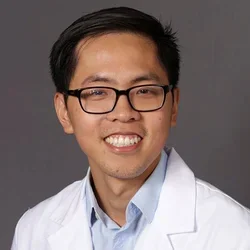
Eric C. Sung, D.D.S.
· Professor of Clinical Dentistry, Chair of the Section of Special Patient Care and Maxillofacial Prosthetics, Momentum Endowed Chair in Special Patient CareVerifiedUniversity of California, Los Angeles · Dentistry
Active 1987–2025
About
Dr. Eric C. Sung is a professor of clinical dentistry at UCLA School of Dentistry and serves as the chair of the Section of Special Patient Care and Maxillofacial Prosthetics. He holds the Momentum Endowed Chair in Special Patient Care. His background is in training and providing comprehensive treatment for medically, physically, and psychologically complex individuals. Dr. Sung teaches courses including CL403.30, CL403.10, CL404.10, and participates in multiple systems courses. He also leads the Salvation Army Selective and teaches in the postgraduate General Practice Residency program. His patient care activities are conducted in the maxillo-facial clinic at UCLA. His research focuses on dental materials and the treatment of medically complex patients.
Research topics
- Medicine
- Internal medicine
- Biology
- Cancer research
- Cell biology
- Surgery
- Genetics
- Immunology
- Biochemistry
- Molecular biology
- Anesthesia
- Ecology
- Pediatrics
Selected publications
Outpatient Management of the Medically Complex Patient
2025-05-09
otherSenior authorProviding dental care for medically complex patients poses specific challenges for dentists. This chapter highlights the key considerations when managing such patients, for example, tips for gathering essential and relevant medical histories, conducting thorough risk assessments, and the recommended precautions for a wide variety of health conditions in the outpatient dental setting. These measures are crucial in formulating an appropriate management approach aimed at reducing risks and complications associated with dental treatments, and importantly, minimizing medical emergencies during care delivery.
Gastroenterological disorders and hepatic disease in adults with cerebral palsy: A systematic review
Developmental Medicine & Child Neurology · 2025-10-30
reviewOpen accessAIM: To describe the incidence, prevalence, and prognostic factors for gastroenterological disorders and hepatic disease in adults with cerebral palsy (CP), and to examine the effectiveness of any screening or interventions. METHOD: Six databases were searched for articles published in any language since 1990 meeting eligibility criteria, defined for each of five objectives. Two independent reviewers screened study titles, abstracts, and full texts for inclusion. RESULTS: Thirty-two reports of 30 unique samples, including 10 to 16 818 adults, were identified. Twenty-five reported prevalence of at least one of the following: gastroesophageal reflux disease (GERD) (prevalence 3%-42%; seven studies), constipation (4%-67%; seven studies), dysphagia (6%-77%; 12 studies), fecal incontinence (6%-29%; three studies), dental/oral cavity disorders (25%-53%; five studies), and aggregated hepatic diseases (1%-6%; seven studies). The prevalences of GERD, dysphagia, and hepatic disease were higher in adults with CP than in those without. The prevalence of fecal incontinence was greater in people classified as having CP in higher Gross Motor Function Classification System levels. No incidence studies were identified. Four intervention studies addressing oral/dental health or dysphagia were found, but certainty of evidence was low to very low. INTERPRETATION: The prevalence of specific gastroenterological disorders and hepatic disease varies across studies in adults with CP. Evidence for intervention efficacy in their management is of very low quality to absent.
Oral Health Management of the Hospitalized Patient
2025-05-09
otherMost hospitalized patients have medical and/or psychiatric conditions that require special attention prior to providing dental care. This chapter focuses on hospital-based dentistry, to include providing dental evaluation and management for inpatients and outpatients with medical problems that impact dental diagnosis and treatment. Dental care may occur in either an outpatient dental clinic, in the operating room under sedation or general anesthesia, or at the bedside, and this requires an understanding of related protocols and medical chart documentation. This chapter also describes the process and related documentation of hospital admission, history taking, physical examinations, ordering tests, risk assessment, pre/intra/postoperative care, medical records, management of perioperative complications, and discharge considerations. The more commonly occurring postoperative and post-general anesthesia care sequelae and complications are reviewed to include management recommendations.
Special Care in Dentistry · 2024-08-22
articleOpen accessSenior authorPURPOSE/OBJECTIVES: A precordial stethoscope (PS) is essential for ensuring clear breath sounds during open airway sedations. However, a traditional PS limits the ability of new users to simultaneously listen to heart and lung sounds alongside experienced practitioners, hindering their learning and development. Bluetooth speaker systems allow for multiple providers but amplify all noise. An artificial intelligence (AI) PS has the potential to selectively reduce ambient noise, allowing multiple providers to monitor concurrently and provides a visual representation of the sound waves. The study looks at the benefits of AI PS in teaching in the dental setting. METHODS: A questionnaire was created to compare the new AI PS to a conventional PS during intravenous moderate sedation in a dental clinic setting. RESULTS: Sixteen individuals involved in sedations (four dental attendings, seven dental residents, and five dental assistants), were polled with a 100% response rate. 75% of participants agreed that clarity was improved using the AI PS and 81.25% of participants agreed that breath sounds and loudness were improved using the AI PS. 93.75% reported the AI PS was beneficial in allowing attendees to concurrently monitor a sedation case alongside dental residents. 100% of assistants reported that the AI PS benefited from their participation in sedation cases. CONCLUSION: As technology advances, it is important that we as providers continue to evolve and consider implementing AI to improve our ability to monitor patients and enhance educational experiences for dental resident trainees.
Disruption: Changing Paradigms in Vascular Surgery Publications
Journal of Vascular Surgery · 2023-05-22
articleOpen access1st authorCorresponding2023-04-03
preprintOpen access<p>MetaCoreTM schematic of the TGF-β signaling pathway showing genes regulated by miR-17 TuD in Hep3B (1) and HepG2 (2).</p>
2023-04-03
preprintOpen access<p>Supplementary Methods and Figure legends</p>
Advanced breast cancer metastasized in the brain: treatment standards and innovations
Journal of Cancer Metastasis and Treatment · 2023-01-01 · 4 citations
articleOpen accessBreast cancer continues to be a difficult disease to treat due to high rates of metastasis. Metastasis to the brain presents a unique and often overlooked challenge. In this focused review, we discuss the epidemiology of breast cancer and which types frequently metastasize to the brain. Novel treatment approaches are highlighted with supporting scientific evidence. The role of the blood-brain barrier and how it may become altered with metastasis is addressed. We then highlight new innovations for Her2-positive and triple-negative breast cancer. Finally, recent directions for luminal breast cancer are discussed. This review serves to enhance understanding of pathophysiology, spark continued innovation, and provide a user-friendly resource through tables and easy-to-process figures.
2023-04-03
preprintOpen access<p>Inhibition of miR-17, 20a, 20b, 93 and 106b activity by miR-17 TuD in HeLa cells as determined by luciferase reporter assays.</p>
Integrating Social Work into Adult Special Care Dentistry – An Interdisciplinary Approach to Care
Journal of the California Dental Association · 2023-09-14 · 1 citations
articleOpen accessSenior authorCorrespondingABSTRACTPatients with Special Health Care Needs (SHCN) encounter many barriers in achieving optimal health. This includes primary care, mental health, and oral health. Social workers are adept at addressing these barriers and are trained to provide additional assistance such as emotional counseling, clinical case management, community resource navigation, patient education, and anticipatory guidance. While their assistance is well documented in medical care and hospital settings, collaboration between dentistry and social work is less common. The initiation and integration of a social worker program in dentistry that focused on patients with SHCNs was examined. It was found that social work integration allowed for improved identification of unmet psychosocial needs and decreased barriers to care. As a result, initial appointment attendance rates increased post-integration. Social work in a dental setting has demonstrated the ability to improve bio-psychosocial wellbeing in patients and families, helping address unmet social and psychological needs and reducing barriers to oral health care.
Frequent coauthors
- 15 shared
Gary G. Chiang
- 15 shared
Jocelyn Staunton
Frontier Medicines (United States)
- 15 shared
Kevin R. Webster
Frontier Medicines (United States)
- 14 shared
Peggy A. Thompson
- 14 shared
Evelyn M Chung
- 14 shared
Joan Chen
Boundless Bio (United States)
- 13 shared
Heather Estrella
Takeda (United States)
- 13 shared
Sonya Zabludoff
Nitto (United States)
- Resume-aware match score
- Save to shortlist
- AI-drafted outreach
See your match with Eric C. Sung, D.D.S.
PhdFit ranks faculty by your research interests, methods, and publications — grounded in their actual work, not templates.
- Free to start
- No credit card
- 30-second signup