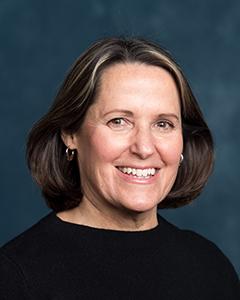
Sarah Lane
VerifiedUniversity of Michigan · Systems, Populations and Leadership
Active 1989–2025
Research topics
- Medicine
- Psychology
- Gerontology
- Clinical psychology
- Physical therapy
Selected publications
Journal of Pain · 2025-04-01
articleJournal of Doctoral Nursing Practice · 2025-04-25
articleJournal of Clinical and Translational Science · 2025-03-25
articleOpen accessObjectives/Goals: To support the growing number of clinical research professionals (CRP) working in behavioral and social science contexts, relevant formative assessments of research skills are needed. This study examines the development of an objective formative assessment designed to assess skills relevant to conducting social and behavioral research. Methods/Study Population: A multidisciplinary group at the University of Michigan was convened to develop the assessment. Case studies depicting clinical and translational research conducted in behavioral and social science contexts were used to measure proficiency in seven of the eight ECRPTQ competencies: Scientific Concepts & Research Design, Ethical & Participant Safety Concerns, Clinical Trial Operations (Good Clinical Practice), Study & Site Management, Data Management & Informatics, Leadership & Professionalism, Communication, and Teamwork & Team Science. Three difficulty levels of questions were developed: basic, intermediate, and advanced. To reinforce knowledge and skill development, the assessment was designed to give respondents formative feedback after responding to each question. Results/Anticipated Results: A preliminary “pre-pilot” test was conducted with three postdoctoral scholars to ensure that the assessment items were understandable. The assessment was then pilot tested with a larger group of 40 clinical research professionals (CRP) to test for the clarity and difficulty level of the items. A smaller group of 20 of these CRPs agreed to participate in focus groups to obtain feedback on their user experience. Data regarding years of experience as a CRP, types of studies engaged with, and information regarding professional certification were collected and used in the analyses. Demographic data collected were not connected to user responses. Results of the pilot test and focus groups were used to revise the questions on the final version of the assessment. Discussion/Significance of Impact: To our knowledge, this is the first objective assessment of research skills for CRP working in behavioral and social science contexts. We will discuss how other institutions can use this instrument to evaluate the training needs of their social and behavioral research workforce.
International Journal of Environmental Research and Public Health · 2025-09-03 · 1 citations
articleOpen accessSenior authorUnderstanding the factors that influence the mental health of family caregivers is essential. This study examines the impact of caregiving intensity, operationalized as caregiving hours, on depressive symptoms, with a focus on racial differences and gender effects. We analyzed data from n = 2112 unique spousal caregivers across 6622 person-years of observations from the Health and Retirement Study (HRS) longitudinal data (2008–2014). We estimated the impact of caregiving hours on depressive symptoms, controlling for race, gender, and education. Random intercepts accounted for household-level variance. We assessed interaction terms to evaluate differential effects across racial groups. Depressive symptoms were positively associated with caregiving hours β = 1.74, SE = 0.24, suggesting that increasing caregiving hours is likely to lead to emotional distress. We observed a significant negative interaction effect among African American caregivers (β = −1.25, p = 0.013), indicating that increased caregiving hours led to a reduction in depressive symptoms. Gender was not significantly associated with caregiving hours (β = −0.36, p = 0.715). The random effects model demonstrated substantial household-level variation (var(_cons) = 266.07, p < 0.0001). Findings highlight racial differences in the effects of caregiving hours on depressive symptoms and point to the importance of culturally responsive interventions designed to mitigate depressive symptoms among caregivers. Future research should explore protective factors that mitigate psychological distress and promote resilience.
Trials · 2025-06-02
articleOpen accessBACKGROUND: Older adults in disadvantaged urban communities contend with chronic psychosocial and environmental stressors that contribute to high levels of chronic pain-related disability. African American older adults are especially at risk due to the health-damaging effects of structural racism. The purpose of this study is to test the efficacy of a chronic pain self-management intervention tailored for this context. STEPS (Seniors using Technology to Engage in Pain Self-management) is a community health worker (CHW)-led chronic pain self-management program designed for older adults living in underserved communities. It is a 7-week intervention that includes (a) brief videos presenting pain self-management skills; (b) weekly telephone calls with a CHW to support the practice of new skills and goal setting; and (c) tracking daily step counts using a wearable activity tracker. CHWs also screen for social needs and make appropriate community referrals. METHODS: We will randomly assign 414 participants to the STEPS intervention or a control condition in a 1:1 ratio, stratifying by gender and age group. We hypothesize that participants in the STEPS intervention will have greater improvements in pain interference and pain intensity, and a more positive Global Impression of Change immediately following the intervention and at 12 months from baseline. Control group members are invited to attend a workshop covering key intervention content after the final data collection point. DISCUSSION: Growing evidence supports the effectiveness of CHWs as culturally sensitive liaisons between healthcare systems and underserved communities. If the STEPS program is shown to significantly improve pain-related outcomes, STEPS could be integrated into healthcare systems to more comprehensively treat chronic pain while reducing barriers to care and promoting non-pharmacological pain management strategies. TRIAL REGISTRATION: ClinicalTrials.gov, NCT05278234. Registered on March 3, 2022.
Innovation in Aging · 2024-12-01
articleOpen accessAbstract The COVID-19 pandemic sharply curtailed social activity among older adults. In Detroit, an underserved area impacted by structural inequities, older adults were at particularly high risk for social isolation, given the digital divide and prolonged closures of senior and community centers. While daily life has now mostly normalized, little is known about the extent to which older adults have re-engaged in social activities following the lengthy disruption. We examined baseline data collected in 2023-24 from an ongoing randomized controlled trial in Detroit of the RESET intervention (Re-Engaging in Self-care, Enjoying Today). Participants rated their level of 1) loneliness and 2) social activity compared to pre-pandemic (1=much lower to 5=much higher). The sample (N=213) was 91% female and 85% African American, mean age 68 years (range 50 to 90), and 54% lived alone. Almost half (46.0%%) of the sample reported that their current social activity level was much lower or lower than pre-pandemic, and 34.8% that their loneliness level was much higher or higher. No significant differences were found by age group (under 65 vs 65+) or living alone vs. with others. We then examined open-ended responses to a question about continued pandemic impact. Major themes were: ongoing fear of COVID-19 infection, caution about gatherings/crowds, and persistent mood problems. These data show that for some older adults, the pandemic continues to have adverse effects on social activity and loneliness. Targeted interventions that address and accommodate older adults’ ongoing COVID-19 concerns may be needed to boost social functioning in this group.
Journal of Family Nursing · 2024-10-20 · 6 citations
articleOpen access1st authorCorrespondingBlack family caregivers of persons with dementia experience high levels of stress that can negatively affect caregiver health outcomes and reduce caregiving capacity. However, Black caregivers tend to report low levels depressive symptoms or other negative health effects. This qualitative descriptive study aimed to identify factors that contribute to resilience among Black family caregivers. Using the rigorous and accelerated data reduction (RADaR) technique to complete thematic analysis, a team of five coders examined transcript data from three focus groups of Black current and former family caregivers ( n = 17) of persons with dementia. We identified three primary factors that contributed to caregiver resilience including access to supportive environments, adaptability, and planning skills. Caregiver resistance to reporting depressive symptoms may be attributed to the strong Black woman schema. Findings from this study may be used to develop future culturally responsive interventions that support caregivers and promote family health.
Innovation in Aging · 2024-12-01
articleOpen accessSenior authorAbstract In this qualitative study, we delve into the factors influencing community support services (CSS) utilization, including respite care and support groups. We conducted focus group discussions to uncover the barriers and facilitators that lead individuals to engage with or abstain from these services. Analyzing these factors will provide insights to enhance the effectiveness of CSS and its impact on the community. Our focus group involved six current or former Black family caregivers of persons with dementia (PWD). The virtual meeting, lasting approximately 1.5 hours, collected information on community support use, dementia care knowledge, and self-care practices. Transcriptions were thematically analyzed using the Rigorous and Accelerated Data Reduction (RaDAR) method—a team-based strategy to extract relevant data for specific project deliverables. Four key themes emerged to aid caregivers in managing their responsibilities: Education on Dementia Stages: Understanding different stages of dementia helps caregivers effectively manage challenging behaviors. Empowerment through Dementia Subtypes: Knowledge of various dementia subtypes enables caregivers to seek support groups for guidance. Respite Care Access: Learning about and accessing respite care prevents burnout and promotes well-being. Emotional Support: Addressing guilt provides emotional well-being for caregivers. As the older adult population grows, dementia caregiving becomes a critical public health issue. Family members caring for PWD in the community face significant challenges, emphasizing the importance of effective support services.
Journal of the American Geriatrics Society · 2024-05-18 · 8 citations
articleOpen accessINTRODUCTION: Advance care planning (ACP) aims to ensure that patients receive goal-concordant care (GCC), which is especially important for racially or ethnically minoritized populations at greater risk of poor end-of-life outcomes. However, few studies have evaluated the impact of advance directives (i.e., formal ACP) or goals-of-care conversations (i.e., informal ACP) on such care. This study aimed to examine the relationship between each of formal and informal ACP and goal-concordant end-of-life care among older Americans and to determine whether their impact differed between individuals identified as White, Black, or Hispanic. METHODS: We conducted a retrospective cohort study using 2012-2018 data from the biennial Health and Retirement Study. We examined the relationships of interest using two, separate multivariable logistic regression models. Model 1 regressed a proxy report of GCC on formal and informal ACP and sociodemographic and health-related covariates. Model 2 added interaction terms between race/ethnicity and the two types of ACP. RESULTS: Our sample included 2048 older adults. There were differences in the proportions of White, Black, and Hispanic decedents who received GCC (83.1%, 75.3%, and 71.3%, respectively, p < 0.001) and in the use of each type of ACP by racial/ethnic group. In model 1, informal compared with no informal ACP was associated with higher odds of GCC (adjusted odds ratio = 1.38 [95% confidence interval, 1.05-1.82]). In model 2, Black decedents who had formal ACP were more likely to receive GCC than those who did not, but there were no statistically significant differences between decedents of different racial/ethnic groups who had no ACP, informal ACP only, or both types of ACP. CONCLUSIONS: Our results build on previous work by indicating the importance of incorporating goals-of-care conversations into routine healthcare for older adults and encouraging ACP usage among racially and ethnically minoritized populations who use ACP tools at lower rates.
Missing at Random or Not?: Evidence on Pain in Black Older Adults With Dementia and Their Caregivers
Research in Gerontological Nursing · 2024-07-01 · 1 citations
editorialOpen accessEvidence on Pain in Black Older Adults With Dementia and Their CaregiversIn statistical analysis, examining whether data are missing at random is customary.When examining missing perspectives and research evidence from the literature, we should follow a similar approach, especially for minoritized groups, such as Black older adults who are disproportionately burdened by increasing rates of dementia and severe chronic pain.Lack of intersectional research in Black populations in the fi eld of pain has been characterized using the 3Ms: missing information, missed information, and misinformation (Booker et al., 2023).A fourth M, missingness, is added to this framework and refers to patterns of missing data or absent information (Table A, available in the online version of this article).Critical questions to consider are: What do we know about pain assessment and treatment in Black older adults with dementia?and What is needed to address these missing pieces?
Frequent coauthors
- 22 shared
Florence Johnson
University of Michigan–Ann Arbor
- 21 shared
Mary R. Janevic
- 20 shared
Amanda Leggett
Wayne State University
- 18 shared
Susan L. Murphy
University of Michigan–Ann Arbor
- 16 shared
Stephen E. Fremes
Health Sciences Centre
- 16 shared
C. David Mazer
St. Michael's Hospital
- 16 shared
Georges‐Étienne Rivard
Centre Hospitalier Universitaire Sainte-Justine
- 16 shared
M.‐C. Poon
University of Calgary
Education
- 2016
Advanced Rehabilitation Research Training Fellowship , Physical Medicine and Rehabilitation
University of Michigan
- 2015
PhD, Nursing
Wayne State University
- 2008
MSN, Nursing
University of Phoenix
- 2008
MHA, Health Administration
University of Phoenix
- 2003
BSN, Nursing
University of Wisconsin–Oshkosh
- Resume-aware match score
- Save to shortlist
- AI-drafted outreach
See your match with Sarah Lane
PhdFit ranks faculty by your research interests, methods, and publications — grounded in their actual work, not templates.
- Free to start
- No credit card
- 30-second signup