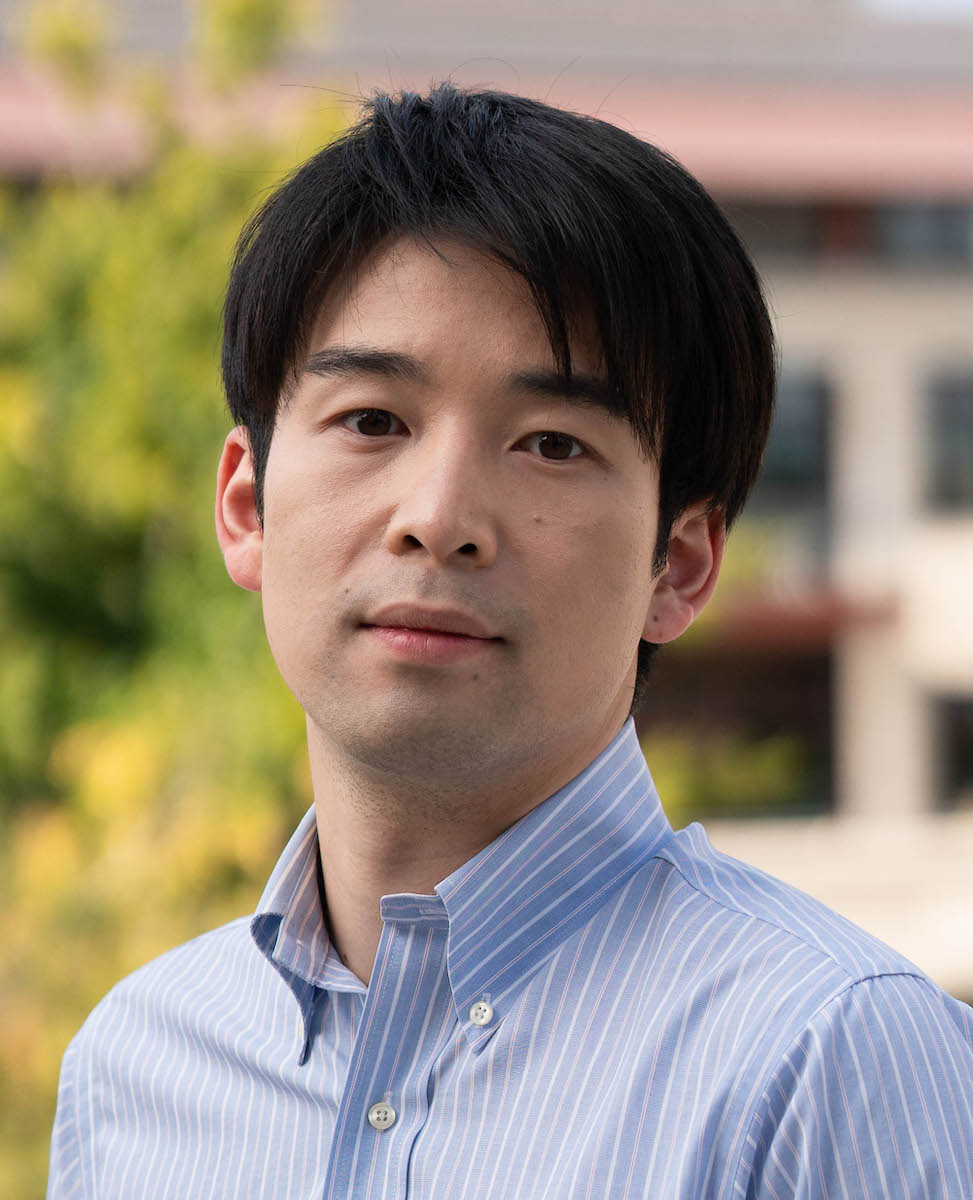
Guanting Chen
· Assistant ProfessorVerifiedUniversity of North Carolina at Chapel Hill · Statistics
Active 2004–2025
About
Guanting Chen is an Assistant Professor at the University of North Carolina at Chapel Hill, affiliated with the Department of Statistics & Operations Research. He holds a B.S. in Mathematics from the University of Michigan at Ann Arbor, obtained in 2016, and a Ph.D. in Computational and Mathematical Engineering from Stanford University, completed in 2022. His research interests lie at the intersection of sequential decision making, stochastic modeling, and optimization. He designs and analyzes algorithms with a focus on understanding how an agent interacting with an unknown environment can learn over time to make better decisions. Additionally, he is interested in machine learning and its applications in sustainability and finance.
Research topics
- Artificial Intelligence
- Composite material
- Computer Science
- Materials science
- Metallurgy
- Remote sensing
- Geology
- Nanotechnology
- Geography
- Engineering
- Computer vision
Selected publications
Understanding the Impact of Sampling Quality in Direct Preference Optimization
ArXiv.org · 2025-06-03
preprintOpen accessSenior authorWe study how data of higher quality can be leveraged to improve performance in Direct Preference Optimization (DPO), aiming to understand its impact on DPO training dynamics. Our analyses show that both the solution space and the convergence behavior of DPO depend on the support and quality of the data-generating distribution. We first analyze how data and reference policy influence policy updates during gradient descent, and how a practical phenomenon known as likelihood displacement can interfere with the desired dynamics. We then design a simplified yet well-structured alignment model as a proxy that preserves most of the beneficial properties of RLHF while avoiding likelihood displacement. Based on this model, we develop quantitative results showing how more frequent high-quality responses amplify the gradient signal and improve the optimization landscape, leading to more effective policy learning. Our theoretical findings are supported by empirical experiments and provide a principled justification for the online DPO framework in practice.
Boosting drought resilience in rice: the priming effects of zaxinone and its mimics
2025-07-14
preprintOpen accessClimate change increasingly threatens global agriculture, with drought emerging as a major constraint on crop productivity. Plants activate complex adaptive responses, involving genetic, physiological, and hormonal networks, to cope with water deficit. Among these, carotenoid-derived phytohormones, abscisic acid (ABA), and strigolactones (SLs) regulate drought responses through modulation of stomatal conductance, antioxidant defenses, and hormonal crosstalk. Zaxinone, an apocarotenoid metabolite, and its synthetic analogs MiZax3 and MiZax5 have recently emerged as plant growth regulators and SL biosynthesis inhibitors in rice. This study investigates the effects of zaxinone and its mimics on rice drought encompassing morphometric, ecophysiological, biochemical, and molecular analysis. Exogenous treatment prior to the water deficit revealed compound-specific effects, in an organ-specific manner, on stomatal conductance ( g s ), transpiration rate ( E ), and stem water potential ( Ψstem ). We also observed differential ABA and zaxinone content and transcriptional regulation of stress-related genes across water regimes. Notably, MiZax5 treatment maintained higher Ψstem and modulated stress-responsive gene expression at the end of drought, suggesting improved osmotic adjustment and enhanced stress resilience. Our results highlight the potential of zaxinone-based compounds as promising biostimulants capable of priming rice for improved drought resilience, offering a sustainable approach to boost crop performance under abiotic stress.
Rich vacancy-hosted-nitrogen sites on ZIF-derived porous carbon for enhanced humidity sensing
Chemical Engineering Journal · 2025-01-08 · 5 citations
articleEpigenomics · 2025-08-21
articleOpen access1st authorBACKGROUND: Chronickidney disease (CKD) is a major global health burden lacking effectivetherapies. Renal interstitial fibrosis (RIF) is a key pathological driver ofCKD progression. This study aimed to identify novel diagnostic biomarkers and therapeutictargets. RESEARCH DESIGN AND METHODS: Weanalyzed the GEO dataset GSE137570 to identify differentially expressed genes(DEGs). Protein-protein interaction (PPI) networks were constructed to screen HubGenes. A competing endogenous RNA (ceRNA) network was predicted. Validationincluded single-cell sequencing, in vitro epithelial-mesenchymal transition(EMT) models using Transforming growth factor-β 1 (TGF-β1)-treated TCMK1 cells,clinical samples (64 CKD patients, 20 healthy controls), and dual-luciferasereporter assays (DLRA). RESULTS: FiveHub Genes (EGF, VCAN, CXCL1, MMP7, CCL2) were identified, with CCL2 being themost central. Enrichment analyses linked them to immune/inflammatory responses.DLRA confirmed specific targeting between miR-124-3p and both NEAT1 and CCL2,supporting the NEAT1/miR-124-3p/CCL2 axis. Clinically, serum CCL2 increasedwhile miR-124-3p and NEAT1 decreased with CKD progression; all three showedgood diagnostic accuracy for staging. CONCLUSIONS: EGF,VCAN, CXCL1, MMP7, and particularly CCL2 are potential CKDbiomarkers/therapeutic targets. The NEAT1/miR-124-3p/CCL2 axis is a keyregulatory pathway in CKD. Key limitations include the moderate sample sizes inbioinformatics and clinical cohorts.
Journal of Translational Medicine · 2025-07-01
articleOpen accessBACKGROUND: Direct-acting antiviral (DAA) therapy for chronic hepatitis C (CHC) achieves high sustained virologic response (SVR) rates; however, hepatocellular carcinoma (HCC) can still develop after viral eradication. Reliable biomarkers for predicting the post-SVR HCC risk are lacking. This study aimed to identify baseline serum extracellular vesicle microRNAs (EV-miRNAs) associated with HCC development following SVR. MATERIALS AND METHODS: Eleven CHC patients who achieved SVR were retrospectively enrolled as a discovery cohort to identify candidate EV-miRNAs at SVR12 predictive of future HCC. An independent validation cohort of 89 CHC patients was also analyzed. HCC development was defined as the occurrence of HCC at ≥ 12 months after SVR. EV-miRNA profiles were assessed by small RNA sequencing and validated using a miRNA enzyme immunoassay (miREIA). RESULTS: In the discovery cohort, four EV-miRNAs (EV-miR-1-3p, EV-miR-148a-3p, EV-miR-223-3p, and EV-miR-4433b-5p) were significantly different between patients who later developed HCC and those who remained HCC-free at SVR12. In the 89-patient validation cohort, 51 (57.3%) developed HCC with a median disease-free survival (DFS) of 23.1 months, and 12 (13.5%) patients died during a median follow-up of 77 months. High baseline EV-miR-1-3p and EV-miR-148a-3p levels and low EV-miR-4433b-5p were associated with remaining HCC-free. Elevated EV-miR-1-3p and EV-miR-148a-3p levels were also correlated with longer DFS (p < 0.05). In multivariate analysis, EV-miR-1-3p was the only independent predictor of longer DFS (adjusted hazard ratio [HR] 0.459, p = 0.014) and improved overall survival (OS) (adjusted HR 0.390, p = 0.016) after SVR12. Among all biomarkers evaluated, baseline EV-miR-1-3p demonstrated the highest predictive accuracy for HCC occurrence (area under the curve [AUC] 0.843, vs. 0.769 for alpha-fetoprotein [AFP] and 0.755 for FIB-4; p < 0.001) and for OS (AUC 0.876, vs. 0.480 for AFP and 0.655 for FIB-4; p < 0.001). Furthermore, patients with high EV-miR-1-3p levels showed higher platelet counts and albumin, and a lower proportion with FIB-4 ≥ 3.25, suggesting that high EV-miR-1-3p reflects better preserved liver function and less advanced fibrosis. CONCLUSIONS: Baseline serum EV-miR-1-3p serves as a protective biomarker for stratifying HCC risk and predicting survival in CHC patients after HCV eradication via DAA therapy.
Collaborative Prediction: To Join or To Disjoin Datasets
ArXiv.org · 2025-06-12
preprintOpen accessSenior authorWith the recent rise of generative Artificial Intelligence (AI), the need of selecting high-quality dataset to improve machine learning models has garnered increasing attention. However, some part of this topic remains underexplored, even for simple prediction models. In this work, we study the problem of developing practical algorithms that select appropriate dataset to minimize population loss of our prediction model with high probability. Broadly speaking, we investigate when datasets from different sources can be effectively merged to enhance the predictive model's performance, and propose a practical algorithm with theoretical guarantees. By leveraging an oracle inequality and data-driven estimators, the algorithm reduces population loss with high probability. Numerical experiments demonstrate its effectiveness in both standard linear regression and broader machine learning applications. Code is available at https://github.com/kkrokii/collaborative_prediction.
Forests · 2025-07-16
articleOpen accessRoot reinforcement in soil plays a critical role in maintaining forest slope stability. However, accurately estimating the reinforcement provided by the entire root system of a mature tree remains a time-intensive task. Previous experimental studies on root reinforcement have predominantly focused on small trees, leaving a knowledge gap concerning larger specimens. This study integrates field pullout test data of individual roots, analyses of root geometry distribution within root systems, and theoretical frameworks, including root distribution and Root Bundle Models, to develop methods for estimating root reinforcement across varying tree sizes. The findings indicate that root system reinforcement in large trees is substantially greater than in smaller counterparts. The methodology proposed herein provides forest management professionals with a practical tool for evaluating root reinforcement in dominant forest trees, thereby facilitating improved assessment of landslide risks in forested slopes.
In-Context Curiosity: Distilling Exploration for Decision-Pretrained Transformers on Bandit Tasks
ArXiv.org · 2025-09-30
preprintOpen accessSenior authorAs large language models (LLMs) continue to grow in capability, there is increasing interest in incorporating them into decision-making tasks. A common pipeline for this is Decision-Pretrained Transformers (DPTs). However, existing training methods for DPTs often struggle to generalize beyond their pretraining data distribution. To explore mitigation of this limitation, we propose in-context curiosity -- a lightweight, exploration-inspired regularizer for offline pretraining -- and introduce the Prediction-Powered Transformer (PPT) framework. PPT augments DPT with an auxiliary reward predictor, using prediction error as an intrinsic curiosity signal to encourage broader exploration during training. In proof-of-concept experiments on Gaussian multi-armed bandits, PPT shows improved robustness: it moderates the performance degradation observed in DPT when test environments exhibit higher variance in reward, particularly when pretraining data has limited diversity. While the quality of offline data remain fundamental, our preliminary results suggest that curiosity-driven pretraining offers a promising direction for enhancing out-of-distribution generalization in in-context RL agents.
PubMed · 2025-11-01
articleAs the primary excretory organ responsible for maintaining internal homeostasis, renal dysfunction constitutes the pathological foundation of kidney injury. Renal cells are rich in endoplasmic reticulum(ER) structures, making endoplasmic reticulum stress(ERS) a central mechanism in regulating renal homeostasis. Numerous studies have revealed that aberrant activation of ERS leads to abnormal programmed cell death(PCD) in intrinsic renal cells and is closely associated with the progression of various kidney diseases. Consequently, suppressing ERS has emerged as a promising therapeutic direction in renal disease research. TCM offers wide clinical applicability and demonstrates advantages such as multi-target regulation, efficacy enhancement, and toxicity reduction. Accumulating research demonstrates that TCM ameliorates pathological renal damage by modulating ERS in kidney cells, thereby attenuating disease progression. Based on the regulatory mechanisms of ERS signaling pathways, this review focuses on the mechanistic actions of TCM in modulating ERS and its downstream PCD. It summarizes current evidence on the roles of Chinese herbal monomers and compound formulas for treating acute kidney injury(AKI), renal interstitial fibrosis(RIF), and diabetic kidney disease(DKD) by targeting ERS, aiming to provide novel perspectives for innovative clinical prevention and treatment strategies in renal diseases.
OMGPT: A Sequence Modeling Framework for Data-driven Operational Decision Making
ArXiv.org · 2025-05-19
preprintOpen accessWe build a Generative Pre-trained Transformer (GPT) model from scratch to solve sequential decision making tasks arising in contexts of operations research and management science which we call OMGPT. We first propose a general sequence modeling framework to cover several operational decision making tasks as special cases, such as dynamic pricing, inventory management, resource allocation, and queueing control. Under the framework, all these tasks can be viewed as a sequential prediction problem where the goal is to predict the optimal future action given all the historical information. Then we train a transformer-based neural network model (OMGPT) as a natural and powerful architecture for sequential modeling. This marks a paradigm shift compared to the existing methods for these OR/OM tasks in that (i) the OMGPT model can take advantage of the huge amount of pre-trained data; (ii) when tackling these problems, OMGPT does not assume any analytical model structure and enables a direct and rich mapping from the history to the future actions. Either of these two aspects, to the best of our knowledge, is not achieved by any existing method. We establish a Bayesian perspective to theoretically understand the working mechanism of the OMGPT on these tasks, which relates its performance with the pre-training task diversity and the divergence between the testing task and pre-training tasks. Numerically, we observe a surprising performance of the proposed model across all the above tasks.
Frequent coauthors
- 9 shared
Xiaocheng Li
Peking University
- 6 shared
Yinyu Ye
- 5 shared
Jen‐Inn Chyi
- 4 shared
F. Ren
- 3 shared
Kay Giesecke
Stanford University
- 3 shared
Chang‐Chi Pan
- 2 shared
Jen‐Inn Chyi
National Central University
- 2 shared
Kai Dong
- Resume-aware match score
- Save to shortlist
- AI-drafted outreach
See your match with Guanting Chen
PhdFit ranks faculty by your research interests, methods, and publications — grounded in their actual work, not templates.
- Free to start
- No credit card
- 30-second signup