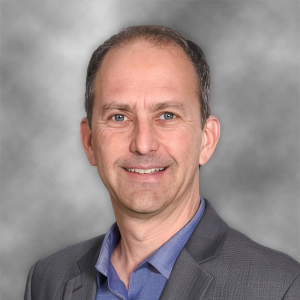
David Fruman
· Associate Director, Basic ScienceUniversity of California, Irvine · Radiation Oncology
Active 1991–2024
Research topics
- Political Science
- Cell biology
- Biology
- Immunology
- Medical education
- Pharmacology
- Genetics
- Neuroscience
- Biochemistry
- Medicine
- Chemistry
- Public relations
Selected publications
Nucleic Acids Research · 2023 · 25 citations
- Biology
- Cell biology
- Pharmacology
Inefficient endosomal escape remains the primary barrier to the broad application of oligonucleotide therapeutics. Liver uptake after systemic administration is sufficiently robust that a therapeutic effect can be achieved but targeting extrahepatic tissues remains challenging. Prior attempts to improve oligonucleotide activity using small molecules that increase the leakiness of endosomes have failed due to unacceptable toxicity. Here, we show that the well-tolerated and orally bioavailable synthetic sphingolipid analog, SH-BC-893, increases the activity of antisense oligonucleotides (ASOs) and small interfering RNAs (siRNAs) up to 200-fold in vitro without permeabilizing endosomes. SH-BC-893 treatment trapped endocytosed oligonucleotides within extra-lysosomal compartments thought to be more permeable due to frequent membrane fission and fusion events. Simultaneous disruption of ARF6-dependent endocytic recycling and PIKfyve-dependent lysosomal fusion was necessary and sufficient for SH-BC-893 to increase non-lysosomal oligonucleotide levels and enhance their activity. In mice, oral administration of SH-BC-893 increased ASO potency in the liver by 15-fold without toxicity. More importantly, SH-BC-893 enabled target RNA knockdown in the CNS and lungs of mice treated subcutaneously with cholesterol-functionalized duplexed oligonucleotides or unmodified ASOs, respectively. Together, these results establish the feasibility of using a small molecule that disrupts endolysosomal trafficking to improve the activity of oligonucleotides in extrahepatic tissues.
PLoS Biology · 2021 · 31 citations
- Political Science
- Medical education
- Public relations
PhD-trained scientists are essential contributors to the workforce in diverse employment sectors that include academia, industry, government, and nonprofit organizations. Hence, best practices for training the future biomedical workforce are of national concern. Complementing coursework and laboratory research training, many institutions now offer professional training that enables career exploration and develops a broad set of skills critical to various career paths. The National Institutes of Health (NIH) funded academic institutions to design innovative programming to enable this professional development through a mechanism known as Broadening Experiences in Scientific Training (BEST). Programming at the NIH BEST awardee institutions included career panels, skill-building workshops, job search workshops, site visits, and internships. Because doctoral training is lengthy and requires focused attention on dissertation research, an initial concern was that students participating in additional complementary training activities might exhibit an increased time to degree or diminished research productivity. Metrics were analyzed from 10 NIH BEST awardee institutions to address this concern, using time to degree and publication records as measures of efficiency and productivity. Comparing doctoral students who participated to those who did not, results revealed that across these diverse academic institutions, there were no differences in time to degree or manuscript output. Our findings support the policy that doctoral students should participate in career and professional development opportunities that are intended to prepare them for a variety of diverse and important careers in the workforce.
YAP-mediated mechanotransduction tunes the macrophage inflammatory response
Science Advances · 2020 · 286 citations
- Cell biology
- Immunology
- Biology
Macrophages are innate immune cells that adhere to the extracellular matrix within tissues. However, how matrix properties regulate their function remains poorly understood. Here, we report that the adhesive microenvironment tunes the macrophage inflammatory response through the transcriptional coactivator YAP. We find that adhesion to soft hydrogels reduces inflammation when compared to adhesion on stiff materials and is associated with reduced YAP expression and nuclear localization. Substrate stiffness and cytoskeletal polymerization, but not adhesive confinement nor contractility, regulate YAP localization. Furthermore, depletion of YAP inhibits macrophage inflammation, whereas overexpression of active YAP increases inflammation. Last, we show in vivo that soft materials reduce expression of inflammatory markers and YAP in surrounding macrophages when compared to stiff materials. Together, our studies identify YAP as a key molecule for controlling inflammation and sensing stiffness in macrophages and may have broad implications in the regulation of macrophages in health and disease.
Recent grants
NIH · $1.5M · 2018
NIH · $459k · 2018
A Training Program for Interdisciplinary Cancer Research
NIH · $10.7M · 1980–2027
NIH · $143k · 2012
A Training Program for Interdisciplinary Cancer Research
NIH · $388k · 1980–2020
Frequent coauthors
- 83 shared
Lewis C. Cantley
Dana-Farber Cancer Institute
- 82 shared
Sharmila Mallya
University of California, Irvine
- 73 shared
Roberta Buono
- 69 shared
Dennis Juarez
University of California, Irvine
- 66 shared
Madhuri Paul
University of Bonn
- 63 shared
Lawrence Boise
- 63 shared
Grace Diep
- 63 shared
Vikas A. Gupta
Emory University
- Resume-aware match score
- Save to shortlist
- AI-drafted outreach
See your match with David Fruman
PhdFit ranks faculty by your research interests, methods, and publications — grounded in their actual work, not templates.
- Free to start
- No credit card
- 30-second signup