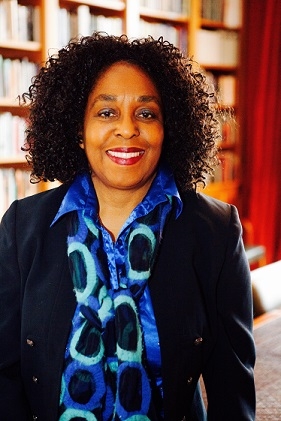
Brenda E. Stevenson
· Distinguished Professor & Nickoll Family Endowed Chair in History & African American StudiesUniversity of California, Los Angeles · African American Studies
Active 1988–2023
About
Brenda Elaine Stevenson is a social historian whose work centers on gender, race, family and social conflict in America and the Atlantic World from the colonial period through the late 20th century. She is particularly known for her research on the enslaved and free black community and family life in the southern United States.
Research topics
- Sociology
- Humanities
- Political Science
- Geography
- Demography
- Economic history
- Ethnology
- Law
- Archaeology
- Art
- Genealogy
- History
- Gender studies
Selected publications
Rowman & Littlefield Publishers eBooks · 2023-01-01
book-chapterOpen access1st authorCorrespondingThe legacy of the slave family haunts the status of black Americans in modern U.S. society. Stereotypes that first entered the popular imagination in the form of plantation lore have continued to distort the African American social identity. In What Sorrows Labour in My Parents' Breast?, Brenda Stevenson provides a long overdue concise history to help the reader understand this vitally important African American institution as it evolved and survived under the extreme opposition that the institution of slavery imposed. The themes of this work center on the multifaceted reality of loss, recovery, resilience and resistance embedded in the desire of African/African descended people to experience family life despite their enslavement. These themes look back to the critical loss that Africans, both those taken and those who remained, endured, as the enslaved poet Phillis Wheatley honors in the line—"What sorrows labour in my parents' breast?," and look forward to the generations of slaves born through the Civil War era who struggled to realize their humanity in the recreation of family ties that tied them, through blood and emotion, to a reality beyond their legal bondage to masters and mistresses. Stevenson pays particular attention to the ways in which gender, generation, location, slave labor, the economic status of slaveholders and slave societies' laws affected the black family in slavery.
Rowman & Littlefield Publishers eBooks · 2023-01-01
book-chapter1st authorCorrespondingThe legacy of the slave family haunts the status of black Americans in modern U.S. society. Stereotypes that first entered the popular imagination in the form of plantation lore have continued to distort the African American social identity. In What Sorrows Labour in My Parents' Breast?, Brenda Stevenson provides a long overdue concise history to help the reader understand this vitally important African American institution as it evolved and survived under the extreme opposition that the institution of slavery imposed. The themes of this work center on the multifaceted reality of loss, recovery, resilience and resistance embedded in the desire of African/African descended people to experience family life despite their enslavement. These themes look back to the critical loss that Africans, both those taken and those who remained, endured, as the enslaved poet Phillis Wheatley honors in the line—"What sorrows labour in my parents' breast?," and look forward to the generations of slaves born through the Civil War era who struggled to realize their humanity in the recreation of family ties that tied them, through blood and emotion, to a reality beyond their legal bondage to masters and mistresses. Stevenson pays particular attention to the ways in which gender, generation, location, slave labor, the economic status of slaveholders and slave societies' laws affected the black family in slavery.
Appendix A: Godfrey Family Units
Rowman & Littlefield Publishers eBooks · 2023-01-01
book-chapter1st authorCorrespondingThe legacy of the slave family haunts the status of black Americans in modern U.S. society. Stereotypes that first entered the popular imagination in the form of plantation lore have continued to distort the African American social identity. In What Sorrows Labour in My Parents' Breast?, Brenda Stevenson provides a long overdue concise history to help the reader understand this vitally important African American institution as it evolved and survived under the extreme opposition that the institution of slavery imposed. The themes of this work center on the multifaceted reality of loss, recovery, resilience and resistance embedded in the desire of African/African descended people to experience family life despite their enslavement. These themes look back to the critical loss that Africans, both those taken and those who remained, endured, as the enslaved poet Phillis Wheatley honors in the line—"What sorrows labour in my parents' breast?," and look forward to the generations of slaves born through the Civil War era who struggled to realize their humanity in the recreation of family ties that tied them, through blood and emotion, to a reality beyond their legal bondage to masters and mistresses. Stevenson pays particular attention to the ways in which gender, generation, location, slave labor, the economic status of slaveholders and slave societies' laws affected the black family in slavery.
Rowman & Littlefield Publishers eBooks · 2023-01-01
book-chapter1st authorCorrespondingThe legacy of the slave family haunts the status of black Americans in modern U.S. society. Stereotypes that first entered the popular imagination in the form of plantation lore have continued to distort the African American social identity. In What Sorrows Labour in My Parents' Breast?, Brenda Stevenson provides a long overdue concise history to help the reader understand this vitally important African American institution as it evolved and survived under the extreme opposition that the institution of slavery imposed. The themes of this work center on the multifaceted reality of loss, recovery, resilience and resistance embedded in the desire of African/African descended people to experience family life despite their enslavement. These themes look back to the critical loss that Africans, both those taken and those who remained, endured, as the enslaved poet Phillis Wheatley honors in the line—"What sorrows labour in my parents' breast?," and look forward to the generations of slaves born through the Civil War era who struggled to realize their humanity in the recreation of family ties that tied them, through blood and emotion, to a reality beyond their legal bondage to masters and mistresses. Stevenson pays particular attention to the ways in which gender, generation, location, slave labor, the economic status of slaveholders and slave societies' laws affected the black family in slavery.
THE ANTEBELLUM FAMILIAL EXPERIENCE
Rowman & Littlefield Publishers eBooks · 2023
1st authorCorresponding- Sociology
- Sociology
The legacy of the slave family haunts the status of black Americans in modern U.S. society. Stereotypes that first entered the popular imagination in the form of plantation lore have continued to distort the African American social identity. In What Sorrows Labour in My Parents' Breast?, Brenda Stevenson provides a long overdue concise history to help the reader understand this vitally important African American institution as it evolved and survived under the extreme opposition that the institution of slavery imposed. The themes of this work center on the multifaceted reality of loss, recovery, resilience and resistance embedded in the desire of African/African descended people to experience family life despite their enslavement. These themes look back to the critical loss that Africans, both those taken and those who remained, endured, as the enslaved poet Phillis Wheatley honors in the line—"What sorrows labour in my parents' breast?," and look forward to the generations of slaves born through the Civil War era who struggled to realize their humanity in the recreation of family ties that tied them, through blood and emotion, to a reality beyond their legal bondage to masters and mistresses. Stevenson pays particular attention to the ways in which gender, generation, location, slave labor, the economic status of slaveholders and slave societies' laws affected the black family in slavery.
Appendix B: Percentage of Households Per State with Enslaved People, 1860
Rowman & Littlefield Publishers eBooks · 2023-01-01
book-chapter1st authorCorrespondingThe legacy of the slave family haunts the status of black Americans in modern U.S. society. Stereotypes that first entered the popular imagination in the form of plantation lore have continued to distort the African American social identity. In What Sorrows Labour in My Parents' Breast?, Brenda Stevenson provides a long overdue concise history to help the reader understand this vitally important African American institution as it evolved and survived under the extreme opposition that the institution of slavery imposed. The themes of this work center on the multifaceted reality of loss, recovery, resilience and resistance embedded in the desire of African/African descended people to experience family life despite their enslavement. These themes look back to the critical loss that Africans, both those taken and those who remained, endured, as the enslaved poet Phillis Wheatley honors in the line—"What sorrows labour in my parents' breast?," and look forward to the generations of slaves born through the Civil War era who struggled to realize their humanity in the recreation of family ties that tied them, through blood and emotion, to a reality beyond their legal bondage to masters and mistresses. Stevenson pays particular attention to the ways in which gender, generation, location, slave labor, the economic status of slaveholders and slave societies' laws affected the black family in slavery.
What Sorrows Labour in My Parent's Breast?
Rowman & Littlefield Publishers eBooks · 2023-01-01
book1st authorCorrespondingThe legacy of the slave family haunts the status of black Americans in modern U.S. society. Stereotypes that first entered the popular imagination in the form of plantation lore have continued to distort the African American social identity. In What Sorrows Labour in My Parents' Breast?, Brenda Stevenson provides a long overdue concise history to help the reader understand this vitally important African American institution as it evolved and survived under the extreme opposition that the institution of slavery imposed. The themes of this work center on the multifaceted reality of loss, recovery, resilience and resistance embedded in the desire of African/African descended people to experience family life despite their enslavement. These themes look back to the critical loss that Africans, both those taken and those who remained, endured, as the enslaved poet Phillis Wheatley honors in the line—“What sorrows labour in my parents’ breast?,” and look forward to the generations of slaves born through the Civil War era who struggled to realize their humanity in the recreation of family ties that tied them, through blood and emotion, to a reality beyond their legal bondage to masters and mistresses. Stevenson pays particular attention to the ways in which gender, generation, location, slave labor, the economic status of slaveholders and slave societies’ laws affected the black family in slavery.
Rowman & Littlefield Publishers eBooks · 2023-01-01
book-chapterOpen access1st authorCorrespondingThe legacy of the slave family haunts the status of black Americans in modern U.S. society. Stereotypes that first entered the popular imagination in the form of plantation lore have continued to distort the African American social identity. In What Sorrows Labour in My Parents' Breast?, Brenda Stevenson provides a long overdue concise history to help the reader understand this vitally important African American institution as it evolved and survived under the extreme opposition that the institution of slavery imposed. The themes of this work center on the multifaceted reality of loss, recovery, resilience and resistance embedded in the desire of African/African descended people to experience family life despite their enslavement. These themes look back to the critical loss that Africans, both those taken and those who remained, endured, as the enslaved poet Phillis Wheatley honors in the line—"What sorrows labour in my parents' breast?," and look forward to the generations of slaves born through the Civil War era who struggled to realize their humanity in the recreation of family ties that tied them, through blood and emotion, to a reality beyond their legal bondage to masters and mistresses. Stevenson pays particular attention to the ways in which gender, generation, location, slave labor, the economic status of slaveholders and slave societies' laws affected the black family in slavery.
Rowman & Littlefield Publishers eBooks · 2023-01-01
paratext1st authorCorrespondingThe legacy of the slave family haunts the status of black Americans in modern U.S. society. Stereotypes that first entered the popular imagination in the form of plantation lore have continued to distort the African American social identity. In What Sorrows Labour in My Parents' Breast?, Brenda Stevenson provides a long overdue concise history to help the reader understand this vitally important African American institution as it evolved and survived under the extreme opposition that the institution of slavery imposed. The themes of this work center on the multifaceted reality of loss, recovery, resilience and resistance embedded in the desire of African/African descended people to experience family life despite their enslavement. These themes look back to the critical loss that Africans, both those taken and those who remained, endured, as the enslaved poet Phillis Wheatley honors in the line—"What sorrows labour in my parents' breast?," and look forward to the generations of slaves born through the Civil War era who struggled to realize their humanity in the recreation of family ties that tied them, through blood and emotion, to a reality beyond their legal bondage to masters and mistresses. Stevenson pays particular attention to the ways in which gender, generation, location, slave labor, the economic status of slaveholders and slave societies' laws affected the black family in slavery.
Rowman & Littlefield Publishers eBooks · 2023-01-01
book-chapter1st authorCorrespondingThe legacy of the slave family haunts the status of black Americans in modern U.S. society. Stereotypes that first entered the popular imagination in the form of plantation lore have continued to distort the African American social identity. In What Sorrows Labour in My Parents' Breast?, Brenda Stevenson provides a long overdue concise history to help the reader understand this vitally important African American institution as it evolved and survived under the extreme opposition that the institution of slavery imposed. The themes of this work center on the multifaceted reality of loss, recovery, resilience and resistance embedded in the desire of African/African descended people to experience family life despite their enslavement. These themes look back to the critical loss that Africans, both those taken and those who remained, endured, as the enslaved poet Phillis Wheatley honors in the line—"What sorrows labour in my parents' breast?," and look forward to the generations of slaves born through the Civil War era who struggled to realize their humanity in the recreation of family ties that tied them, through blood and emotion, to a reality beyond their legal bondage to masters and mistresses. Stevenson pays particular attention to the ways in which gender, generation, location, slave labor, the economic status of slaveholders and slave societies' laws affected the black family in slavery.
Frequent coauthors
- 4 shared
Carole Pateman
- 1 shared
Kathleen G. Beal
- 1 shared
Ann L. Miller
- 1 shared
Robert McColley
- 1 shared
Adele Logan Alexander
- 1 shared
Jean Fagan Yellin
- 1 shared
Kenneth S. Greenberg
Rogers Behavioral Health
- 1 shared
T. O. Madden
Awards & honors
- Gustavus Myers book prize
- Resume-aware match score
- Save to shortlist
- AI-drafted outreach
See your match with Brenda E. Stevenson
PhdFit ranks faculty by your research interests, methods, and publications — grounded in their actual work, not templates.
- Free to start
- No credit card
- 30-second signup