Resume-aware faculty matching

Find professors who actually fit you

Upload your resume. Four AI agents analyze your background, rank the faculty who fit, inspect their recent research, and help you draft outreach — grounded in their actual work, not templates.

Free to startNo credit cardCancel anytime
Top matches Balanced preset
Dr. Sarah Chen
Stanford · Interpretability · NLP
91
Dr. Marcus Holloway
MIT · Robotics · RL
84
Dr. Aisha Okonkwo
CMU · Fairness · HCI
82
Nova · Professor Researcher · re-ranking top 20…
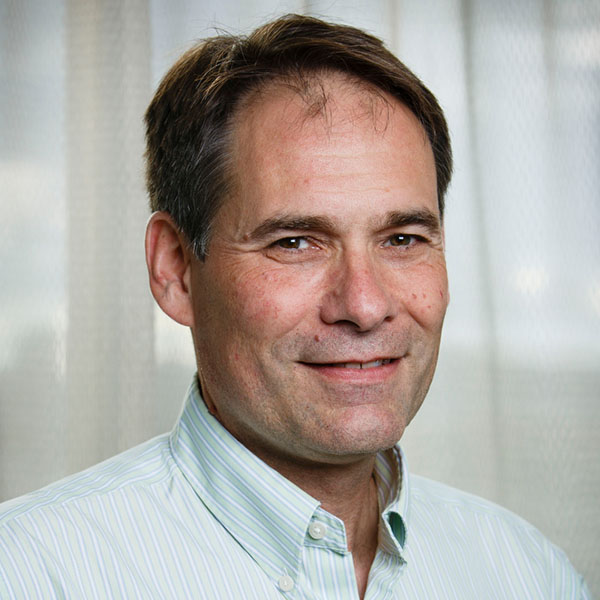
Bruce H. Alexander

Bruce H. Alexander

· Mayo Professor and Division HeadVerified

University of Minnesota · Environmental Health Sciences

Active 1972–2026

h-index51
Citations13.6k
Papers30935 last 5y
Funding$94.2M1 active
See your match with Bruce H. Alexander — sign in to PhdFit.Sign in

About

Bruce H. Alexander, PhD, is an occupational and environmental epidemiologist with research interests in environmental determinants of cancer and respiratory disease, injury prevention and control, One Health, the health of agricultural populations, and global health. He focuses on developing multidisciplinary approaches to address complex public health problems and on building capacity in public health research and practice. Dr. Alexander is the Mayo Professor and Division Head of the Division of Environmental Health Sciences at the School of Public Health, University of Minnesota. His expertise includes occupational and environmental epidemiology, environment and exposures, infectious disease, injuries, occupational health, One Health, global health, and agricultural health. He has been recognized with awards such as the Faculty Excellence Award from the Division of Environmental and Occupational Health at the University of Minnesota and is a member of several professional associations, including the Society for Epidemiologic Research and the International Society for Environmental Epidemiology.

Research topics

  • Medicine
  • Nuclear medicine
  • Internal medicine
  • Medical physics
  • Radiology

Selected publications

  • 100 years of Personal Badge Radiation Doses in a Cohort of U.S. Radiologic Technologists: Expanded and Updated Reconstruction, 1916–2020

    Radiation Research · 2026-01-27

    articleOpen access

    The U.S. Radiologic Technologists (USRT) study investigates cancer and other serious disease risks associated with low-dose occupational radiation exposure. The previous dose system (URDS13) for the full cohort was based on badge dose records through 1997, three self-reported questionnaires administered between 1983 and 2005, and historical estimates from the literature. In this article, we describe an extended (23 additional calendar years, 1998-2020), updated and enhanced dosimetry system for the USRT cohort (URDS25). We incorporated 1,156,584 newly acquired annual badge dose readings (1977-2020) obtained by integrating annual summary data (1977-2011) and monthly badge reading data (2004-2020), bringing the total to 1,416,420 annual badge dose readings (1960-2020) for 81,885 technologists. To enhance the individualization of dose estimates, we also utilized detailed work history and protection practice data from the fourth survey, administered in 2012-2013, along with supplementary work history modules for technologists who performed nuclear medicine and assisted with fluoroscopically guided interventional procedures. Based on all badge readings and work history data collected to date, we re-evaluated the URDS13 badge dose estimates prior to 1997 and reconstructed the estimates from 1998 to 2020, resulting in a total of 3.27 million estimated annual badge doses for 110,374 technologists for the years 1916-2020. Each annual badge dose was reconstructed as a probability distribution using Monte Carlo simulation, generating 1,000 realizations to account for uncertainty in the true dose. Compared to the previous version (URDS13, 1916-1997), this update (URDS25, 1916-2020) resulted in a slight increase in the mean cumulative dose estimates for the entire cohort, from 76 mSv (median: 47 mSv; range: 0.19-3,000 mSv) to 79 mSv (median: 48 mSv; range: 0.12-3,000 mSv), and a mean absolute change of the individual cumulative dose estimates of 26% per technologist. Organ absorbed doses will also be updated based on these revised badge dose estimates and detailed, self-reported work history information and, along with updated follow-up data, will be used in future dose-response analyses to more precisely investigate radiation-associated cancer and non-cancer disease risks.

  • Effects of Job Lock and Work Arrangements on the Incidence of Occupational Injuries to Older Workers in the Health and Retirement Study, 2010–2022

    American Journal of Preventive Medicine · 2026-01-28

    articleOpen access

    INTRODUCTION: Job lock-when older workers cannot retire owing to financial or health insurance needs-is potentially an occupational safety issue. This study explored the longitudinal effect of job lock on work-related injuries to older workers, hypothesizing that job lock increases their injury rates. It then examined how this relationship varies across work arrangements. METHODS: Analysis using 2010-2022 Health and Retirement Study data for workers aged 55-64 years and ≥65 years compared work exposures in each wave with injuries reported in the next wave. Repeated-measures negative binomial regression estimated longitudinal effects of job lock (financial, health insurance, or both) on work-related injuries, exploring effect modification by work arrangements (full time, part time, partly retired, self-employed). Analysis was conducted in 2025. RESULTS: Workers aged 55-64 years overall had 51.8 work-related injuries per 1,000 person-years, compared with 44.3 work-related injuries per 1,000 person-years for workers aged ≥65 years. Among those aged 55-64 years, these rates were 48% higher with job lock for financial reasons (incidence rate ratio=1.48 [95% CI=1.04, 2.13]) and similarly for health insurance reasons. Potentially stronger effects were observed for workers in full time (incidence rate ratio=1.57 [95% CI=1.15, 2.16]) and possibly part-time roles (incidence rate ratio=1.72 [95% CI=0.86, 3.46]). After age 65 years, these data suggest that workers had a 29% higher injury rate from financial job lock (incidence rate ratio=1.29 [95% CI=0.66, 2.51]). CONCLUSIONS: Job lock was associated with higher work-related injury rates, particularly for those in full- or part-time roles before age 65 years. For self-employed, partly retired, or workers aged >65 years, job lock presented less clear injury risk, possibly from differences in job tasks or selection into safer roles. Further research should address mechanisms of job lock to elevate injury risks. Improving access to retirement resources earlier in workers' careers may help to address work-related injuries and economic challenges of aging.

  • Residential ambient ultraviolet B and ultraviolet A and incidence of keratinocyte carcinoma in the nationwide US Radiologic Technologists cohort

    British Journal of Dermatology · 2025-05-29 · 2 citations

    article

    BACKGROUND: Few epidemiological studies have distinguished the effects of solar ultraviolet (UV) radiation (UVR) wavelength, including UVB and UVA, on the risk of basal cell carcinoma (BCC) and squamous cell carcinoma (SCC) of the skin. OBJECTIVES: We aimed to evaluate the association between ambient UVB and UVA exposure and the incidence of BCC and SCC. METHODS: Using data from the nationwide US Radiologic Technologists cohort, satellite-based noontime ambient UVR was obtained based on residential history (< 13, 13-19, 20-39, 40-64, and ≥ 65 years). Incidence rate ratios (IRRs) and 95% confidence intervals (CIs) were estimated for associations between UVB, UVA quintile (Q), and first primary BCC and SCC in mutually adjusted and stratified models, additionally adjusted for sun sensitivity characteristics. RESULTS: There were 62 595 non-Hispanic White participants aged 22-90 years at baseline (1983-1998). During a median 25.5 years of follow-up, 6339 incident BCCs and 1253 incident SCCs were reported. Annual and summer UVB and UVA were each positively associated with both BCC and SCC risk before mutual adjustment. After adjusting for UVA, summer (but not annual) UVB Q5 vs. Q1 was associated with BCC (IRR 1.41, 95% CI 1.13-1.77) and SCC (IRR 1.69, 95% CI 1.01-2.84). After adjusting for UVB, annual (but not summer) UVA Q5 vs. Q1 was associated with BCC (IRR 1.42, 95% CI 1.13-1.77) and SCC (IRR 1.84, 95% CI 1.10-3.06). CONCLUSIONS: Both summer UVB and annual UVA were independently associated with higher risks of both BCC and SCC. Our results suggest that cumulative lifetime UVA exposure may be an underappreciated contributor to BCC and SCC risk. If confirmed, these findings may indicate that public health interventions are required to promote avoidance of excessive UVB and UVA exposure among susceptible populations.

  • Impact of personal sun sensitivity and ultraviolet radiation on the association between blistering sunburns and melanoma

    Journal of the American Academy of Dermatology · 2025-04-25

    articleOpen access
  • Compound drought and heatwave extreme weather events: Mortality risk in individuals with chronic respiratory disease

    Environmental Epidemiology · 2025-05-01 · 6 citations

    articleOpen access

    Background: Compound extreme weather events are severe weather conditions that can jointly magnify human health risks beyond any single event alone. Drought and heatwaves are extreme weather conditions associated with adverse health, but their combined impact is poorly understood. Methods: We designed a case-crossover study to estimate heatwave-associated mortality stratified by drought conditions in 183,725 US Veteran patients (2016-2021) with chronic obstructive pulmonary disease (COPD). A conditional logistic regression with distributed lag models was applied. Droughts were categorized into binary and categorical metrics, and we further explored the timing of heatwaves as a risk factor. Results: Our results indicate that drought amplifies heatwaves with hotter temperatures and longer durations during drought conditions, and the percentage of mortality attributable to heatwaves during drought was 7.41% (95% confidence interval [CI]: 2.91, 12.28) compared with 2.91% (95% CI: 0.00, 4.76) for heatwaves during nondrought conditions. Heatwaves that occurred during drought conditions in the late warm season had a larger association with mortality compared with late-season heatwaves during nondrought conditions, 7.41% (95% CI: 1.96, 13.04) of mortality events and 0.99% (95% CI: -1.01, 3.85) of mortality events attributable to these exposures, respectively. Conclusion: Compound drought and heatwave events trend toward increased mortality risk among patients with COPD and present a growing human health threat under climate change. Existing heat warnings and vulnerability maps may include drought conditions to better capture heat-related public health risks.

  • Medicare Work-Related Injuries

    Journal of Occupational and Environmental Medicine · 2025-02-07 · 1 citations

    article

    OBJECTIVE: Older adults may pay healthcare-related costs for work injuries if Medicare covers claims over workers' compensation (WC). We assessed Medicare enrollee costs after a work-related injury by WC status. METHODS: We longitudinally analyzed Medicare fee-for-service claims (2016-2019) for Medicare enrollees aged 65 years and older with work-related injuries, estimating WC effects on healthcare use and enrollee costs using difference-in-differences and quantile regression models. RESULTS: WC covered at least one Medicare claim for 16% of the 13,039 enrollees with work-related injuries. Over 90 days, mean Medicare out-of-pocket costs were lower with WC ($447) than without ($778). With WC, enrollees owed $1432 at the 90th percentile compared to $2465 without, an adjusted difference of $600 (95% CL, -767, -432). CONCLUSIONS: Although WC covers some costs, Medicare claim billing increases after a work-related injury, often leading to substantial patient expenses.

  • Acute work-related injuries among older adults in the USA on Medicare, 2016–2019: a national longitudinal study

    Injury Prevention · 2025-04-02

    article

    OBJECTIVES: Work-related injuries are only partially captured for older workers in the USA, likely due to low sensitivity of traditional data sources, such as workers' compensation, to capture non-fatal incidents. Using claims from Medicare, the primary health insurance of most US adults after age 65, we identified and described work-related injuries among Medicare enrollees aged 65 years and older. METHODS: We identified injury claims from 2016 to 2019 Medicare inpatient and outpatient claims for aged 65+ Medicare fee-for-service enrollees. We then identified work-related injury claims using ICD-10-CM external cause codes and employment-related and workers' compensation codes used in Medicare claims processing. We calculated annual rates of work-related injuries among aged 65+ Medicare fee-for-service enrollees. We described demographics, injuries and their mechanisms, and healthcare encounter characteristics of Medicare enrollees with work-related injuries. RESULTS: From 2016 to 2019, the average annual rate of work-related injuries was 27.6 per 100 000 Medicare fee-for-service enrollees aged 65+. Injury claims were most often for outpatient emergency department (ED) visits (58%), followed by non-ED outpatient visits (20%) and hospitalisations (19%). Falls, transportation and machinery-related mechanisms of injury each accounted for approximately 20% of injuries. CONCLUSIONS: Using the mechanism of injury, employment-related and workers' compensation codes, Medicare claims can be used to identify work-related injuries. Most work-related injuries appear in outpatient settings, although hospitalisations involve the most extensive care. Future research should validate and expand these methods, drawing on the depth of information in Medicare claims data to explore costs and health outcomes of work-related injuries in older populations.

  • 8266023 Too hot, too cold, too dangerous: how extreme temperatures affect firefighter slips, falls, and overexertion

    2025-10-01

    articleOpen access

    <h3>Objective</h3> Firefighters are required to perform strenuous physical tasks in situations that are both hazardous and stressful. This, combined with extreme outdoor temperatures, can lead to injuries that impede their work and can have long-term effects. We study the effects of extreme heat and cold on overexertion and slips and falls in firefighters across Minnesota. <h3>Material and Methods</h3> Using the National Fire Incident Reporting System (NFIRS) data, we compiled data on firefighter injuries in Minnesota from 2017-2023. Following geocoding fire department addresses, we linked our injury data with daily maximum temperature at the census tract level. We calculated incidence rates per 10,000 person years for each outcome at different temperature intervals and by season. <h3>Results</h3> Slips and falls were more likely to be seen in winter (IR: 1.73 per 10,000 per/yrs) and were the most likely between -20 and -10°F (IR: 6.41 per 10,000 per/yrs) compared to the next highest incidence rate at -10 to 0°F (IR: 2.32 per 10,000 per/yrs). Overexertion injuries were highest during spring and summer (IR: 2.65 and 2.57 per 10,000 per/yrs) and were most likely at temperatures between 80 and 90°F (IR: 3.23 per 10,000 per/yrs followed closely by 90 to 100°F (IR: 2.87 per 10,000 per/yrs). <h3>Conclusions</h3> These findings suggest that slips and falls are occurring at lower temperatures, indicating that these injuries may be caused by ice. Overexertion injuries are normally happening at hotter temperatures, indicating a potential for a more severe outcome, such as heat stroke or stress.

  • 8287663 Sleeping on the Job: a qualitative thematic analysis of focus group interviews with firefighters

    2025-10-01

    articleOpen accessSenior author

    <h3>Objective</h3> Firefighters’ schedules and work-related sleep conditions are unusual. Previous studies have shown that firefighters have concerns about their sleep health and are interested in improving it. Considering the complexity of firefighter sleep and the population’s interest in the matter, focus group discussions offer clarification and guidance for further scientific exploration into this issue. The objective of this study is to describe the experiences of firefighters with sleep. <h3>Material and Methods</h3> Focus-group interviews were conducted to explore firefighters’ experiences, emphasizing their sleep hygiene practices and sleep environments at home and the fire station. Each of the six groups was comprised of five career firefighters from one of two urban departments in the Midwest region of the United States. The departments differed in terms of shift schedules, fire station environments and available sleep hygiene accommodations.. An independent, multi-rater thematic analysis was conducted, and themes were generated through an iterative analysis. <h3>Results</h3> Firefighters identified several environmental factors in fire stations that impact their sleep and ability to practice sleep hygiene, including the station’s type of alerting system, layout of dormitories, access to necessary equipment (e.g., CPAP machine), temperature control, and cohabitation with coworkers. They also identified influential work-related factors, like call volumes, shift schedules, department policies, and non-emergency scheduling. Off-duty barriers to sleep centered around obligations to families and secondary employment. <h3>Conclusion</h3> Firefighters identified on- and off-duty challenges maintaining good sleep hygiene. Improvements to sleep environments, policies, and non-emergency scheduling could support better sleep hygiene among firefighters while on-duty. Similarly, their off-duty sleep would benefit from improved sleep hygiene and strategic scheduling on days off to include restorative rest. This is particularly important for firefighters with responsibilities to partners, children, and/or second jobs to consider. <h3>Funding</h3> This study was funded by the Midwest Center for Occupational Health and Safety CDC/NIOSH 5T42OH008434-19.

  • 8292359 Presumption laws and workers’ compensation PTSD claims: a pre-post analysis of denial and payment outcomes

    2025-10-01

    articleOpen accessSenior author

    <h3>Objective</h3> Rebuttable presumption legislation for work-related Post-Traumatic Stress Disorder (PTSD) designates work-relatedness for covered occupations in workers compensation. We compared outcomes of claims for PTSD in occupations covered and not covered by rebuttable presumption before and after a Minnesota law enacted in 2019. <h3>Materials and Methods</h3> Claims for PTSD in the workers’ compensation system were identified from nature of injury coding and key-word searches. The percentages of claims denied and claims receiving payments were calculated for the pre-law (2014-2018) and post-law (2019-2022) periods for presumption and non-presumption occupations. Payments were classified as regular claims or stipulations following appeal and legal proceedings. Log binomial regression models with an interaction variable for time period and presumption occupation tested differences in risk of the claim outcomes over time between presumption and non-presumption occupations adjusted for age, gender, job tenure, wage, and self-insured employer status. <h3>Results</h3> A total of 1,536 closed PTSD claims were identified. Initial claim denial rates increased from 91% in the pre-law period to 96% in the post-law period among presumption workers while decreasing among non-presumption workers (87% and 84%, respectively). The risk of receiving no payment for a denied PTSD claim from pre- to post-law among presumption workers was 49% lower compared to the change in risk among non-presumption workers (Relative Risk Ratio 0.51, 95% CI 0.39-0.67). In contrast, the increase in risk of receiving only stipulation payment from pre- to post-presumption law was two times greater among presumption workers than among non-presumption workers (RRR 2.00, 95% CI 1.40-2.86). <h3>Conclusion</h3> We observed limited effectiveness of a rebuttable presumption law in reducing initial denial rates for PTSD claims and subsequent litigation of denied claims. The root of this problem may be the structure of workers’ compensation systems not being compatible with a complex condition such as PTSD.

Recent grants

Frequent coauthors

  • Martha S. Linet

    National Cancer Institute

    189 shared
  • Michele M. Doody

    168 shared
  • Cari M. Kitahara

    National Cancer Institute

    104 shared
  • Alice J. Sigurdson

    101 shared
  • Elizabeth K. Cahoon

    National Cancer Institute

    88 shared
  • Mark P. Little

    National Cancer Institute

    88 shared
  • Steven L. Simon

    National Cancer Institute

    80 shared
  • Susan Goodwin Gerberich

    Center for Environmental Health

    70 shared

Education

  • Ph.D., Public Health

    University of Minnesota

    1989
  • M.S., Public Health

    University of Minnesota

    1984
  • B.A., Psychology

    University of California, Santa Barbara

    1979

Awards & honors

  • Member, Delta Omega Honorary Society in Public Health
  • Faculty Excellence Award, Division of Environmental and Occu…
  • Resume-aware match score
  • Save to shortlist
  • AI-drafted outreach

See your match with Bruce H. Alexander

PhdFit ranks faculty by your research interests, methods, and publications — grounded in their actual work, not templates.

  • Free to start
  • No credit card
  • 30-second signup