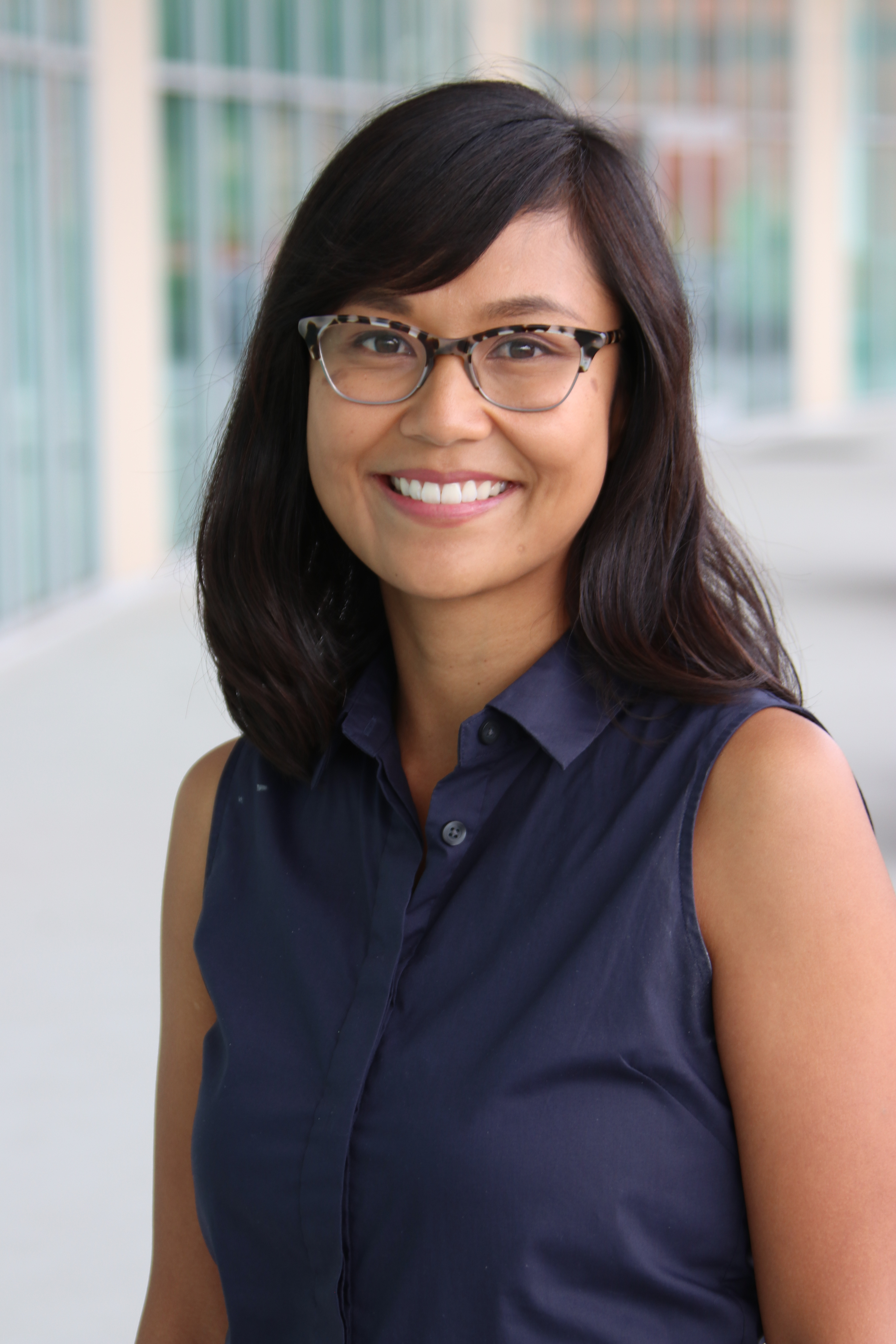
Cindy Sangalang
· Assistant ProfessorVerifiedUniversity of California, Los Angeles · Asian American Studies
Active 2007–2025
About
Cindy C. Sangalang, PhD, MSW, is an assistant professor of Asian American Studies and Social Welfare at UCLA, affiliated with the Luskin School of Public Affairs. Her research examines how race, migration, and culture intersect to influence health and well-being in immigrant and refugee communities, with a particular focus on Southeast Asian youth and their families. Her scholarly work addresses developmental and health-related effects of racism, war, and migration-related traumas, aiming to inform interventions that promote social justice and health equity. Professor Sangalang has served as a principal investigator on research funded by the National Institutes of Health (NIH) and the Substance Abuse and Mental Health Services Administration (SAMHSA). She earned her Ph.D. and Masters in Social Welfare from UCLA and completed postdoctoral training in health disparities research at Arizona State University. Her previous academic appointments include faculty positions in Social Work at Arizona State University and California State University, Los Angeles.
Research topics
- Sociology
- Medicine
- Social Science
- Gender studies
- Nursing
- Gerontology
- Political Science
- Criminology
- Economic growth
- Geography
- Demography
- Psychiatry
- Anthropology
Selected publications
American Psychologist · 2025-05-01 · 2 citations
articlePilipinx Americans (PAs) are situated at a unique intersection as descendants from colonized peoples living in the diaspora. They endure ongoing deleterious effects of colonization, including mental health (MH) disparities. Simultaneously, PAs live as settlers on Indigenous lands and need to interrogate any complicity in the ongoing colonization of First Nations from what is now called America. To examine their role in decolonial and liberatory MH practices, 12 PA social work scholars and MH practitioners conducted a culturally embedded critical collaborative autoethnography. Consensual qualitative research was used to analyze data from three focus groups. Three domains relevant to decolonial MH praxis among PAs were located. The first domain, disrupting hegemonic views of MH, captures the idea that PA MH conceptions may conflict with western MH services and systems. The second domain, resisting through cultural continuity and survivance, illuminates PAs' ongoing legacy of enduring cultural and communal practices and resisting colonization despite attempted erasure. The third domain, transforming the MH profession through decoloniality, (re)imagines MH services for and by PAs while simultaneously reckoning with their positionality as diasporic colonial descendants and settlers. Implications and advocacy for culturally embedded practices, trainings, and policies are discussed. (PsycInfo Database Record (c) 2025 APA, all rights reserved).
The scars of war last for centuries: how we understand collective trauma needs to change
Nature · 2025-05-12 · 2 citations
articleOpen access1st authorCorresponding2025-01-01
other1st authorCorrespondingInnovation in Aging · 2025-12-01
articleOpen accessSenior authorAbstract This pilot study explored grief and bereavement experiences among older Chinese immigrants in Los Angeles using a Photovoice approach. The COVID-19 pandemic not only triggered global waves of grief but also intensified anti-Asian racism, disproportionately affecting older Asian immigrants with severe symptoms of depression and anxiety. Older Chinese immigrants faced unique challenges in grief adjustment due to cultural and linguistic barriers, limited social support, and discrimination in healthcare settings. This study employed Photovoice, a participatory action research strategy, to authentically capture and discuss these experiences through visual data. The research, conducted in collaboration with the Chinatown Service Center, addressed the following research questions: 1) What were the lived experiences of grief and bereavement among older Chinese immigrants? 2) How did intersecting factors like age, immigration status, and ethnicity impact their experiences? 3) What challenges and support did they encounter in adapting to grief? A purposive sample of 20-30 participants in total aged 65 or older, born outside the United States, and having lost a loved one over six months ago will be recruited. The methodology included two individual interviews and a focus group discussion, where participants took and discussed photographs representing their grief experiences. Preliminary results were documented and will be presented in a community photographic exhibition. This study aimed to provide insights into the nuanced grief experiences of older Chinese immigrants, contributing to culturally sensitive support frameworks.
Innovation in Aging · 2025-12-01
articleOpen accessSenior authorAbstract This pilot study explored grief and bereavement experiences among older Chinese immigrants in Los Angeles using a Photovoice approach. The COVID-19 pandemic not only triggered global waves of grief but also intensified anti-Asian racism, disproportionately affecting older Asian immigrants with severe symptoms of depression and anxiety. Older Chinese immigrants faced unique challenges in grief adjustment due to cultural and linguistic barriers, limited social support, and discrimination in healthcare settings. This study employed Photovoice, a participatory action research strategy, to authentically capture and discuss these experiences through visual data. The research, conducted in collaboration with the Chinatown Service Center, addressed the following research questions: 1) What were the lived experiences of grief and bereavement among older Chinese immigrants? 2) How did intersecting factors like age, immigration status, and ethnicity impact their experiences? 3) What challenges and support did they encounter in adapting to grief? A purposive sample of 20-30 participants in total aged 65 or older, born outside the United States, and having lost a loved one over six months ago will be recruited. The methodology included two individual interviews and a focus group discussion, where participants took and discussed photographs representing their grief experiences. Preliminary results were documented and will be presented in a community photographic exhibition. This study aimed to provide insights into the nuanced grief experiences of older Chinese immigrants, contributing to culturally sensitive support frameworks.
5. The Global and Historical Nature of Racism and Health Among Asian Americans
American Public Health Association eBooks · 2024-01-01
book-chapterCentering Asian Americans in Social Work Education, Research, and Policy
Journal of Social Work Education · 2024-09-11 · 1 citations
articleSenior authorThe Intersection of Racism and Marginalized Identities Among Asian Americans
2024-10-24
book-chapterAbstract The rapidly growing and diverse Asian American population in the United States is composed of individuals originating from more than 20 different countries. Yet data on this population have often been aggregated, obscuring critical within-group differences and disparities. This chapter aims to highlight the diversity of Asian identities in America and explore how intersecting identities can foster or inhibit racism experienced by Asians in the United States. The authors begin by examining the historical context of anti-Asian sentiment and discrimination in the United States. They then explore the intersectional experiences of Asians in the United States with attention to immigrant status, racism and sexism, sexual orientation and gender identity, religiosity/spirituality, and multiracial and biracial identities. Understanding the diversity of Asian identities and the intersecting forms of discrimination they face is crucial for addressing the unique challenges and disparities within this population.
Frontiers in Public Health · 2022 · 9 citations
1st authorCorresponding- Political Science
- Sociology
- Medicine
Although the era of COVID-19 has reaffirmed the vital role of frontline workers in maintaining a functional society, the ongoing pandemic has taken a devastating toll on their health and well-being. In the United States, Filipino American frontline workers in healthcare and service industries have endured threats to their health, safety, and economic livelihood throughout the pandemic and against the broader backdrop of racialized and xenophobic hate directed toward Asian Americans. Drawing on a qualitative approach, the current study explores work-related health risks and effects of the pandemic for Filipino American frontline workers. Data come from the qualitative arm of a larger mixed-methods study that used a community-based participatory research approach. The current analysis is based on focus group data with thirty-five Filipino American frontline workers, a majority of whom were migrants, that worked across healthcare, caregiving, education, childcare, food services, and retail industries. Situated through the lens of racial capitalism, themes included: (1) work-related stress, tensions, and trauma, (2) anti-Asian racism and intersections with age- and gender-based violence, and (3) working while ill and distressed. Study findings can inform interventions and policies to improve health, occupational environments, and labor conditions in order to support minoritized communities disproportionately affected by COVID-19.
Effects of Trauma and Postmigration Stress on Refugee Women’s Health: A Life Course Perspective
Social Work · 2022 · 7 citations
1st authorCorresponding- Medicine
- Gerontology
- Psychiatry
Trauma exposure and postmigration stress are associated with adverse health outcomes among refugees, yet the relative effect of these factors for subgroups of refugees and those resettled long-term remains unclear. Drawing on life course theory, this study evaluated the associations between war trauma, postmigration stress, and health among Southeast Asian refugee women in the United States, and whether these patterns differ across the life span. A community sample of Vietnamese and Cambodian refugee women aged 30-72 years (N = 293) reported mental and physical health outcomes, conflict-based trauma exposure, and postmigration measures of discrimination and community violence. Both trauma exposure and discrimination were associated with mental and physical health problems, with the relative effect of each stressor varying across specific health outcomes; community violence was associated with poorer mental health. Age moderated the effect of trauma exposure across health outcomes, with stronger associations between trauma and health for older women in particular. Findings provide support for the influence of trauma exposure and the importance of postmigration stressors on health across the life span for refugees. Attending to age group differences in the effects of these stressors, and to subgroups such as women, has implications for interventions addressing the long-term health of refugee populations.
Frequent coauthors
- 36 shared
Suely Ngouy
National Institutes of Health
- 36 shared
Anna S. Lau
Center for Asian American Media
- 6 shared
Justin Jager
Arizona State University
- 4 shared
Stephanie Lechuga-Peña
Arizona State University
- 4 shared
Gilbert C. Gee
University of California, Los Angeles
- 4 shared
Tracy W. Harachi
University of Washington
- 4 shared
Felicia M. Mitchell
- 3 shared
Bum Jung Kim
Chung-Ang University
- Resume-aware match score
- Save to shortlist
- AI-drafted outreach
See your match with Cindy Sangalang
PhdFit ranks faculty by your research interests, methods, and publications — grounded in their actual work, not templates.
- Free to start
- No credit card
- 30-second signup