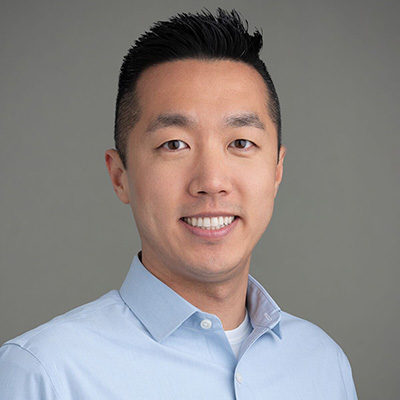
Daniel Cho
· Assistant ProfessorVerifiedUniversity of Wisconsin-Madison · Plastic Surgery
Active 2001–2026
About
Daniel Cho, MD, PhD, is an Assistant Professor in the Division of Plastic Surgery at the University of Wisconsin School of Medicine and Public Health. He specializes in the treatment of infants and children with birth defects affecting the head and skull, with a particular focus on craniosynostosis. This serious condition involves the premature fusion of one or more skull bones in infants, which can lead to abnormal skull development and restrict brain growth. Dr. Cho emphasizes the importance of surgical intervention to correct skull shape and create space for brain growth, while closely monitoring patients to prevent increased pressure around the brain as they develop.
Research topics
- Medicine
- Environmental health
- Demography
- Internal medicine
- Psychiatry
- Surgery
- Political Science
- Biology
- Nursing
- Genetics
- Computational biology
- Bioinformatics
- Intensive care medicine
- Gerontology
- Geography
- Pediatrics
Selected publications
The ASCFS Clinical Practice Guideline for the Surgical Treatment of Craniosynostosis
FACE · 2026-01-16
articleSenior authorCorrespondingBackground: Craniosynostosis is a congenital condition characterized by the premature fusion of one or more cranial sutures, leading to abnormal skull and facial morphology. Despite significant advancements in its understanding and treatment, variability in clinical practice persists across perioperative care. This underscores the need for evidence-based guidelines to standardize care and improve patient outcomes. The American Society of Craniofacial Surgeons (ASCFS) aims to address this need by presenting a comprehensive clinical practice guideline for the perioperative surgical treatment of craniosynostosis. Methods: American craniofacial centers were surveyed for standardized perioperative care protocols for craniosynostosis. Key topics, including analgesia and preoperative imaging, formed the foundation of this guideline. Literature searches on PubMed and Embase were conducted for each topic, with two reviewers independently screening titles and abstracts. A third-party reviewer resolved any discrepancies. Full-text reviews identified articles for inclusion. Recommendations were developed using an evidence-based consensus approach and graded using the American Society of Plastic Surgeons’ recommendation grading scale. Results: Recommendations were developed for 23 topics, including antimicrobial prophylaxis, analgesia, steroids, surgical drains, preoperative imaging, postoperative nausea and vomiting, and agents to manage blood loss such as tranexamic acid, epsilon-aminocaproic acid, and fibrinogen. The strength of recommendation to support these components was variable but allows for each institution to implement the aspects of the protocol that are suitable for their practice patterns in an evidence-based manner. Conclusions: This standardized perioperative clinical care pathway represents a synthesis of the current literature available to guide perioperative care of patients undergoing cranial vault remodeling for the treatment of craniosynostosis. These recommendations can be applied to most patients, although as with any clinical practice guideline, they should be guided by each patient’s clinical circumstances and individual institutional policies.
Current Patterns in the Scope of Craniofacial Fellowship Training: A Website-Based Analysis
FACE · 2025-08-06
articleSenior authorCorrespondingBackground: Craniofacial surgery specializes in the treatment of the craniomaxillofacial skeleton and soft tissues. Historically, craniofacial surgery fellowship programs have most often focused on the treatment of pediatric congenital anomalies. However, the scope of the discipline has evolved, and in a recent survey of early-career craniofacial surgeons, nearly 70% of respondents reported their practice was primarily focused on adult patients. The purpose of this study is to systematically analyze the conditions and procedures advertised on craniofacial fellowship websites to ascertain the scope of training opportunities currently available within craniofacial surgery fellowship programs. Methods: In November 2024, the American Society of Craniofacial Surgeons’ (ASCFS) Fellowship Directory was used to identify endorsed craniofacial fellowships in the United States and Canada. Each program website was evaluated for the medical conditions and operative procedures or techniques to which trainees would be exposed. Results: The search identified 36 ASCFS endorsed fellowships, all of which had a website available. From the 34 websites that listed conditions and/or procedures to which trainees are exposed, 69 themes were elucidated. The top 10 themes were cleft lip and palate (91%), craniosynostosis (85%), orthognathic/jaw deformity surgery (77%), acute and secondary trauma reconstruction (71%), pediatric craniofacial surgery (68%), pediatric plastic surgery (56%), microsurgery or free flap reconstruction (56%), distraction osteogenesis (50%), vascular anomalies (47%), and craniofacial syndromes (41%). The least reported themes were neuroplastic reconstruction, tooth extraction, canthopexy, facelift, fat grafting, torticollis, transplant surgery, congenital chest, muscle reinnervation, bone substitutes, adult facial reconstruction, dermatology, preservation rhinoplasty, adult reconstruction, and surgically assisted rapid palatal expansion. Conclusions: There is a discrepancy between the training advertised on ASCFS-endorsed program websites and what recent craniofacial fellowship graduates report practicing. Increasing exposure to non-pediatric craniofacial surgery may better prepare graduates for practice in the evolving landscape of craniofacial surgery.
Speech Therapy in an Adult With Cleft Lip and Palate: A Clinical Case Study
Perspectives of the ASHA Special Interest Groups · 2025-06-30
articleOpen accessClinical Scenario: Although speech therapy (ST) has been frequently studied in children, the efficacy of motor-phonetic ST in adults with repaired cleft lip and palate (CLP) is unclear. Clinical Question: How does articulation change over time for an adult with CLP engaged in motor-phonetic ST? Study Sources: This study describes articulation and motor-phonetic intervention in a 33-year-old, monolingual Spanish-speaking woman presenting with CLP and associated velopharyngeal insufficiency. Case history, initial evaluation, surgical intervention, and progress during ST are described with reference to current literature. Results: Upon initial evaluation, the patient presented with speech characterized by pervasive compensatory articulation errors and moderate hypernasality. As such, the patient completed 22 sessions of ST and underwent palatal surgery (between ST Sessions 3 and 4). Follow-up data were collected 49 days following treatment. Progress in ST was tracked using percent consonants correct (PCC) on the targets /p, t, k, s/. All therapy targets were produced at baseline as glottal stops (0% PCC). Following surgery, PCC was 56% for /p/, 31% for /t/, and 0% for /s/. In Session 11, /k/ was introduced (PCC = 45%). At Session 22, PCC was 100% for /p/, 46% for /t/, 100% for /s/, and 70% for /k/. PCC values were maintained across all target phonemes at follow-up. Conclusions: PCC improved following intervention, and gains were maintained at follow-up. Data suggest that a motor-phonetic approach may effectively address speech sound disorders in adults with CLP. Future research is needed to explore this intervention on a larger scale and compare to other approaches.
Neighborhood Disadvantage Predicts Surgical Approach in Craniosynostosis Repair
The Cleft Palate-Craniofacial Journal · 2025-11-03
articleSenior authorCorrespondingObjective To assess whether patients with craniosynostosis differ in age at diagnosis, age at surgery, time from presentation to surgery, and receipt of minimally invasive versus open surgery according to their relative neighborhood-level socioeconomic disadvantage, as assessed by area deprivation index (ADI). Design Single-center retrospective cohort study. Setting Academic tertiary care center. Patients 124 patients undergoing primary craniosynostosis repair from 2010 to 2023. Main Outcome Measures State area deprivation index quintile, age at diagnosis, age at surgery, time from presentation to surgery, operative approach of surgery (minimally invasive vs. open). Results Overall, 58.1% of patients were treated with minimally invasive surgery. A higher ADI quintile, indicating greater socioeconomic disadvantage, was associated with older age at diagnosis (Spearman's ρ=.264, P = .003), older age at primary surgery (Spearman's ρ=.291, P = .001), and increased time from presentation to surgery (Spearman's ρ=.179, P = .046). After adjusting for age at presentation, a higher ADI was also associated with an increased likelihood of undergoing open surgery (OR 1.516, 95% CI 1.032-2.225, P = .034). Conclusions In this group of patients undergoing primary craniosynostosis repair, those from more disadvantaged neighborhoods were more likely to be older at presentation and at surgery. They were also more likely to undergo open repair after adjusting for age at diagnosis, suggesting that extrinsic factors may differentially influence the selection of operative approach. Further outreach and advocacy efforts to improve equitable access to minimally invasive surgery are likely to help alleviate socioeconomic disparities in perioperative and long-term outcomes for patients with craniosynostosis.
The JPL Snapdragon Co-Processor: A Compact High-Performance Computer for Spaceflight Applications
2025-03-01
articleFollowing in the footsteps of the resounding success of the Ingenuity Mars Helicopter which was powered by a Qualcomm® Snapdragon<sup xmlns:mml="http://www.w3.org/1998/Math/MathML" xmlns:xlink="http://www.w3.org/1999/xlink">TM</sup> 801 system-on-chip (SoC), the Jet Propulsion Laboratory has continued its investments into high-performance spaceflight computers based on Qualcomm's Snapdragon line of SoCs. One significant achievement of these efforts is the development of the JPL Snapdragon Co-Processor (SCP), a small form-factor computer for spaceflight applications featuring the automotive-grade Snapdragon SA8155P SoC. The technology readiness level (TRL) of the SCP was raised to TRL-6 in January 2024. The SCP is currently being included in two upcoming CubeSat-based on-orbit technology demonstration missions and is under consideration as a computer vision processor for missions up to and including class-B. The Snapdragon SA8155P features an octa-core Arm® CPU cluster with four Cortex® A-76 and four Cortex A-55 cores, a graphics processing unit (GPU) capable of 898 GFLOPs (32-bit floating-point), and a cluster of 4 Hexagon™ DSP cores. The SCP board is outfitted with 16 GB of RAM, 128 GB of non-volatile Flash memory, and 2 Mb FRAM. The external interfaces of the SCP are two USB 3.1 Gen2 ports, a 4×4 lane MIPI Camera Serial Interface connector, and a 200-pin space-grade mezzanine connector featuring three total PCI Express lanes, an RGMII interface to support Gigabit Ethernet, and low-speed UART, GPIO, JTAG, and SPI connections. To utilize the interfaces on the mezzanine connector, JPL has developed a variety of custom carrier cards for the SCP, ranging from the advanced and high-performance line of Swift Processor Modules to a dedicated SCP carrier card for CubeSat applications. In this paper, we present a detailed overview of the SCP design, its capabilities, and its interfaces to the spacecraft bus. We describe the available options to integrate the SCP into a spacecraft using the currently available and in-development carrier boards as examples. We comment on the software support and past and future JPL software benchmarking and porting efforts. Finally, we comment on the TRL-6 test campaign and give a brief outlook of the future of the SCP for JPL missions and the wider spaceflight community.
SSRN Electronic Journal · 2025-01-01
preprintOpen accessSenior authorThe Cleft Palate-Craniofacial Journal · 2025-09-24 · 3 citations
articleSenior authorCorrespondingObjective To assess the relationship between neighborhood-level social disadvantage, as measured by Area Deprivation Index (ADI) and Childhood Opportunity Index (COI), and postoperative outcomes and follow-up care after primary or secondary cleft palate repair. Design Retrospective cohort study. Setting Academic tertiary care center. Patients Pediatric patients with cleft palate with or without cleft lip (CP ± L). Interventions Primary palatoplasty, revision palatoplasty, or closure of oronasal fistula. Main outcome measures Postoperative complications and clinic follow-up adherence. Results A total of 244 patients were included in the study. Among all patients, there was only a moderate correlation between patients’ ADI and COI quintiles (R 2 = 0.465, P < .001). In patients undergoing primary palatoplasty, greater ADI neighborhood deprivation was significantly associated with a greater number of no-show ( P = .011) and cancelled ( P = .025) clinic appointments. In patients undergoing revision palatoplasty, greater ADI neighborhood deprivation was significantly associated with higher rates of postoperative complications ( P = .016) and a greater number of no-show clinic appointments ( P = .036). Greater COI disadvantage was associated with significantly higher rates of hospital readmission ( P = .049) and fewer cancelled clinic appointments ( P = .049) in revision palatoplasties. Neighborhood disadvantage was not predictive of any oronasal fistula repair postoperative outcomes, follow-up adherence, or patient characteristics at surgery. Conclusions Neighborhood-level social disadvantage indices are predictive of suboptimal surgical outcomes and follow-up adherence in patients undergoing cleft palate surgery and could be used to identify patients who may benefit from additional clinic outreach and support.
Journal of surgical education · 2025-07-01
articleSenior authorDOSE ESCALATED INTENSITY-MODULATED PROTON THERAPY FOR LARGE HEPATOCELLULAR CARCINOMA
International Journal of Particle Therapy · 2025-11-25
articleOpen accessAdult facial Fractures: A review and guide for emergency medicine clinicians
JEM Reports · 2025-04-21
reviewOpen accessFacial fractures are common injuries in emergency departments across the United States. These can present various challenges for emergency medicine (EM) physicians and other healthcare providers. Managing these injuries can be complex which may be exacerbated by varying availability of specialist support, particularly in rural or community settings. This review aims to provide a comprehensive, evidence-based approach to the management of facial fractures for emergency medicine (EM) clinicians. This review highlights key principles in trauma evaluation, imaging, and indications for surgical consultation to improve decision-making and patient care. Facial fracture management begins with systematic trauma evaluation, prioritizing stability, hemorrhage control, and airway patency. Maxillofacial CT without contrast is the preferred imaging modality for most facial fractures with some requiring further imaging. Emergency physicians should recognize high risk features requiring surgical consultation, including displacement, malocclusion, and neurovascular compromise. Orbital and midface fractures may require ophthalmologic consultation if the patient presents with entrapment, globe rupture, or orbital compartment syndrome. In many cases, stable, non-displaced fractures may be managed outpatient with clear return precautions and outpatient surgical follow-up. This review is designed to be accessible and instructive for EM trainees and clinicians. These multidisciplinary guidelines provided can equip EM providers with the knowledge to safely and effectively triage facial fractures.
Recent grants
Targeting the PI3-Kinase/Akt Pathway for the Therapy of Renal Cell Carcinoma
NIH · $847k · 2009–2014
Frequent coauthors
- 90 shared
Jesse A. Taylor
Children's Hospital of Philadelphia
- 87 shared
G Anil Kumar
- 83 shared
Dan J. Stein
South African Medical Research Council
- 83 shared
Alan D Lopez
Duke University
- 82 shared
Dillan F. Villavisanis
Children's Hospital of Philadelphia
- 80 shared
Jordan W. Swanson
Children's Hospital of Philadelphia
- 80 shared
Jessica D. Blum
University of Wisconsin American Family Children's Hospital
- 78 shared
Sok King Ong
Labs
Cho LabPI
Education
- 2012
ScM Biotechnology
Brown University
- 2012
PhD Polymer Chemistry
Brown University
- 2009
MD
Brown University Warren Alpert Medical School
- 2007
ScB Biochemistry and Molecular Biology; AB Visual Arts
Brown University
Awards & honors
- 12-month Draper Technology Innovation Fund (TIF) award from…
- State Economic Engagement & Development (SEED) fund grant fr…
- Resume-aware match score
- Save to shortlist
- AI-drafted outreach
See your match with Daniel Cho
PhdFit ranks faculty by your research interests, methods, and publications — grounded in their actual work, not templates.
- Free to start
- No credit card
- 30-second signup