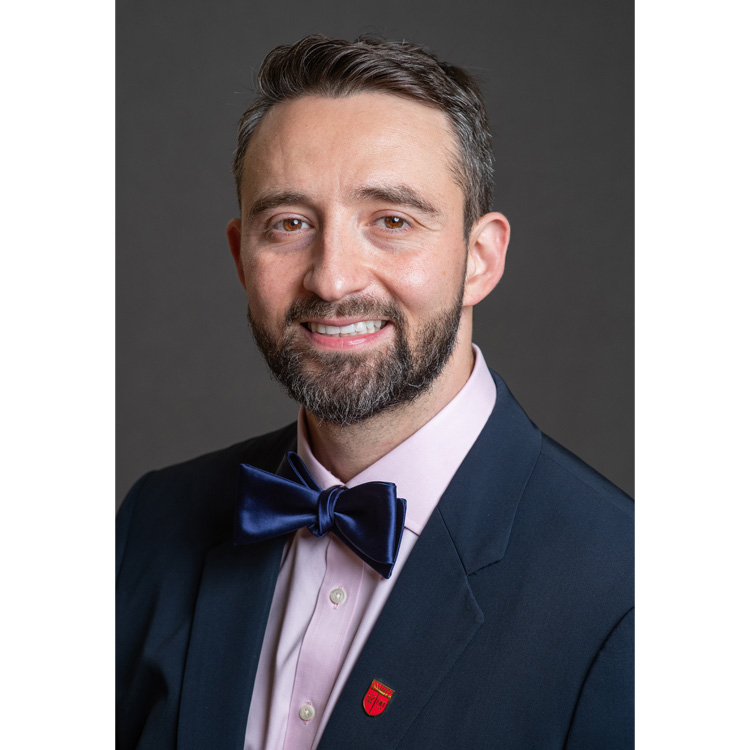
Boris Paskhover
· Associate ProfessorRutgers University · Otolaryngology - Head and Neck Surgery
Active 2007–2026
About
Dr. Boris Paskhover is an Associate Professor in the Department of Otolaryngology at Rutgers New Jersey Medical School. He specializes in all aspects of Facial Plastics & Reconstructive Surgery, with extensive experience in facial reconstruction, rhinoplasty, revision rhinoplasty, rhytidectomy (facelift), blepharoplasty (eyelid rejuvenation), brow lifting, cosmetic ear surgery, facial nerve reanimation, facial pain, and congenital deformities. His background includes growing up in Queens, New York City after immigrating from Eastern Europe, and completing his undergraduate degree in Cell Biology and Neuroscience with Highest Honors from Rutgers University. He earned his MD from Albert Einstein College of Medicine, where he received the Gold Humanism Honors Award and was inducted into Alpha Omega Alpha. Dr. Paskhover completed his residency in Otolaryngology Head & Neck Surgery at Yale, where he acquired essential skills in surgery involving the head and neck areas and received multiple awards, research grants, and led research projects resulting in over 80 publications, presentations, and book chapters. He further specialized in Facial Plastics and Reconstructive Surgery through a fellowship at NYU Langone Medical Center, serving as an attending surgeon at several hospitals including NYU, Bellevue Hospital Center, Manhattan Eye Ear Throat Hospital, and NYC Veterans Hospital. His research and clinical expertise focus on facial plastics, reconstructive surgery, and head and neck surgery.
Research topics
- Medicine
- Surgery
- Dermatology
- Anesthesia
- Internal medicine
- Psychology
- Social psychology
- Endocrinology
- Neuroscience
Selected publications
Sleep Medicine and Dental Medicine
Medical Clinics of North America · 2026-04-01
articleOtolaryngology · 2025-08-26
articleOpen accessOBJECTIVE: Injection laryngoplasty (IL) is performed to correct glottic insufficiency. There has been a purported shift away from operative techniques in favor of awake, in-office procedures, but no studies comparing utilization include updated current procedural terminology (CPT) coding. We analyzed the usage of operative versus awake injections CPT codes over 2 decades, recognizing that these encompass a broad array of injection procedures. STUDY DESIGN: Retrospective database study. SETTING: United States Medicare Population from 2001 to 2022. METHODS: Utilization and reimbursement data compiled by the US Centers for Medicare & Medicaid Services were queried for CPT codes encompassing awake injections (31513, 31573, 31574), operative ILs (31570, 31571), and operative medialization laryngoplasties (31588, 31591). RESULTS: 10,186 injections were performed in 2022, a 195% increase from 2001. Awake injections grew by 412.77%, while operative injections grew by 134.75%. Operative injections are still more common (79.4% in 2001; 64.24% in 2022) and population-adjusted use of 31571 grew between 2001 and 2021, while 31570 decreased. Since its adoption in 2017, awake IL code 31574 increased by 66.6%. From 2001 to 2006, the annual growth rate of awake injections was significantly lower than that of operative IL (P < .0001). From 2017 onwards, the awake IL growth rate was significantly higher than operative injections (P = .020). CONCLUSIONS: Awake injection utilization increased over the 22-year period, as introduction of code 31574 coincided with a relative decline in operative and an increase in awake IL. Otolaryngologists may be implementing awake injections due to reduced recovery time and introduction of more specific CPT codes.
Plastic & Reconstructive Surgery · 2022-11-15
articleSenior authorCorrespondingInjectable facial aesthetic procedures such as botulinum toxin chemodenervation and soft-tissue dermal fillers are generally associated with mild and limited adverse effects and high patient satisfaction rates.1 A variety of different factors may affect a patient’s satisfaction, including patient expectations, short-term and long-term aesthetic outcomes, and postoperative complications. Information regarding aesthetic surgical procedures on the Internet has increased rapidly as patients often turn to online resources before consultation with a physician.2 In this study, we analyzed the top viewed preoperative and postoperative patient questions on realself.com regarding injectable facial aesthetic procedures in an effort to better understand the patient concerns expressed on social media. The most viewed questions posted to realself.com about injectable facial aesthetic procedures including botulinum toxin and dermal fillers were collected automatically using a web crawler. Each question was categorized as preoperative or postoperative and then subcategorized based on the topic focus. A machine-learning workflow described by Tseng et al.3 was applied to analyze the questions further. Question text was preprocessed and then grouped via K-means clustering. The most representative questions in each cluster were then determined to produce the most common preoperative and postoperative questions. A total of 2000 questions were collected, including 1500 dermal filler and 500 botulinum toxin questions because of the greater representation of dermal fillers on the site. The overall number and frequency of questions with their primary categories are described in Table 1. There were 1012 preoperative questions (50.6%) and 988 postoperative questions (49.4%). The most common preoperative categories were eligibility for injectables (25.1%) and specific appearance desired (19.8%). The most common postoperative queries concerned appearance (60.6%) and behavior allowed or disallowed (14.6%). (See Appendix, Supplemental Digital Content 1, which shows the most common preoperative and postoperative questions determined by machine-learning analysis, https://links.lww.com/PRS/F604.) Table 1. - Frequency of Primary Question Categories Category No. of Questions Proportion of Questions Preoperative (n = 1012) Alternatives to injectables 23 2.27 Behavior allowed or disallowed 8 0.79 Best product for patient 138 13.64 Cost 39 3.85 Dosage 79 7.81 Duration of results 29 2.87 Eligibility for injectables 254 25.10 Injectables with other procedures or products 30 2.96 Injection location 43 4.25 Miscellaneous 25 2.47 Potential adverse effects 91 8.99 Specific appearance desired 200 19.76 Surgeon recommendation 21 2.08 Technical aspects of procedure 12 1.19 Who can perform injections 20 1.98 Postoperative (n = 988) Appearance 599 60.63 Behavior allowed or disallowed 144 14.57 Miscellaneous 8 0.81 Recovery duration 64 6.48 Reversing results 17 1.72 Symptoms after surgery 156 15.79 The most common preoperative question category was eligibility for injectable procedures, indicating the importance of a thorough individualized discussion based on the patient’s personal factors during the initial consultation.4 The next most common category was obtaining a specific appearance. Before surgery, physicians can increase patient satisfaction rates by encouraging patients to express their aesthetic goals and establishing realistic expectations for specific products.5 The most common postoperative question category concerned patients’ postprocedure appearance, underscoring the significance of thoroughly discussing with patients their anticipated appearance during preoperative planning. The next most common postoperative question category was behavior allowed or disallowed, demonstrating the importance of explaining to patients what behaviors should be done or not done, as well as the duration of time before patients can return to normal activities, to optimize results and improve patient satisfaction. These results were largely reflected by the most common preoperative and postoperative questions determined by machine learning. Our analysis using crowdsourced data from realself.com can provide insight into patient concerns regarding injectable facial aesthetic procedures. Our study revealed several common categories of questions patients have during their preoperative and postoperative course regarding injectable facial aesthetic procedures. The educational handout we developed can be applied to assist physicians in better addressing patient questions and improving patient satisfaction. DISCLOSURE The authors have no financial interest to declare in relation to the content of this article.
Chest masculinization surgery: Patients top questions validated by machine learning analysis
Journal of Plastic Reconstructive & Aesthetic Surgery · 2022-05-01
letterCorrespondingO116 / #219 NEUROMODULATION OF THE LINGUAL NERVE: A NOVEL TECHNIQUE AND CASE SERIES
Neuromodulation Technology at the Neural Interface · 2022-10-01
articleSenior authorApplying Machine Learning to Determine Popular Patient Questions About Mentoplasty on Social Media
Aesthetic Plastic Surgery · 2022-02-24 · 7 citations
articleSenior authorImpact of Age on Surgical Outcomes Following Mandible Fracture Repair
The Laryngoscope · 2022-05-31 · 4 citations
articleSenior authorCorrespondingOBJECTIVES: Open repair of mandibular fractures are frequently performed surgical procedures. Increasing rates of such fractures are seen in older adults following falls. This study assesses the impact of older age on early complications following mandible fracture repair. STUDY DESIGN: Retrospective analysis of national registry. METHODS: The 2013-2018 National Surgical Quality Improvement Program database was queried for all cases of open mandible fracture repair and cases were categorized into younger (18-40), middle (41-65), and older (>65) age cohorts. Demographics and comorbidities were compared between the age groups. Rates of surgical, medical, and wound complications within 30-days of surgery were determined. Multivariable logistic analyses were performed to assess the relationship between age and complications. RESULTS: Altogether, 1818 cases were included for analysis, of which 1269 (69.8%) were younger, 459 (25.2%) were middle, and 90 (5.0%) were older age. Increased rates of complications were seen in the older groups, including unplanned reoperation, unplanned readmission, wound disruption, and medical complications (p < 0.01). On unadjusted analysis, the older (>65) age group had an increased odds of experiencing a complication compared to the younger (18-40) group (OR: 4.19, p < 0.001). The older age group continued to have a significantly increased odds of medical complications after multivariable adjustment (adjusted OR: 8.64, p < 0.001). CONCLUSIONS: On this analysis of a national database, advanced age was associated with an increased frequency of early postoperative complications following open mandibular fracture repair. Following multivariable adjustment, advanced age continued to be associated with increased odds of postoperative medical complications within 30 days of surgery. LEVEL OF EVIDENCE: 3 Laryngoscope, 133:287-293, 2023.
Archives of Dermatological Research · 2022-11-01 · 18 citations
articleResearch Square · 2022-08-03 · 2 citations
preprintOpen accessAbstract Background Despite its limitations, in part due to decreased specificity in advanced disease, serum lactate dehydrogenase (LDH) is one of few serum factors used in cancer staging. Objectives This study quantifies the predictive capabilities of LDH in stage IV melanoma of the skin and explores the validity of suggested demographic discrepancies which may exist in its use. Methods The 1975–2017 Surveillance Epidemiology and End Results (SEER) database was queried for stage IV cutaneous melanoma cases. Demographic characteristics were compared between LDH groups using chi-square and t-tests. Subsequent Cox multivariable regression was performed to assess survival differences. Results 334 cases of stage IV cutaneous melanoma (average age: 63.0 years) with measured serum LDH levels were identified. Of these patients, 150 (44.9%) had normal LDH, 112 (33.5%) had LDH < 1.5x upper limit of normal (ULN), 57 (17.1%) had LDH 1.5-10x ULN, and 15 (4.5%) had LDH > 10x ULN. Lower incomes were associated with higher LDH; individuals with incomes <$50,000 had the greatest proportion of LDH 10x ULN (19.2%; p = 0.0031). LDH > 10x ULN also had the lowest proportion of White patients (p = 0.04). On Cox multivariable survival analysis, increasing LDH levels showed increased risk of death (LDH < 1.5x ULN: HR = 2.05, p = 0.01; LDH 1.5-10x ULN: HR = 1.46, p < 0.001; LDH > 10x ULN: HR = 5.91, p < 0.001). Conclusion This study reaffirms the utility of LDH as a significant predictor of mortality with incremental severity, suggesting possible use for mortality projections. We note that Black patients and those with lower incomes may be more likely to have an elevated LDH. Older age groups and presence of ulceration among patients with stage IV melanoma were also associated with a greater risk of mortality.
Complications associated with deep brain stimulation for Parkinson’s disease: a MAUDE study
British Journal of Neurosurgery · 2021-06-20 · 15 citations
articleINTRODUCTION: Deep brain stimulation (DBS) is a common surgical option for the treatment of medically refractory Parkinson's disease (PD). Manufacturer and User Facility Device Experience (MAUDE), a United States Food and Drug Administration (FDA)-compiled database of adverse event reports related to medical devices, is a public resource that can provide insight into the relative frequency of complications and patient complaints. MATERIALS AND METHODS: We accessed the MAUDE database and queried for adverse reports for deep brain stimulators implanted for PD from January 1, 2009 to December 31, 2018. Complaints were classified into device malfunction, patient non-compliance, patient complaint, surgically managed complications (i.e. complications that are corrected via surgery), and death. Patient complaints were further stratified into ineffective stimulation, shock, overstimulation, battery-related problems, or pain at the pulse generator site. Surgically managed complications were classified as intraoperative complications, impedance, migration, erosion, infection, lead fracture, and lead disconnection. Each event could receive multiple classifications and subclassifications. RESULTS: A total of 4,189 adverse event reports was obtained. These encompassed 2,805 patient complaints. Within this group, 797 (28%) events were classified as ineffective stimulation. There were 1,382 surgically managed complications, 104 (8%) of which were intraoperative complications, 757 (55%) documented impedance issues, 381 (28%) infections, and 413 (30%) lead-related issues. There were 53 documented deaths. CONCLUSIONS: The MAUDE database has potential use as a real time monitor for elucidating the relative occurrence of complications associated with deep brain stimulation. It also allows for the analysis of device-related complications in specific patient populations. Although the database is useful in this endeavor, it requires improvements particularly in the standardization of reporting adverse events.
Frequent coauthors
- 75 shared
Max Ward
Northwell Health
- 69 shared
Brittany Ward
Berkeley Public Health Division
- 54 shared
Antonios Mammis
New York University
- 51 shared
Roman Povolotskiy
Rutgers, The State University of New Jersey
- 38 shared
Guy Talmor
Rutgers New Jersey Medical School
- 32 shared
Sara Behbahani
Brigham and Women's Hospital
- 31 shared
Chris Choi
Staten Island University Hospital
- 31 shared
Amishav Y. Bresler
Rutgers, The State University of New Jersey
Education
- 2007
B.A., Cell Biology and Neuroscience
Rutgers University
- 2011
M.D.
Albert Einstein College of Medicine
Awards & honors
- Gold Humanism Honors Award
- Alpha Omega Alpha (AOA)
- Resume-aware match score
- Save to shortlist
- AI-drafted outreach
See your match with Boris Paskhover
PhdFit ranks faculty by your research interests, methods, and publications — grounded in their actual work, not templates.
- Free to start
- No credit card
- 30-second signup