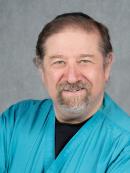
Evan Spivack
· ProfessorRutgers University · Pediatric Dentistry and Community Health
Active 1969–2021
Research topics
- Medicine
- Family medicine
- Political Science
- Environmental health
- Physical therapy
- Computer Science
- Medical emergency
- Pathology
- Nursing
- Psychology
- Anesthesia
- Internet privacy
- Psychiatry
- Medical education
- Human–computer interaction
Selected publications
Open Journal of Anesthesiology · 2021 · 6 citations
- Medicine
- Physical therapy
- Anesthesia
Telemedicine is a branch of healthcare that uses communication technology to deliver medical information and services between patients and healthcare providers. The applicability of telemedicine is vast and increasingly relevant. There is a lack of research on utilizing telemedicine for remote evaluation of the airway. The primary aim of this pilot study was to validate a telemedical airway exam as a viable alternative to an in-person evaluation. Three anesthesiologists evaluated 48 volunteers by telemedicine and live examination. The telemedical exam consisted of transmitting still images of four established, predictive parameters of difficult airways: Mallampati score; neck extension; ability to prognath; and thyromental distance. Each subject’s telemedical and face-to-face scores were compared to determine their degree of correlation. Still images were taken using standardized positioning with four pictures of mouth opening, neck extension, prognath, and thyromental distance. Data were analyzed using Wilcoxon signed-rank tests and free-marginal multirater kappa analysis. Average respective scores for live versus telemedicine examination were as follows: Mallampati scores were 1.73 versus 2.54; neck extension scores were 3.77 versus 3.60; thyromental distance (measured in finger breadths) was 2.95 versus 2.92; and prognath scores were 0.97 versus 0.94. There was no difference in grading of thyromental distance or prognathy ability between live and telemedical exams, and interrater reliability was very good for both parameters. This study supports telemedicine as a reliable tool for preoperative anesthesia airway exams to identify airway difficulties. This may be especially useful as an alternative in patients with COVID-19 undergoing urgent surgery.
Treating patients with special health needs.
PubMed · 2021-03-01
articleSenior authorMedical comorbidities associated with autism spectrum disorder and their impact on dental care.
PubMed · 2020-12-29
article1st authorCorrespondingAutism spectrum disorder is a neurodevelopmental disorder affecting communication, behavior, and socialization in a large number of children and adults. In addition to the classically considered features of autism, individuals with this disorder also often present with multiple significant medical comorbidities that affect dental treatment. This article discusses the most common of these neurologic, psychiatric, and gastrointestinal issues and explores their relevance to dental care. It is incumbent on dentists and members of the dental team to be familiar with the features and comorbidities of autism spectrum disorder and effectively use this knowledge to provide care for patients with autism.
Dental Care of the Homebound Patient with Myalgic Encephalomyelitis/chronic Fatigue Syndrome
2020 · 2 citations
1st authorCorresponding- Medicine
- Physical therapy
- Psychiatry
Myalgic encephalomyelitis/chronic fatigue syndrome (ME/CFS) is a disabling condition affecting millions of adults and children worldwide. Despite the development of multiple criteria sets for defining this disorder, agreement on the core symptoms and other implications of ME/CFS point to the importance of understanding their role in oral health care. Overall, care for the homebound and bedbound population with ME/CFS issues has been under-addressed in the literature to date and there has been little consideration of the oral health needs of this population. Evaluation, diagnosis and treatment of dental concerns may be hindered by many of the diverse symptoms of ME/CFS. The present paper utilizes the International Consensus Criteria (ICC) in discussing treatment considerations for the most severely affected patients with ME/CFS, both in oral evaluation and active care. While no specific dental pathology is linked to ME/CFS, proper care for the patient so affected must take into account the disorder’s symptoms and severity.
Teledentistry: remote observation of patients with special needs.
PubMed · 2020 · 14 citations
1st authorCorresponding- Computer Science
- Political Science
- Medicine
While telemedicine has been adopted and is used increasingly in patient care, the dental profession is still in the relatively early stages of utilizing technology in similar ways. The number of patients with intellectual and developmental disabilities is increasing in number and complexity, calling for new approaches to assist with access to care. The current article outlines the benefits of new technology in the evaluation of all patients but particularly the more complex population that has been diagnosed with a disability. Three case examples illustrate the value of technology in remote patient observation and offer ideas for use and further research.
2018-10-29 · 4 citations
book-chapter1st authorCorrespondingNutritional and dental issues in patients with intellectual and developmental disabilities
The Journal of the American Dental Association · 2018-02-16 · 15 citations
articleSenior authorThe FASEB Journal · 2016-04-01
articleObjective To describe an interprofessional model to train students in the dental school clinic setting on exploration of drug‐diet/nutrient interactions. Methods Students and residents from the Rutgers’ Department of Nutritional Sciences, School of Health Related Professions and the School of Dental Medicine engage in interprofessional patient care. Nutrition and dental students/residents review patients’ medical histories, physical findings, medications, dietary supplements and chief complaints as a team under the guidance of dental and nutrition faculty. Using live patients or case studies, students/residents engage in interprofessional collaborative practice to identify potential medication‐ dietary supplement interactions that impact nutrition/diet status and oral health. Detailed diet histories and diagnostic test results are evaluated to determine potential deficiencies or interactions and appropriate interventions. Summary of Results Interprofessional approaches to practice provide role modeling for students/residents to emulate as they enter the practice setting. Effective interprofessional training integrates a variety of approaches; identification of drug, dietary supplement interactions and patient history, along with physical and diagnostic findings that impact diet/nutrition status and the orofacial region allows dental and nutrition students/residents to actively engage in learning while providing patients with comprehensive care in the dental school clinics. Students/residents learn collaborative decision‐making, problem solving and team‐based communication to deliver best practices. Conclusion Collaborative interprofessional team training and practice during clinical rotations allows students/residents to learn and appreciate the distinctive perspectives, knowledge and skills other disciplines bring to patient care. Student/resident feedback has been consistently positive. Support or Funding Information N/A
Nutrition Therapy and Dental Medicine Collaborate on Patients with Special Needs
Journal of the Academy of Nutrition and Dietetics · 2015-08-25
articleJournal of Clinical Anesthesia · 2010-09-01 · 13 citations
article
Frequent coauthors
- 4 shared
Justin Stone
- 4 shared
Ellise Delphin
Albert Einstein College of Medicine
- 4 shared
Krissy Choi
Rutgers New Jersey Medical School
- 4 shared
Ifeyinwa Ekulide
Rutgers New Jersey Medical School
- 4 shared
R Ponnudurai
Institute of Mental Health
- 4 shared
Andrea Clarke-Moore
Rutgers New Jersey Medical School
- 4 shared
Catherine Schoenberg
Rutgers New Jersey Medical School
- 4 shared
Manasee Sant
University Hospital, Newark
Labs
Pediatric Dentistry & Community HealthPI
- Resume-aware match score
- Save to shortlist
- AI-drafted outreach
See your match with Evan Spivack
PhdFit ranks faculty by your research interests, methods, and publications — grounded in their actual work, not templates.
- Free to start
- No credit card
- 30-second signup