Resume-aware faculty matching

Find professors who actually fit you

Upload your resume. Four AI agents analyze your background, rank the faculty who fit, inspect their recent research, and help you draft outreach — grounded in their actual work, not templates.

Free to startNo credit cardCancel anytime
Top matches Balanced preset
Dr. Sarah Chen
Stanford · Interpretability · NLP
91
Dr. Marcus Holloway
MIT · Robotics · RL
84
Dr. Aisha Okonkwo
CMU · Fairness · HCI
82
Nova · Professor Researcher · re-ranking top 20…
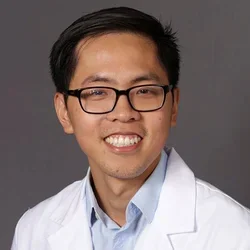
Fariba S. Younai, D.D.S.

Fariba S. Younai, D.D.S.

· Bob and Marion Wilson Endowed Chair, Professor of Clinical Dentistry, Chair of the Division of Diagnostic and Surgical Sciences

University of California, Los Angeles · Dentistry

Active 1988–2023

h-index15
Citations773
Papers393 last 5y
Funding
See your match with Fariba S. Younai, D.D.S. — sign in to PhdFit.Sign in

About

Fariba S. Younai, D.D.S., is a professor of clinical dentistry at UCLA School of Dentistry, holding the Bob and Marion Wilson Endowed Chair since 2023. She serves as the Chair of the Division of Diagnostic and Surgical Sciences and is part of the Section of Oral Medicine, Oral Pathology, and Orofacial Pain. Dr. Younai joined UCLA in 1997 and has a distinguished career focused on oral health issues in HIV infection. Her research interests include oral health care for HIV-positive patients, and she is the primary investigator of contracts related to this field, as well as a co-investigator and dental director of a HRSA-funded training grant supporting AIDS education and training centers in the Pacific region. She has contributed to the development of clinical training programs for community HIV/AIDS care providers and authored the oral health chapter for the National HIV Curriculum. Dr. Younai has also been actively involved in developing dental treatment guidelines for HIV-positive patients and has served as a faculty member of the American Academy of HIV Medicine. Her clinical practice provides comprehensive evaluation and management of oral soft tissue diseases, including mucocutaneous and immunologic disorders, premalignant conditions, and salivary gland diseases. Throughout her career, she has received numerous awards for her teaching, research, and community service, including the UCLA Distinguished Teaching Award and leadership recognitions from various health organizations.

Research topics

  • Information Retrieval
  • Computer Science
  • Internal medicine
  • Medicine
  • Dentistry
  • Immunology
  • Surgery
  • Data science
  • Physical therapy
  • Pathology

Selected publications

  • Integrating Medical Acupuncture and Intraoral Dry Needling Protocol for Radiation-Induced Xerostomia

    Journal of the California Dental Association · 2023 · 1 citations

    Senior authorCorresponding
    • Medicine
    • Dentistry
    • Physical therapy

    Clinical trials have shown that acupuncture may be effective in treating xerostomia.2 Acupuncture reduces symptoms related to xerostomia in patients who are refractory to current management such as pilocarpine.3 A 60-year old female patient presented with xerostomia after receiving radiation for adenoid cystic carcinoma. Patient reported attempting various treatment modalities to improve RIX that included but not limited to Pilocarpine prescription and over the counter saliva substitutes. After 3 months, patient decided to seek care at UCLA School of Dental Medicine’s Orofacial Pain Clinic for dental acupuncture treatment. We opted to utilize Dr Niemtzow’s protocol for this case study. Dr Richard Niemtzow, a colonel in the US Air Force, created an acupuncture protocol that is point precise to treat radiotherapy-induced xerostomia (RIX) for cancer patients.6 Per Dr Niemtzow’s medical acupuncture protocol, three auricular and four digital points were bilaterally placed for 45 minutes. Patient subsequently received intraoral dry needling protocol on two tongue and two palatal acupuncture points for two minutes. Treatment was repeated the next day. By including dental acupuncture after Dr Niemtzow’s protocol, saliva production increased by an average of two times more compared to Dr Niemtzow’s stand alone treatment. The intraoral acupuncture protocol may have additionally stimulated the parotid, submandibular, sublingual, and minor palatal salivary glands, resulting in an increase of salivary production. Studies have shown at least two neuropeptides, vasoactive intestinal peptide and calcitonin gene-related peptide, to be present in salivary glands that can stimulate salivary secretion.7 The intraoral dry needling protocol is an invaluable addition to provide relief from radiation-induced xerostomia. Further investigation with a larger patient population should be considered to standardize dental acupuncture.

  • 2021 JADA Reviewers List

    The Journal of the American Dental Association · 2022

    • Information Retrieval
    • Computer Science
    • Information Retrieval
  • “My gums are really red”

    Oxford University Press eBooks · 2020

    1st authorCorresponding
    • Medicine
    • Immunology
    • Dentistry

    Oral manifestations are among the earliest presentations of HIV infection. They appear during the course of HIV disease progression and immune deterioration and also in association with many sexually transmitted infections. In the era of effective retroviral therapies, HIV-related oral soft tissue lesions are seen in less frequently, and their presence may indicate undiagnosed HIV infection or treatment failure. Patients living with HIV and AIDS continue to experience salivary gland abnormalities, such as xerostomia, periodontal disease, and sexually transmitted human papilloma virus infection, which can increase their risk of developing oropharyngeal cancer. In addition to conventional adult gingivitis and periodontitis in persons living with HIV with immune recovery, unique features of severe periodontal disease can be associated with poorly controlled HIV.

  • ISSUE INFORMATION

    Journal of Dental Education · 2020-01-01

    paratextOpen access
  • UBE2C promotes the progression of head and neck squamous cell carcinoma

    Biochemical and Biophysical Research Communications · 2019-12-20 · 54 citations

    article
  • NeuroAIDS in Drug Abusers: Associations with Oral Manifestations

    2017-01-01

    book-chapter1st authorCorresponding
  • Current Trends in the Incidence and Presentation of Oropharyngeal Cancer

    Journal of the California Dental Association · 2016-02-01 · 5 citations

    article1st authorCorresponding

    The prevalence and behavior of oropharyngeal cancers have dramatically changed over the past 30 years. It is now clear that human papillomavirus (HPV) plays a major role in the incidence of head and neck cancers in the general population and among patients with HIV infection. This article reviews the current knowledge about oropharyngeal cancers for their epidemiology, pathogenesis, clinical behavior, treatment and prevention. This review further examines the subset of oropharyngeal cancers among the HIV-seropositive patients.

  • The clinical effectiveness of reflectance optical spectroscopy for the in vivo diagnosis of oral lesions

    International Journal of Oral Science · 2014-07-25 · 27 citations

    articleOpen access

    Optical spectroscopy devices are being developed and tested for the screening and diagnosis of oral precancer and cancer lesions. This study reports a device that uses white light for detection of suspicious lesions and green–amber light at 545 nm that detect tissue vascularity on patients with several suspicious oral lesions. The clinical grading of vascularity was compared to the histological grading of the biopsied lesions using specific biomarkers. Such a device, in the hands of dentists and other health professionals, could greatly increase the number of oral cancerous lesions detected in early phase. The purpose of this study is to correlate the clinical grading of tissue vascularity in several oral suspicious lesions using the Identafi® system with the histological grading of the biopsied lesions using specific vascular markers. Twenty-one patients with various oral lesions were enrolled in the study. The lesions were visualized using Identafi® device with white light illumination, followed by visualization of tissue autofluorescence and tissue reflectance. Tissue biopsied was obtained from the all lesions and both histopathological and immunohistochemical studies using a vascular endothelial biomarker (CD34) were performed on these tissue samples. The clinical vascular grading using the green–amber light at 545 nm and the expression pattern and intensity of staining for CD34 in the different biopsies varied depending on lesions, grading ranged from 1 to 3. The increase in vascularity was observed in abnormal tissues when compared to normal mucosa, but this increase was not limited to carcinoma only as hyperkeratosis and other oral diseases, such as lichen planus, also showed increase in vascularity. Optical spectroscopy is a promising technology for the detection of oral mucosal abnormalities; however, further investigations with a larger population group is required to evaluate the usefulness of these devices in differentiating benign lesions from potentially malignant lesions. A screening tool that uses multispectral light can help clinicians and dentists discriminate between oral cancer and other mouth diseases. The Identafi device uses three different types of light to diagnose abnormalities in the oral mucosa. Standard examinations of mouth lesions can be made with white light; violet light reveals tissue fluorescence and amber-green light can then reveal differences in blood supply between healthy and diseased tissues. Diana Messadi and her colleagues at the University of California, Los Angeles, School of Dentistry, USA, tested the device in 21 people with various oral lesions. The researchers also took tissue biopsies and measured levels of CD34, a marker for endothelial cells. They showed the reflectance of green-amber light correlated with the degree of cellular abnormality. This pilot study supports the use of Identafi for detecting cancerous and precancerous oral lesions.

  • Thirty years of the human immunodeficiency virus epidemic and beyond

    International Journal of Oral Science · 2013-10-18 · 20 citations

    reviewOpen access1st authorCorresponding

    After more than 30 years of battling a global epidemic, the prospect of eliminating human immunodeficiency virus (HIV) as the most challenging infectious disease of the modern era is within our reach. Major scientific discoveries about the virus responsible for this immunodeficiency disease state, including its pathogenesis, transmission patterns and clinical course, have led to the development of potent antiretroviral drugs that offer great hopes in HIV treatment and prevention. Although these agents and many others still in development and testing are capable of effectively suppressing viral replication and survival, the medical management of HIV infection at the individual and the population levels remains challenging. Timely initiation of antiretroviral drugs, adherence to the appropriate therapeutic regimens, effective use of these agents in the pre and post-exposure prophylaxis contexts, treatment of comorbid conditions and addressing social and psychological factors involved in the care of individuals continue to be important considerations. Expanded preventative and therapeutic efforts will be critical to maintaining the momentum in the fight against human immunodeficiency virus (HIV), concludes Fariba Younai of the University of California at Los Angeles, USA. Younai has reviewed the scientific and medical advances that help HIV patients in controlling their disease, as well as assist patients and health-care workers in containing the spread of this virus. She noted that existing treatments control but do not eliminate infection. Younai also listed causes for concern, including high disease burdens and mortality rates in the developing world. She explored the value of preventative strategies, such as drug prophylaxis to prevent HIV transmission by pregnant mothers to their children, and male circumcision. She also examined experimental efforts to eradicate latent viral reservoirs that might eventually give rise to AIDS.

  • HIV Discrimination in Dental Care: Results of a Testing Study in Los Angeles County

    Loyola of Los Angeles law review · 2012-06-01 · 5 citations

    articleOpen access

    Thirty years after HIV was first identified, for the majority of those infected in the United States, effective combination therapies to combat HIV have turned the disease into a manageable chronic condition. But HIV discrimination has still proven intractable in the field of health care. For example, a series of studies has revealed that 46 percent of skilled nursing facilities, 55 percent of OB/GYNs, and 26 percent of plastic surgeons in Los Angeles County refuse to provide services to any HIV-positive patient, in violation of state and federal law.\nThis Study examines HIV discrimination among dentists in Los Angeles County. For people living with HIV/AIDS (PLWHA), dental care is particularly important because problems in the mouth may be the first symptoms of an HIV infection and can also signify disease progression; routine, proper dental care can have a significant impact on oral and general health. This Study reveals that 5 percent of dentists in Los Angeles County have a blanket policy of refusing to accept any HIV-positive patient, which is substantially lower than the finding for other health care providers. However, this Study also suggests that PLWHA who are poor and the most vulnerable, including women and people of color, face higher rates of discrimination. This Study goes on to explain that dentists can effectively and safely treat PLWHA, and it identifies why they are legally and ethically obligated to provide such care. After reviewing prior social science research on HIV discrimination by dentists, this Study presents its methodology and findings. Finally, it concludes by exploring potential reasons for why the documented discrimination rate is lower for dentists than it is for other health care providers in Los Angeles County, and it argues that future enforcement and education efforts should be targeted toward specific categories of dentists.

Frequent coauthors

  • Marvin Marcus

    University of California, Los Angeles

    6 shared
  • Martin F. Shapiro

    Cornell University

    6 shared
  • Carl A. Maida

    University of California, Los Angeles

    5 shared
  • Diana V. Messadi

    University of California, Los Angeles

    5 shared
  • James R. Freed

    Health Education England

    5 shared
  • Denise Murphy

    University College Dublin

    4 shared
  • James J. Sciubba

    Johns Hopkins University

    4 shared
  • Claudia Der‐Martirosian

    4 shared

Awards & honors

  • 2023, Bob and Marion Wilson Endowed Chair – UCLA School of D…
  • 2016, Leadership Award – Los Angeles Commission on HIV and L…
  • 2015, Champion for Change Award – Los Angeles Quality and Pr…
  • 2013, Leadership Award –Los Angeles County Mental Health Tas…
  • 2009, Distinguished Teaching Award –UCLA Academic Senate Com…
  • Resume-aware match score
  • Save to shortlist
  • AI-drafted outreach

See your match with Fariba S. Younai, D.D.S.

PhdFit ranks faculty by your research interests, methods, and publications — grounded in their actual work, not templates.

  • Free to start
  • No credit card
  • 30-second signup