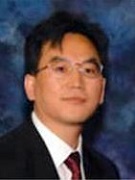
Fengshou Lan
· Assistant Professor of MedicineStony Brook University · Hematology and Oncology
Active 1999–2026
About
Dr. Fengshuo Lan, MD, PhD, is an Assistant Professor in Medicine at Stony Brook University with expertise in Hematology and Oncology. His research has focused on various aspects of blood and marrow transplantation, including the immune functions of T cells, natural killer T cells, and regulatory T cells, as well as their roles in graft-versus-host disease and tumor suppression. His work includes preclinical targeting of human T-cell malignancies using CD4-specific chimeric antigen receptor (CAR) T cells and investigating immune regulation mechanisms in transplantation settings. Dr. Lan's educational background includes fellowships at New York University School of Medicine and Memorial Sloan-Kettering Cancer Center, a residency at New York Medical College, and postdoctoral training at Stanford University School of Medicine and the Weizmann Institute of Science. He completed his doctoral program at Shanghai Medical University and holds a medical degree from Hubei University of Science and Technology. His extensive research contributions have advanced understanding of immune cell surface receptors, cytokine secretion, and immune functions, particularly in the context of transplantation and hematologic malignancies.
Research topics
- Immunology
- Medicine
- Cancer research
- Biology
- Internal medicine
Selected publications
High Incidence of Gvhd after Tapering Off Immunosuppression to Increase Donor T cell Chimerism
Transplantation and Cellular Therapy · 2026-02-01
articleBlood · 2025-11-03
articleSenior authorAbstract Introduction: According to Surveillance, Epidemiology, and End Results data, Diffuse Large B-Cell Lymphoma (DLBCL) is diagnosed at the median age of 67. Treatment decisions amongst older patients, especially over 75-year-old are challenging due to the poor tolerability of standard R-CHOP and the compromised efficacy of R-mini-CHOP. Patients and Methods: We retrospectively analyzed data from patients with DLBCL not otherwise specified (NOS) who were treated with frontline R-CDOP. The regimen included Rituximab 375mg/m2, Cyclophosphamide 750mg/m2, liposomal doxorubicin 30mg/m2 on day 1 and prednisone 100mg day 1-5, every 21 days a cycle, followed by granulocyte colony stimulating factor and preventive antibiotics support. Patients with transformed or other entities of DLBCL, or RCDOP as second line were excluded from this study. Clinical data included complete blood counts with differential, chemistry and clinical signs of cardiac failure, transfusion requirement, hospitalizations, positron emission tomography scans and clinical signs and symptoms of disease were analyzed. Deaths without evidence of disease relapse were counted as events Results: Ten patients' data (2 females, 8 males; 1 diagnosed at age of 47 with heart failure, the other 9, age from 71-86) were analyzed, 1 patients completed 4 cycles, one 5 cycles and the other 8 completed 6 cycles, none was given dose reduction. There was no worsening of cardiac congestion noted or events that compromised treatment. One showed partial response, the other 9 showed durable complete response. Three patients died without evidence of disease relapse (one from demenitia and 2 from secondary malignancies), 2 died from disease relapse. Overall survival and relapse-free survival at 5 years are both 50%. No patient died from the treatment. Conclusions: RCDOP as frontline appears tolerable for olderly with DLBCL NOS and gives durable response and long-term survival.
Blood · 2025-11-03
articleOpen accessSenior authorAbstract Introduction: R-CHOP (Rituximab, cyclophosphamide, doxorubicin, vincristine, and prednisolone) remains a frontline treatment for DLBCL. However, toxicity in older patients remains a challenge. Pegylated liposomal doxorubicin (PLD) compared with doxorubicin has demonstrated a more favorable hematologic toxicity profile in breast cancer treatment. Further data is needed to better establish efficacy and relative safety for PLD substitution in the R-CHOP regimen (R-CDOP). Patients and Methods: A retrospective review was conducted on patients with DLBCL not otherwise specified (NOS) who received treatment with either R-CHOP or R-CDOP at Stony Brook University Hospital between 2014 and 2025. Patients were identified by ICD-10 code C83.3 for DLBCL via TriNetX query. Three independent reviewers manually verified records and excluded cases other than DLBCL NOS such as DLBCL transformed from indolent lymphoma and high-grade B cell lymphoma or other entities. Patient demographics, response rate, overall survival (OS), disease free survival (DFS; events defined as radiographic progression; deaths without confirmed progression were censored), cell counts of baseline, start of cycle, and nadir counts were assessed. Significance testing was performed using the log-rank test for OS and DFS, two tailed t-test for quantitative variables, and Fisher's exact test for categorical variables without adjustment for multiple comparison. Results: Of 450 records screened, 18 patients treated with R-CHOP and 10 with R-CDOP were included for analysis. Patients in the R-CDOP group were older compared to the R-CHOP group (75.4 years vs 57.4 years at diagnosis; p < 0.01), and more likely to have non-GCB subtype (70% versus 44%, p = 0.03). The R-CDOP group had lower baseline ejection fraction (EF) than the R-CHOP group (59% versus 63%, p = 0.04). There was no significant difference in gender, IPI score, LDH, or BMI between the two populations. Each patient in the R-CHOP group completed 6 cycles and 8 in the R-CDOP group completed 6 cycles, one 5 cycles and one 4 cycles. Median OS and DFS were not reached in either group. 5-year DFS was similar (75% for R-CDOP vs 88% for R-CHOP) while OS was significantly lower in the R-CDOP group (5-year OS: 53% vs 94% for R-CHOP; p = 0.01). Rates of any-grade observed adverse events were comparable between R-CDOP and R-CHOP: anemia (100% vs 94%), thrombocytopenia (60% vs 56%), neutropenia (80% vs 72%), and heart failure exacerbation (10% vs 0%). Grade ≥3 toxicities were also similar: anemia (50% vs 22%), thrombocytopenia (40% vs 11%), neutropenia (60% vs 56%), and febrile neutropenia (20% vs 11%). In R-CDOP, neutrophil count declined from 9.67 to 4.14 k/μL by cycle 6 (p = 0.01), with no significant changes in hemoglobin, platelets, or nadir counts between cycles 1 and 6. Conclusions: Patients in the R-CDOP group demonstrated greater age, lower EF, and more aggressive disease subtype than those in the R-CHOP group. There was no evidence of increased hematopoietic or cardiac adverse events in the R-CDOP group compared to the R-CHOP group. DFS was comparable while the OS was lower in the R-CDOP group, suggesting death from non-relapse etiologies.
Frontiers in Medicine · 2025-04-17 · 2 citations
articleOpen accessNo new drugs have been approved for essential thrombocythemia (ET) treatment since the anagrelide approval in 1997. Ropeginterferon alfa-2b-njft (ropeg) is approved for polycythemia vera, providing a rationale for its use in ET. Its current dosing schema requires dose up-titrations with 50 mcg every 2 weeks and takes approximately 20 weeks to reach a plateau. The goal of this study is to assess the efficacy and safety of ropeg in ET using a higher initial dose and accelerated titration (HDAC) regimen. This is a single-arm, multicenter study in the US and Canada. Patients with ET receive ropeg at 250 mcg on Day 0, 350 mcg at Week 2, and 500 mcg from Week 4 onward with flexibility of dose adjustment. The primary endpoint is: platelets ≤400×10 9 /L, white blood cells <10×10 9 /L, improvement or non-progression of spleen size or major symptoms, and absence of hemorrhagic or thrombotic events, at months 10 and 13. Secondary endpoints include molecular response, safety and tolerability. A total of 91 patients were enrolled with 77 (84.6%) patients in the US and 14 (15.4%) in Canada. The last patient was enrolled on March 28, 2024. JAK2 V617F was found in 52 (57.1%) patients while CALR and MPL mutations in 34 (37.4%) and 5 (5.5%), respectively. As of November 12, 2024, the discontinuation rate was 8.8%. The study results will be available in mid-2025. This study will provide efficacy, tolerability and safety, molecular response and quality of life data that will be critical in assessing ropeg for ET treatment. Clinical trial registration ClinicalTrials.gov , identifier NCT05482971.
Targeting T-cell malignancies using anti-CD4 CAR NK-92 cells
Oncotarget · 2017-11-22 · 100 citations
articleOpen access// Kevin G. Pinz 1, * , Elizabeth Yakaboski 1, * , Alexander Jares 3 , Hua Liu 3 , Amelia E. Firor 1 , Kevin H. Chen 1 , Masayuki Wada 1 , Huda Salman 4 , William Tse 5 , Nabil Hagag 4 , Fengshuo Lan 4 , Elaine Lai-Han Leung 2 , Xun Jiang 1, 2 and Yupo Ma 1, 2, 3 1 iCell Gene Therapeutics LLC, Research & Development Division, Long Island High Technology Incubator, Stony Brook, NY 11790, USA 2 State Key Laboratory of Quality Research in Chinese Medicine, Macau Institute for Applied Research in Medicine and Health, Macau University of Science and Technology, Macau SAR, China 3 Department of Pathology, Stony Brook Medicine, Stony Brook University Medical Center, Stony Brook, NY 11794, USA 4 Department of Internal Medicine, Stony Brook Medicine, Stony Brook University Medical Center, Stony Brook, NY 11794, USA 5 Division of Hematology and Medical Oncology, James Graham Brown Cancer Center, University of Louisville Health Sciences Center, Louisville, KY 40202, USA * These authors have contributed equally to this work Correspondence to: Xun Jiang, email: sue.jiang@icellgene.com Yupo Ma, email: yupo.ma@icellgene.com Keywords: NK cells; immunotherapy; T-cell malignancies; chimeric antigen receptors Received: September 12, 2017     Accepted: October 25, 2017     Published: November 22, 2017 ABSTRACT Peripheral T-cell lymphomas (PTCLs) are a group of very aggressive non-Hodgkin’s lymphomas (NHLs) with poor prognoses and account for a majority of T-cell malignancies. Overall, the standard of care for patients with T-cell malignancies is poorly established, and there is an urgent clinical need for a new approach. As demonstrated in B-cell malignancies, chimeric antigen receptor (CAR) immunotherapy provides great hope as a curative treatment regimen. Because PTCLs develop from mature T-cells, these NHLs are commonly CD4 + , and CD4 is highly and uniformly expressed. Therefore, CD4 is an ideal target for PTCL CAR immunotherapy. To that effect, we created a robust third-generation anti-CD4 CAR construct (CD4CAR) and introduced it into clonal NK cells (NK-92). CD4CAR NK-92 cells specifically and robustly eliminated diverse CD4 + human T-cell leukemia and lymphoma cell lines (KARPAS-299, CCRF-CEM, and HL60) and patient samples ex vivo . Furthermore, CD4CAR NK-92 cells effectively targeted KARPAS-299 cells in vivo that modeled difficult-to-access lymphoma nodules, significantly prolonging survival. In our study, we present novel targeting of CD4 using CAR-modified NK cells, and demonstrate efficacy. Combined, our data support CD4CAR NK cell immunotherapy as a potential new avenue for the treatment of PTCLs and CD4 + T-cell malignancies.
Preclinical targeting of aggressive T-cell malignancies using anti-CD5 chimeric antigen receptor
Leukemia · 2017-01-11 · 182 citations
articleOpen accessThe outlook for T-cell malignancies remain poor due to the lack of effective therapeutic options. Chimeric antigen receptor (CAR) immunotherapy has recently shown promise in clinical trials for B-cell malignancies, however, designing CARs for T-cell based disease remain a challenge due to the shared surface antigen pool between normal and malignant T-cells. Normal T-cells express CD5 but NK (natural killer) cells do not, positioning NK cells as attractive cytotoxicity cells for CD5CAR design. Additionally, CD5 is highly expressed in T-cell acute lymphoblastic leukemia (T-ALL) and peripheral T-cell lymphomas (PTCLs). Here, we report a robust anti-CD5 CAR (CD5CAR) transduced into a human NK cell line NK-92 that can undergo stable expansion ex vivo. We found that CD5CAR NK-92 cells possessed consistent, specific, and potent anti-tumor activity against a variety of T-cell leukemia and lymphoma cell lines as well as primary tumor cells. Furthermore, we were able to demonstrate significant inhibition and control of disease progression in xenograft mouse models of T-ALL. The data suggest that CAR redirected targeting for T-cell malignancies using NK cells may be a viable method for new and complementary therapeutic approaches that could improve the current outcome for patients.
Novel anti-CD3 chimeric antigen receptor targeting of aggressive T cell malignancies
Oncotarget · 2016-08-02 · 112 citations
articleOpen access// Kevin H. Chen 1,* , Masayuki Wada 1,* , Amelia E. Firor 1 , Kevin G. Pinz 1 , Alexander Jares 2 , Hua Liu 2 , Huda Salman 3 , Marc Golightly 2 , Fengshuo Lan 3 , Xun Jiang 1 and Yupo Ma 1,2,4 1 iCell Gene Therapeutics LLC, Research & Development Division, Long Island High Technology Incubator, Stony Brook, NY, USA 2 Department of Pathology, Stony Brook Medicine, Stony Brook, NY, USA 3 Department of Internal Medicine, Stony Brook Medicine, Stony Brook University Medical Center, Stony Brook, NY, USA 4 Macau Institute for Applied Research in Medicine and Health, Macau University of Science and Technology, Macau, China * These authors have contributed equally to this work Correspondence to: Xun Jiang, email: // Yupo Ma, email: // Keywords : NK cells, immunotherapy, T cell malignancies, CD3CAR Received : May 29, 2016 Accepted : July 22, 2016 Published : August 02, 2016 Abstract Peripheral T-cell lymphomas (PTCLS) comprise a diverse group of difficult to treat, very aggressive non-Hodgkin’s lymphomas (NHLS) with poor prognoses and dismal patient outlook. Despite the fact that PTCLs comprise the majority of T-cell malignancies, the standard of care is poorly established. Chimeric antigen receptor (CAR) immunotherapy has shown in B-cell malignancies to be an effective curative option and this extends promise into treating T-cell malignancies. Because PTCLS frequently develop from mature T-cells, CD3 is similarly strongly and uniformly expressed in many PTCL malignancies, with expression specific to the hematological compartment thus making it an attractive target for CAR design. We engineered a robust 3 rd generation anti-CD3 CAR construct (CD3CAR) into an NK cell line (NK-92). We found that CD3CAR NK-92 cells specifically and potently lysed diverse CD3 + human PTCL primary samples as well as T-cell leukemia cells lines ex vivo. Furthermore, CD3CAR NK-92 cells effectively controlled and suppressed Jurkat tumor cell growth in vivo and significantly prolonged survival. In this study, we present the CAR directed targeting of a novel target - CD3 using CAR modified NK-92 cells with an emphasis on efficacy, specificity, and potential for new therapeutic approaches that could improve the current standard of care for PTCLs.
Refractory Adult Primary Autoimmune Neutropenia that Responded to Alemtuzumab
Internal Medicine · 2016-01-01 · 3 citations
articleOpen accessPrimary autoimmune neutropenia (P-AIN) is an extremely rare disease. The most effective treatment for primary P-AIN is a granulocyte colony-stimulating factor; however, no curative treatment has been reported. We herein report a case of an adult P-AIN patient with a relatively mild medical history (irrespective of the severe neutropenia) who showed a sustained hematological response over seventeen months after the initiation of treatment with subcutaneous Alemtuzumab.
Blood · 2015-12-03 · 18 citations
articleCorrespondingAbstract Background: TG-0054 (burixafor) is a potent and selective antagonist of human chemokine receptor CXCR4 that inhibits the binding of stromal-derived factor 1 (SDF-1). Interruption of the CXCR4/SDF-1 interaction prevents sequestration of CD34+ stem cells to the bone marrow and subsequently mobilizes these cells into the peripheral blood within 1 to 3 hours of drug administration. Materials and Methods: An open-label, phase II pilot trial was conducted in patients with multiple myeloma (MM), non-Hodgkin's lymphoma (NHL), or Hodgkin's lymphoma (HL) to evaluate the safety and stem cell mobilization of TG-0054 in combination with G-CSF. We planned to treat twelve patients with subcutaneous injections of 10 µg/kg/day G-CSF in the afternoon for 4 days. On the morning of Day 5, patients received 3.14 mg/kg TG-0054 and underwent large volume (18-24L) leukapheresis approximately 2 hours post-drug infusion. Patients were allowed by protocol to undergo leukapheresis for 1-5 days to obtain the predetermined target of ≥5.0 x 10⁶ CD34+ cells/kg. 9 of 12 patients have been treated thus far with a plan to treat 3 additional patients. Results: A planned interim analysis revealed that6 of the 9 patients treated thus far collected more than 10 x 106 CD34+ cells/kg in 1 leukapheresis session. 2 patients required 2 days to achieve the study endpoint, and 1 outlier patient who had received Revlimid only 1 week prior to peripheral blood CD34 analysis failed to mobilize stem cells until he was allowed 2 more weeks to recover from his Revlimid treatment. Burixafor was well tolerated, and there were no adverse events that were attributed to the drug. All of the patients engrafted promptly after melphalan (7 patients) or BEAM (2 patients) conditioning regimens. Conclusion: Burixafor in combination with G-CSF is a potent and well-tolerated mobilizer of stem cells into the peripheral blood, and with the exception of 1 outlier, was able to mobilize >5.0 x 10⁶ CD34+ cells/kg in 1-2 leukapheresis sessions in all patients treated thus far (median 1 day). This contrasts with our historical controls that required a median of 2-3 days to achieve a collection of ≥5.0 x 10⁶ CD34+ cells/kg. A total of 12 patients will be treated on this pilot study. These encouraging results warrant the further testing of this drug in a larger randomized clinical trial. Disclosures Hsu: Taigen Biotechnology: Employment. Chang:Taigen Biotechnology: Employment. Schuster:Taigen Biotechnology: Research Funding.
Leukemia · 2015-11-03 · 114 citations
article
Frequent coauthors
- 22 shared
Yupo Ma
Io Therapeutics (United States)
- 10 shared
Xun Jiang
Helmholtz Centre for Infection Research
- 10 shared
Alexander Jares
Stony Brook University
- 10 shared
Samuel Strober
Stanford University
- 9 shared
Defu Zeng
City Of Hope National Medical Center
- 8 shared
Nabil Hagag
Io Therapeutics (United States)
- 8 shared
Kevin G. Pinz
Io Therapeutics (United States)
- 8 shared
Huda Salman
Nahrain University
Education
M.D.
Stony Brook University
Ph.D.
Stony Brook University
- Resume-aware match score
- Save to shortlist
- AI-drafted outreach
See your match with Fengshou Lan
PhdFit ranks faculty by your research interests, methods, and publications — grounded in their actual work, not templates.
- Free to start
- No credit card
- 30-second signup