Resume-aware faculty matching

Find professors who actually fit you

Upload your resume. Four AI agents analyze your background, rank the faculty who fit, inspect their recent research, and help you draft outreach — grounded in their actual work, not templates.

Free to startNo credit cardCancel anytime
Top matches Balanced preset
Dr. Sarah Chen
Stanford · Interpretability · NLP
91
Dr. Marcus Holloway
MIT · Robotics · RL
84
Dr. Aisha Okonkwo
CMU · Fairness · HCI
82
Nova · Professor Researcher · re-ranking top 20…
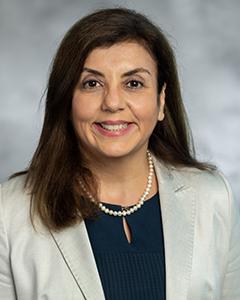
Hala Darwish

Hala Darwish

Verified

University of Michigan · Systems, Populations and Leadership

Active 1990–2025

h-index20
Citations1.3k
Papers8952 last 5y
Funding$51k
See your match with Hala Darwish — sign in to PhdFit.Sign in

About

Dr. Hala Darwish is an associate professor and assistant dean for community culture at the University of Michigan School of Nursing. She is a researcher in the fields of nursing science and cognitive neuroscience, with a focus on cognitive impairment and rehabilitation in neurocognitive disorders such as traumatic brain injury and Alzheimer’s disease. Her research encompasses basic science, translational, and clinical studies, investigating cognitive and affective functions, as well as cognitive fatigue. Dr. Darwish has received NIH training and individual research grants, and has presented her work at national and international forums. She is a member of the Michigan Concussion Center, affiliate of the Michigan Neuroscience Institute, and the first Neuroscience scholar within the School of Nursing. Additionally, she is a member of several professional organizations including the American Academy of Nursing, Sigma Theta Tau, and the Society for Neuroscience. Her contributions include authoring numerous research papers and leading research projects related to cognitive health and neurocognitive disorders.

Research topics

  • Medicine
  • Psychology
  • Internal medicine
  • Neuroscience
  • Clinical psychology

Selected publications

  • Dementia incidence among a cohort of lebanese older adults: first incidence estimates from the Middle East and North Africa region

    Frontiers in Dementia · 2025-01-07 · 5 citations

    articleOpen access

    Objective: To provide the first estimates of dementia incidence rates among elderly in Lebanon. Methods: The cohort established in 2013 consisted of 470 elderly from Beirut and Mount Lebanon, who consented to be followed-up. In 2017, we reached 341 participants/informants, achieving a response rate of 72.6%. The validated Arabic version of the 10/66 Dementia Research Group diagnostic tool was administered through face-to-face interviews. Direct age standardization was applied to the data using the Western European population distribution. Age-, sex- and location-specific incidence rates were estimated. Results: After 3.5 years of follow up, 19 new cases of dementia were identified among 229 surviving participants. The crude incidence rate was 16.8 per 1,000 p-y, and the age standardized rate was 20.5 per 1,000 p-y. The incidence rate increased with age, going from 6.5 for those aged 65-74 years to 54.0 for those aged 85-89 years. Incidence rate was higher among females than males (20.7 vs.12.0), and higher in Mount Lebanon, as compared to the capital city Beirut (19.5 vs.14.9). Conclusion: Dementia incidence rate was close to European and North American countries' estimates. The use of validated tools increased the internal validity of our results. A large cohort study is warranted to confirm these results.

  • The Perceptions of Foreign‐Born Arab Americans on Dementia and Mental Health Research: A Focus Group Study

    Alzheimer s & Dementia · 2025-12-01

    articleOpen access

    BACKGROUND: Arab Americans represent a rapidly growing subpopulation in the United States, with an estimated 3 million individuals. However, they face unique challenges in understanding and engaging in dementia and mental health research. Despite increasing recognition of these issues, there remains a scarcity of research focused on dementia and mental health within this community. Many Arab Americans hesitate to participate in research in general and in dementia and mental health research in particular, which hinders the efforts to understand and address their healthcare needs. Therefore, the aim of this study is to explore the perceptions and knowledge of foreign-born Arab Americans about research on dementia and mental health. METHODS: Three in-person focus group discussions (n = 12, n = 10, and n = 6 participants) were conducted in Arabic and English, guided by semi-structured interviews. A total of 28 participants (18 women) aged 30 years and older took part. The discussions were audio-recorded, transcribed, translated, and analyzed using Atlas.ti software. Inductive thematic analysis identified the commonly recurring themes. A concluding formal educational session was held to raise participants' awareness about the topic and answer their questions. RESULTS: A preliminary analysis of the focus groups revealed five major themes: a varied understanding of research and its purpose, a lack of awareness about early dementia symptoms, prevalent fears and stigma surrounding dementia and mental health, barriers to research participation, including lack of knowledge and apprehension, mistrust, and competing life priorities, and strategies to enhance participation, including community education, increased outreach programs, and incentives. CONCLUSIONS: Cultural factors play a critical role in Arabs' perceptions of research, dementia, and mental health. Participants valued the concluding educational session, which provided an opportunity to ask questions and engage in discussions. Addressing stigma through culturally tailored education, promoting research literacy, and increasing community engagement efforts are essential strategies for improving participation in dementia and mental health research. Future initiatives should prioritize trust-building, community-led interventions, and multilingual resources to ensure accessibility and inclusivity in healthcare research.

  • Dissociative Disorders

    2025-03-01

    book-chapterSenior author
  • Sleep–Wake Disorders

    2025-03-01

    book-chapter
  • Perceived Choice to Provide Care and Recognition of Dementia Symptoms: Impact on Caregivers’ Caregiving Experiences

    American Journal of Alzheimer s Disease & Other Dementias® · 2025-11-01

    articleOpen accessCorresponding

    Dementia affects over 55 million people worldwide, with more than 11 million informal caregivers providing care. Caregivers experience physical, psychological, and social stresses, making it crucial to understand their caregiving experience. This study assessed whether the caregivers’ perceived choice to provide care and recognition of dementia symptoms influenced their caregiving experiences. A secondary cross-sectional analysis was conducted using data from the National Alliance for Caregiving, including 927 caregivers. Caregiving experience was measured on a 5-point Likert scale. Chi-square tests and ordinal logistic regression were used. Caregivers who perceived they had a choice to provide care were significantly more likely to report positive experiences (ARR = 1.39, P ≤ .001). Recognition of dementia symptoms was not significantly associated with caregiving experience. However, the combination of perceived choice and recognition of dementia symptoms, particularly from one event, was associated with the most positive caregiving experiences. Findings suggest the need for caregiver choice-support and dementia education programs.

  • Our Environments: Reclaiming Nature in Psychiatric–Mental Health Nursing

    Journal of Psychosocial Nursing and Mental Health Services · 2025-12-31

    articleOpen access1st authorCorresponding

    hen the famous neurologist Oliver Sacks refl ected on four decades of clinical practice, he listed two nonpharmacological interventions as "vitally important" for people living with chronic neurological and psychiatric illnesses: music and gardens.In his New York Times essay "Th e Healing Power of Gardens" (Sacks, 2019, para.8), he stated: I cannot say exactly how nature exerts its calming and organizing eff ects on our brains, but I have seen in my patients the restorative and healing powers of nature and gardens, even for those who are deeply disabled neurologically.In many cases, gardens and nature are more powerful than any medication.

  • Vitamin D Deficiency Does Not Affect Cognition and Neurogenesis in Adult C57Bl/6 Mice

    Nutrients · 2024-09-02 · 3 citations

    articleOpen accessCorresponding

    Vitamin D deficiency is a global problem. Vitamin D, the vitamin D receptor, and its enzymes are found throughout neuronal, ependymal, and glial cells in the brain and are implicated in certain processes and mechanisms in the brain. To investigate the processes affected by vitamin D deficiency in adults, we studied vitamin D deficient, control, and supplemented diets over 6 weeks in male and female C57Bl/6 mice. The effect of the vitamin D diets on proliferation in the neurogenic niches, changes in glial cells, as well as on memory, locomotion, and anxiety-like behavior, was investigated. Six weeks on a deficient diet was adequate time to reach deficiency. However, vitamin D deficiency and supplementation did not affect proliferation, neurogenesis, or astrocyte changes, and this was reflected on behavioral measures. Supplementation only affected microglia in the dentate gyrus of female mice. Indicating that vitamin D deficiency and supplementation do not affect these processes over a 6-week period.

  • Resilience, mental health, sleep, and smoking mediate pathways between lifetime stressors and Multiple Sclerosis severity

    medRxiv · 2024-02-07 · 1 citations

    preprintOpen access

    Intro: Lifetime stressors (e.g., poverty, violence, discrimination) have been linked to Multiple Sclerosis (MS) features; yet mechanistic pathways and relationships with cumulative disease severity remain nebulous. Further, protective factors like resilience, that may attenuate the effects of stressors on outcomes, are seldom evaluated. Aim: To deconstruct pathways between lifetime stressors and cumulative severity on MS outcomes, accounting for resilience. Methods: Adults with MS (N=924) participated in an online survey through the National MS Society listserv. Structural Equation Modeling was used to examine the direct and indirect effect of lifetime stressors (count/severity) on MS severity (self-reported disability, relapse burden, fatigue, pain intensity and interference), via resilience, mental health (anxiety and depression), sleep disturbance, and smoking. Results: The final analytic model had excellent fit (GFI=0.998). Lifetime stressors had a direct relationship with MS severity (β=0.27, p<.001). Resilience, mental health, sleep disturbance, and smoking significantly mediated the relationship between lifetime stressors and MS severity. The total effect of mediation was significant (β=0.45). Conclusions: This work provides foundational evidence to inform conceptualization of pathways by which stress could influence MS disease burden. Resilience may attenuate effects of stressors, while poor mental health, smoking, and sleep disturbances may exacerbate their impact. Parallel with usual care, these mediators could be targets for early multimodal therapies to improve disease course.

  • Health-related quality of life and utilities among Lebanese patients with Multiple Sclerosis: A cross-sectional study

    Multiple Sclerosis and Related Disorders · 2024-04-16 · 3 citations

    articleOpen access

    OBJECTIVE: This study assessed the Health-Related Quality of Life (HRQoL) and utilities of Multiple Sclerosis (MS) patients in Lebanon using generic and MS-specific QoL instruments, categorized by disease severity, and explored factors associated with HRQoL. METHODS: This was a cross-sectional, retrospective HRQoL study collecting data through face-to-face interviews using the EQ-5D-5 L and the Multiple Sclerosis International Quality of Life (MusiQoL) questionnaires. We enrolled Lebanese patients aged ≥18 years, diagnosed with MS for >6 months. Patients were categorized by disease severity using the expanded disability status scale (EDSS) scores: 0-3 (mild MS), 4-6.5 (moderate MS), and 7-9 (severe MS). Bivariate and linear regression analyses were performed to study factors associated with HRQoL. RESULTS: A total of 210 patients (mean age: 43.3 years; 65.7 % females) were included. The mean EQ-5D-5 L utility score was 0.74. This score decreased significantly with disease severity (p < 0.001 for the trend): 0.93, 0.60, and 0.32 for mild, moderate, and severe MS, respectively. The mean MusiQoL global index score was 71.33 and was significantly lower for severe MS (58.68), than for moderate (65.23) and mild (77.80), (p < 0.001 for the trend). Higher educational level, lower EDSS scores, and longer disease duration were associated significantly with a higher EQ-5D-5 L utility (R2 = 0.67), while employment, lower EDSS scores, and decrease in cognitive difficulties were associated with better MusiQoL utility (R2 = 0.46). CONCLUSIONS: This study reveals a significant and gradual deterioration in HRQoL as MS progresses, resulting in low utility scores for patients with severe MS.

  • Quality of Educational Services and its Relation to Academic Satisfaction as Perceived by Nursing Students’ at Saft Elhoria Technical Health Institute.

    Damanhour Scientific Nursing Journal · 2024-12-01

    article1st authorCorresponding

    Background: Educational service quality significantly influences student satisfaction, and fosters a positive educational environment and enhances student satisfaction. It is vital for higher education institutions to remain competitive and growing. Aim: To assess the quality of educational service and its relation to academic satisfaction as perceived by nursing students at Saft Alhoria Technical Health Institute. Design: A descriptive correlational research design was utilized. Settings: The study was conducted at Saft Alhoria Technical Health Institute, El-Beheira Governorate. Subjects: All nursing students in the second year 530 of the academic year (2022-2023). Tools: Two tools were used: Tool I: Service Quality (SERVQUAL) Sheet, and Tool II: Nursing Students Academic Satisfaction Questionnaire. Results: less than half (47.6% & 45.7%) of studied nursing students had high and moderate levels of perceived educational service quality respectively. Also the majority (91.0%) of the studied nursing students reported a high perceived level of academic satisfaction. And there was a strong statistically significant positive association among total levels of academic satisfaction domains as perceived by studied nursing students (p<0.001). Conclusion: There was a strong statistically significant positive association between total quality educational service and total academic satisfaction as perceived by studied nursing students (p<0.001). Recommendations: Implement regular student surveys to assess satisfaction with the quality of educational services. Reusing of the research on a larger probability sample at different nursing colleges and universities to achieve generalizable results.

Recent grants

Frequent coauthors

  • Samia J. Khoury

    American University of Beirut Medical Center

    34 shared
  • Firas Kobeissy

    University of Florida

    29 shared
  • Silvia M. A. A. Evers

    Trimbos Institute

    20 shared
  • Natali Farran

    King's College London

    17 shared
  • Jalal Dahham

    Maastricht University

    11 shared
  • Rana Rizk

    11 shared
  • Hassan Hosseini

    Générale de Santé

    11 shared
  • Ingrid Kremer

    11 shared

Labs

  • University of Michigan School of NursingPI

Awards & honors

  • Fellow, American Academy of Nursing, 2018
  • International Organization of Multiple Sclerosis Research Aw…
  • Member of the Nursing Honor Society, Chi- Iota Chapter, Sigm…
  • Resume-aware match score
  • Save to shortlist
  • AI-drafted outreach

See your match with Hala Darwish

PhdFit ranks faculty by your research interests, methods, and publications — grounded in their actual work, not templates.

  • Free to start
  • No credit card
  • 30-second signup