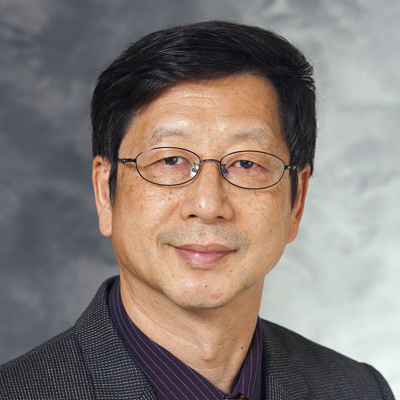
Jack J. Jiang
· Professor; Voice Research Training Program Co-DirectorUniversity of Wisconsin-Madison · Otolaryngology and Communication Sciences
Active 1983–2024
About
Jack J. Jiang is a Professor in the Department of Otolaryngology-Head and Neck Surgery at the University of Wisconsin–Madison. He holds an MD from Shanghai Medical University and a PhD in Speech Pathology and Audiology from the University of Iowa. His research focuses on objective assessments of pathological laryngeal function, laryngeal physiology, and the biomechanics of vocal fold vibration, utilizing studies on human subjects and medical instrumentation. Jiang is actively involved in developing noninvasive, reliable voice evaluation methods for patients with laryngeal pathology, including professional voice users and children. He serves as the co-director of the Voice Research Training Program and is the director of the Otolaryngic Biomedical Engineering Research Center and the Laryngeal Physiology Lab. Jiang has published over 330 original manuscripts related to voice measurement and disorders. He is also engaged in international collaborative and translational research efforts. His professional activities include serving on editorial boards for prominent journals such as The Laryngoscope, Journal of Otolaryngology-Head and Neck Surgery, Annals of Otology, Rhinology & Laryngology, and Journal of Voice. Since 1998, he has served on NIH study sections and was awarded a Presidential Early Career Award for Scientists and Engineers in 2001.
Research topics
- Medicine
- Surgery
- Acoustics
- Cell biology
- Immunology
- Microbiology
- Pathology
- Audiology
- Biology
Selected publications
Journal of Inflammation Research · 2021 · 34 citations
Senior authorCorresponding- Immunology
- Medicine
- Microbiology
The upper aerodigestive tract (UAT) is the first line of defense against environmental stresses such as antigens, microbes, inhalants, foods, etc., and mucins, intracellular junctions, epithelial cells, and immune cells are the major constituents of this defensive mucosal barrier. Laryngopharyngeal reflux (LPR) is recognized as an independent risk factor for UAT mucosal disorders, and in this review, we describe the components and functions of the mucosal barrier and the results of LPR-induced mucosal inflammation in the UAT. We discuss the interactions between the refluxate and the mucosal components and the mechanisms through which these damaging events disrupt and alter the mucosal barriers. In addition, we discuss the dynamic alterations in the mucosal barrier that might be potential therapeutic targets for LPR-induced disorders.
The Therapeutic Effects of Straw Phonation on Vocal Fatigue
The Laryngoscope · 2020 · 41 citations
Senior authorCorresponding- Medicine
- Audiology
- Surgery
OBJECTIVES: Straw phonation has been investigated for its vocal warm-up effects on healthy populations and therapeutic effects on voice patients. The purpose of this article was to determine whether it is beneficial for vocal fatigue. STUDY DESIGN: Prospective cohort study METHODS: Twenty-five healthy participants were recruited into 1-hour vocal loading tasks followed by 10-minute vocal rest or straw phonation on 2 different days. Various parameters including phonation threshold pressure (PTP), mean airflow, closed quotient (CQ), current speaking effort level (EFFT), and laryngeal discomfort (DISC) were acquired at baseline, after vocal load, and after the intervention. RESULTS: Increased PTP, EFFT, and DISC were observed after vocal load. Decreased PTP, EFFT, and DISC were then acquired after both vocal rest or straw phonation. More significant improvements were obtained in straw phonation when compared with vocal rest. Additionally, significantly increased mean flow and decreased CQ were obtained after straw phonation when compared to vocal rest. CONCLUSIONS: Straw phonation has the potential to adjust aerodynamics within the vocal tract leading to improved vocal efficiency, optimized vibration mode, and attenuated vocal fatigue. This study provided a promising treatment for vocal fatigue that could have wide clinical relevance to voice users with high voice demands. LEVEL OF EVIDENCE: 4 Laryngoscope, 130:E674-E679, 2020.
Recent grants
NIH · $2.8M · 2013
NIH · $311k · 2002
NIH · $1.5M · 2013
Optimization And Therapeutic Translation of Semi-Occluded Vocal Tract Techniques.
NIH · $1.6M · 2018–2025
NIH · $3.1M · 2018
Frequent coauthors
- 265 shared
W. Shi
State University of New York
- 264 shared
Z. Xie
King's College London
- 263 shared
J. Xia
Kavli Institute for the Physics and Mathematics of the Universe
- 260 shared
Michael Wilking
University of Minnesota System
- 260 shared
C. Wret
- 256 shared
Daniel Barrow
Laboratoire de Physique Nucléaire et de Hautes Énergies
- 256 shared
J. F. Hu
- 256 shared
Lukas Berns
Tohoku University
Education
- 1995
Post-doctoral Fellow, Department of Otolaryngology- Head and Neck Surgery
Northwestern University Feinberg School of Medicine
- 1991
Research and Teaching Assistant
National Center for Voice and Speech
- 1991
Ph.D., Speech Pathology and Audiology
University of Iowa
- 1986
Fellowship, Department of Otolaryngology
University of Iowa
- 1983
General Internship
Affiliated Huashan Hospital at Shanghai Medical University
Awards & honors
- Presidential Early Career Award for Scientists and Engineers…
Similar researchers at University of Wisconsin-Madison
- Resume-aware match score
- Save to shortlist
- AI-drafted outreach
See your match with Jack J. Jiang
PhdFit ranks faculty by your research interests, methods, and publications — grounded in their actual work, not templates.
- Free to start
- No credit card
- 30-second signup