Resume-aware faculty matching

Find professors who actually fit you

Upload your resume. Four AI agents analyze your background, rank the faculty who fit, inspect their recent research, and help you draft outreach — grounded in their actual work, not templates.

Free to startNo credit cardCancel anytime
Top matches Balanced preset
Dr. Sarah Chen
Stanford · Interpretability · NLP
91
Dr. Marcus Holloway
MIT · Robotics · RL
84
Dr. Aisha Okonkwo
CMU · Fairness · HCI
82
Nova · Professor Researcher · re-ranking top 20…
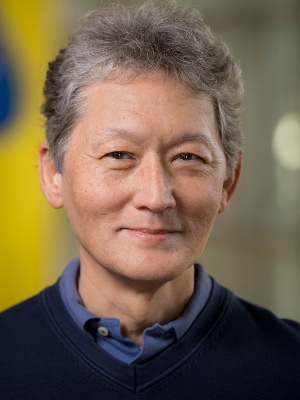
James Kadonaga

James Kadonaga

· Distinguished ProfessorVerified

University of California, San Diego · Molecular Biology

Active 1981–2025

h-index91
Citations35.6k
Papers1789 last 5y
Funding$51.1M1 active
See your match with James Kadonaga — sign in to PhdFit.Sign in

About

James T. Kadonaga is a researcher focused on transcriptional regulation and chromatin dynamics. His work emphasizes understanding the mechanisms of gene regulation, particularly the regulation of transcription by RNA polymerase II. His research explores the diverse DNA elements within the RNA polymerase II core promoter, such as the TATA box, initiator (Inr), downstream core promoter element (DPE), motif ten element (MTE), and others, analyzing their roles at the DNA level, their interaction with transcription factors, and their function within biological networks. Kadonaga's lab has contributed to identifying and characterizing core promoter elements in Drosophila and humans, utilizing advanced techniques including machine learning models to predict promoter activity and element presence. His studies extend to the evolution of transcription-related factors like TRF2 and their influence on bilateria evolution. In addition to transcription regulation, Kadonaga investigates chromatin structure and its influence on gene expression. His team discovered the prenucleosome, a stable conformational isomer of the nucleosome associated with active promoters, which may facilitate transcription by recurring disruption of nucleosomes. His research also includes the identification of factors such as NDF, a nucleosome-destabilizing factor that promotes RNA polymerase II transcription through chromatin, and the Dsup protein from tardigrades, which binds to nucleosomes and protects DNA from hydroxyl radical damage. Kadonaga's work provides significant insights into the molecular mechanisms of gene regulation, chromatin organization, and DNA protection, contributing to the broader understanding of gene expression in biological and biomedical sciences.

Research topics

  • Genetics
  • Biology
  • Artificial Intelligence
  • Computational biology
  • Cell biology
  • Computer Science
  • Nanotechnology
  • Materials science

Selected publications

  • Structural basis of nucleosome recognition by the conserved Dsup and HMGN nucleosome-binding motif

    Genes & Development · 2025-07-28 · 4 citations

    articleOpen access

    The tardigrade damage suppressor (Dsup) and vertebrate high-mobility group N (HMGN) proteins bind specifically to nucleosomes via a conserved motif whose structure has not been experimentally determined. Here we used cryo-EM to show that both proteins bind to the nucleosome acidic patch via analogous arginine anchors with one molecule bound to each face of the nucleosome. We additionally used the natural promoter-containing 5S rDNA sequence for structural analysis of the nucleosome. These structures of an ancient nucleosome-binding motif suggest that there is an untapped realm of proteins with a related mode of binding to chromatin.

  • Structural basis of nucleosome recognition by the conserved Dsup and HMGN nucleosome-binding motif

    bioRxiv (Cold Spring Harbor Laboratory) · 2025-01-08 · 2 citations

    preprintOpen access

    The tardigrade damage suppressor (Dsup) and vertebrate high mobility group N (HMGN) proteins bind specifically to nucleosomes via a conserved motif whose structure has not been experimentally determined. Here we used cryo-EM to show that both proteins bind to the nucleosome acidic patch via analogous arginine anchors with one molecule bound to each face of the nucleosome. We additionally employed the natural promoter-containing 5S rDNA sequence for structural analysis of the nucleosome. These structures of an ancient nucleosome-binding motif suggest that there is an untapped realm of proteins with a related mode of binding to chromatin.

  • The HMGN Proteins Are Transcriptional Regulatory Factors in Humans

    bioRxiv (Cold Spring Harbor Laboratory) · 2025-11-28

    preprintOpen accessSenior authorCorresponding

    The high mobility group N (HMGN) proteins, which were discovered over 50 years ago, are a multigene family of abundant nucleosome-specific binding factors that are present in all vertebrates. Despite their intriguing nucleosome-binding activity, the potential functions of the HMGN proteins in chromatin have not yet been assessed unambiguously due to the presence of several related HMGN genes in vertebrates and the lack of HMGN null cells. Here, we investigated the genome-wide activities of the human HMGN proteins by generating and analyzing an HMGN null cell line and isogenic HMGN rescue cell lines. These experiments revealed that the HMGN proteins function in the activation of gene expression at the level of transcription initiation at over a thousand specific sites that are mostly in promoters and enhancers. We additionally observed shared as well as unique functions of HMGN1 and HMGN2, which are likely to be the most abundant and ancient HMGN proteins. These findings thus indicate that the HMGN nucleosome-binding proteins are vertebrate-specific regulatory factors that primarily function in the activation of transcription initiation. Hence, any comprehensive model of vertebrate gene regulation should incorporate the contributions of the HMGN proteins, which are integral components of chromatin in all vertebrates.

  • Machine Learning Analysis of the Human Initiator Region Reveals Key Features of Different Types of Core Promoters

    bioRxiv (Cold Spring Harbor Laboratory) · 2025-11-24

    preprintOpen accessSenior authorCorresponding

    The initiator (Inr) is the starting point for the transcription of many genes. Here, we generated highly predictive machine learning models of the human Inr region, and determined that the Inr is present in about 60% of natural promoters, identified a novel TATA-specific Inr, and detected the overlapping but functionally distinct TCT motif. Quantitative genome-wide analyses revealed a strict and synergistic interaction between the Inr and DPR, a duality between the TATA and DPR, a flexible and sometimes independent function of the TATA box in relation to the Inr, and different properties of the TCT motif in humans and Drosophila .

  • A TLR4/TRAF6-dependent signaling pathway mediates NCoR coactivator complex formation for inflammatory gene activation

    Proceedings of the National Academy of Sciences · 2024-01-02 · 16 citations

    articleOpen access

    The nuclear receptor corepressor (NCoR) forms a complex with histone deacetylase 3 (HDAC3) that mediates repressive functions of unliganded nuclear receptors and other transcriptional repressors by deacetylation of histone substrates. Recent studies provide evidence that NCoR/HDAC3 complexes can also exert coactivator functions in brown adipocytes by deacetylating and activating PPARγ coactivator 1α (PGC1α) and that signaling via receptor activator of nuclear factor kappa-B (RANK) promotes the formation of a stable NCoR/HDAC3/PGC1β complex that coactivates nuclear factor kappa-B (NFκB)- and activator protein 1 (AP-1)-dependent genes required for osteoclast differentiation. Here, we demonstrate that activation of Toll-like receptor (TLR) 4, but not TLR3, the interleukin 4 (IL4) receptor nor the Type I interferon receptor, also promotes assembly of an NCoR/HDAC3/PGC1β coactivator complex. Receptor-specific utilization of TNF receptor-associated factor 6 (TRAF6) and downstream activation of extracellular signal-regulated kinase 1 (ERK1) and TANK-binding kinase 1 (TBK1) accounts for the common ability of RANK and TLR4 to drive assembly of an NCoR/HDAC3/PGC1β complex in macrophages. ERK1, the p65 component of NFκB, and the p300 histone acetyltransferase (HAT) are also components of the induced complex and are associated with local histone acetylation and transcriptional activation of TLR4-dependent enhancers and promoters. These observations identify a TLR4/TRAF6-dependent signaling pathway that converts NCoR from a corepressor of nuclear receptors to a coactivator of NFκB and AP-1 that may be relevant to functions of NCoR in other developmental and homeostatic processes.

  • Analysis of the<i>Drosophila</i>and human DPR elements reveals a distinct human variant whose specificity can be enhanced by machine learning

    Genes & Development · 2023-04-25 · 7 citations

    articleOpen accessSenior author

    The RNA polymerase II core promoter is the site of convergence of the signals that lead to the initiation of transcription. Here, we performed a comparative analysis of the downstream core promoter region (DPR) in Drosophila and humans by using machine learning. These studies revealed a distinct human-specific version of the DPR and led to the use of machine learning models for the identification of synthetic extreme DPR motifs with specificity for human transcription factors relative to Drosophila factors and vice versa. More generally, machine learning models could similarly be used to design synthetic DNA elements with customized functional properties.

  • Letters to the Editor

    Genes & Development · 2023-01-01

    articleOpen access1st authorCorresponding

    D ear Terri, it is a very special privilege and honor for me to write this note of thanks for your lasting and impactful contribution to the advancement of science through your 35 yr of service as the Editor of Genes & Development (which we all refer to, of course, as "G&D").Under your leadership, G&D quickly and very impressively rose to the top tier of journals in the biological sciences, and it has published countless landmark papers.I am very fortunate to be a coauthor on 28 G&D papers, which include a nice body of work on the RNA polymerase II core promoter as well as advances in diverse areas of chromatin dynamics and transcription.I was also very fortunate to have served on the G&D Editorial Board for 13 years (1994)(1995)(1996)(1997)(1998)(1999)(2000)(2001)(2002)(2003)(2004)(2005)(2006)(2007).In that capacity, I even had the questionable distinction of being the person who reviewed the most papers for G&D in one particular year.Key components of your success include your keen intellect, judgment, humility, integrity, vision, sense of humor, and appreciation of aesthetics.I have always felt good about submitting papers to G&D because I have confidence in you as a scientist, as an Editor, and as a person.In the spirit of a tribute to you and your work, I will use (or, perhaps more accurately, exploit) this unique opportunity to write two unconventional cover letters.For your perusal, they are on the following pages.

  • Perspectives on ATP-dependent chromatin remodeling

    ˜The œEnzymes · 2023-01-01 · 1 citations

    articleOpen access1st authorCorresponding
  • RANK ligand converts the NCoR/HDAC3 co-repressor to a PGC1β- and RNA-dependent co-activator of osteoclast gene expression

    Molecular Cell · 2023 · 21 citations

    • Biology
    • Cell biology
    • Genetics

    The nuclear receptor co-repressor (NCoR) complex mediates transcriptional repression dependent on histone deacetylation by histone deacetylase 3 (HDAC3) as a component of the complex. Unexpectedly, we found that signaling by the receptor activator of nuclear factor κB (RANK) converts the NCoR/HDAC3 co-repressor complex to a co-activator of AP-1 and NF-κB target genes that are required for mouse osteoclast differentiation. Accordingly, the dominant function of NCoR/HDAC3 complexes in response to RANK signaling is to activate, rather than repress, gene expression. Mechanistically, RANK signaling promotes RNA-dependent interaction of the transcriptional co-activator PGC1β with the NCoR/HDAC3 complex, resulting in the activation of PGC1β and inhibition of HDAC3 activity for acetylated histone H3. Non-coding RNAs Dancr and Rnu12, which are associated with altered human bone homeostasis, promote NCoR/HDAC3 complex assembly and are necessary for RANKL-induced osteoclast differentiation in vitro. These findings may be prototypic for signal-dependent functions of NCoR in other biological contexts.

  • NDF is a transcription factor that stimulates elongation by RNA polymerase II

    Genes & Development · 2022-03-01 · 3 citations

    articleOpen accessSenior author

    RNA polymerase II (Pol II) elongation is a critical step in gene expression. Here we found that NDF, which was identified as a bilaterian nucleosome-destabilizing factor, is also a Pol II transcription factor that stimulates elongation with plain DNA templates in the absence of nucleosomes. NDF binds directly to Pol II and enhances elongation by a different mechanism than that used by transcription factor TFIIS. Moreover, yeast Pdp3, which is related to NDF, binds to Pol II and stimulates elongation. Thus, NDF is a Pol II binding transcription elongation factor that is localized over gene bodies and is conserved from yeast to humans.

Recent grants

Frequent coauthors

  • Robert Tjian

    California Institute for Regenerative Medicine

    34 shared
  • Dmitry V. Fyodorov

    25 shared
  • Chin Yan Lim

    Agency for Science, Technology and Research

    21 shared
  • Alexandra Lusser

    Universität Innsbruck

    20 shared
  • Karen M. Robinson

    Marquette University

    17 shared
  • Làszlò Tora

    Centre National de la Recherche Scientifique

    16 shared
  • Mariya M. Kurshakova

    Engelhardt Institute of Molecular Biology

    16 shared
  • Е. Н. Набирочкина

    Institute of Gene Biology

    16 shared

Education

  • Ph.D., Chemistry

    Harvard University

    1984
  • S.B., Chemistry

    Massachusetts Institute of Technology

    1980
  • Resume-aware match score
  • Save to shortlist
  • AI-drafted outreach

See your match with James Kadonaga

PhdFit ranks faculty by your research interests, methods, and publications — grounded in their actual work, not templates.

  • Free to start
  • No credit card
  • 30-second signup