Resume-aware faculty matching

Find professors who actually fit you

Upload your resume. Four AI agents analyze your background, rank the faculty who fit, inspect their recent research, and help you draft outreach — grounded in their actual work, not templates.

Free to startNo credit cardCancel anytime
Top matches Balanced preset
Dr. Sarah Chen
Stanford · Interpretability · NLP
91
Dr. Marcus Holloway
MIT · Robotics · RL
84
Dr. Aisha Okonkwo
CMU · Fairness · HCI
82
Nova · Professor Researcher · re-ranking top 20…
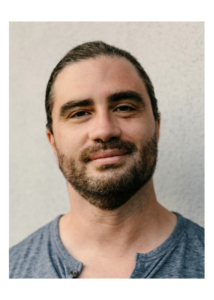
Jared Mcbride

Jared Mcbride

University of California, Los Angeles · History

Active 1901–2025

h-index9
Citations1.1k
Papers534 last 5y
Funding
See your match with Jared Mcbride — sign in to PhdFit.Sign in

About

Jared McBride is a historian specializing in Russia, Ukraine, and Eastern Europe in the 20th century. His research focuses on nationalist movements, mass violence, interethnic conflict, and war crimes prosecution related to both the Second World War and Cold War periods. He has a strong interest in the politics of archival research and access to freedom of information. His work has been supported by various foundations including the Harry Frank Guggenheim Foundation, the Fulbright-Hays Foundation, and the Social Science Research Council. McBride has published in several academic journals such as Holocaust and Genocide Studies, Journal of Genocide Research, and Slavic Review. Prior to his position at UCLA, he held post-doctoral positions at Columbia University, the United States Holocaust Memorial Museum, the Kennan Institute, and USC’s Shoah Foundation. He has directed and instructed courses on political violence, the Soviet Union, 20th-century Eastern Europe, the Second World War, and the intersection of history and film, including a year-long course that has been completed by over a thousand first-year students at UCLA. Currently, he is completing a book manuscript concerning interethnic violence and local perpetrators in Nazi-occupied western Ukraine.

Research topics

  • Medicine
  • Internal medicine
  • Genetics
  • Biology
  • Physics
  • Surgery
  • Gastroenterology
  • Gerontology
  • Physical therapy
  • Pediatrics

Selected publications

  • Impact of an Organ Recovery Center on Organ Utilization from Hospitals in Distressed vs Prosperous Communities

    American Journal of Transplantation · 2025-08-01

    article
  • Long Term Pulmonary Outcomes in Children With Congenital Lung Malformations

    2023

    • Medicine
    • Pediatrics
    • Internal medicine
  • Monitoring of Plasma Glucocorticosteroids as an Indicator of Noncompliance in Pediatric Renal Transplant Recipients

    2023-06-06

    book-chapter1st authorCorresponding

    In the past decade, patient noncompliance has been identified with increasing frequency as a cause of failure of long-term treatment regimens in tuberculosis, diabetes mellitus, hypertension, and rheumatoid arthritis. The adverse impact on the success of renal transplantation of noncompliance to prescribed immunosuppressive therapy was first reported in 1975. Since the advent of cyclosporine (CsA) and prednisone, used in combination in immunosuppression therapies, it has been recognized that the third leading cause of graft failure after allograft rejection and systemic infection is noncompliance. This chapter details that compliance tended to be much more of a problem with pediatric rather than adult patients. It establishes a rapid liquid chromatographic method for the glucocorticosteroids, prednisone, prednisolone, and Cortisol and application of this method to identification of noncompliance in pediatric renal transplant recipients who were receiving both CsA and prednisone.

  • Barriers and enablers to physical activity and aerobic fitness deficits among childhood cancer survivors

    Pediatric Blood & Cancer · 2020 · 42 citations

    • Medicine
    • Gerontology
    • Physical therapy

    BACKGROUND: Physical activity and aerobic fitness are modifiable risk factors for cardiovascular disease (CVD) after childhood cancer. How survivors engage in physical activity remains unclear, potentially increasing CVD risk. We assessed survivors' physical activity levels, barriers and enablers, fitness, and identified predictors of fitness and physical activity stage of change. METHODS: < 35 mL/kg/min: females). Multiple regression and mediator-moderator analysis were used to identify fitness predictors and stage of change. RESULTS: = 0.91, P < .001). Survivors with higher physical activity stage of change were male, lower body fat percentage, lower screen time, and lived with both parents (r = 0.42, P = .003). CONCLUSION: Aerobic fitness and physical activity of CCS is low compared with population norms, potentially increasing CVD risk. Addressing physical activity barriers and enablers, including reducing screen time, could promote regular physical activity, reducing CVD risk.

  • Pepsin as a Marker of Reflux Aspiration in Children With Esophageal Atresia: A Pilot Study

    Frontiers in Pediatrics · 2020 · 11 citations

    • Medicine
    • Gastroenterology
    • Internal medicine

    Salivary pepsin was detected in a large proportion of children with EA and was significantly associated with GERD symptoms or wheeze. The role of salivary pepsin as a potential non-invasive marker of reflux aspiration in children with EA needs further validation in future studies with larger cohorts.

  • An Investigation Of Physical Activity And Cardiorespiratory Fitness In Childhood Cancer Survivors.

    Medicine & Science in Sports & Exercise · 2018-05-01

    article

    PURPOSE: Survivors of childhood cancer experience an increasing incidence of late sequelae with age, with the effect on health likely compounded by limited physical activity and low cardiorespiratory fitness (CRF). This study aimed to determine survivors’ physical activity levels and to objectively measure CRF, compared with controls. METHODS:Stage 1: We collected physical activity data from parents of survivors aged 7-18 years, ≥5 years after diagnosis, from 11 Australian and New Zealand hospitals as well as from age-matched controls using the International Physical Activity Questionnaire. We compared moderate-vigorous physical activity levels with American Cancer Society guidelines (≥300 min/week). Stage 2: We then assessed CRF in survivors aged 8-18 years, ≥1 year after treatment completion, by cardiopulmonary exercise test using the Bruce Protocol, 6-minute walk test (6MWT), and self-reported fitness (International Fitness Scale). RESULTS:Stage 1: 192 parents of survivors (mean age=12.9±2.3 years) and 111 parents of control children (mean age=12.3±2.7 years) participated. Parents reported child survivors to participate in more physical activity than controls (248.4±217.6 vs 184.8±213.6 min/week, p=0.036), with 31% of child survivors meeting physical activity guidelines, compared with 22.7% of controls (p=0.011). Stage 2: To date, 11/42 survivors (mean age=10.7±6.2 years) and 10/42 controls (mean age=10.6±1.1 years) have completed comprehensive CRF assessments. Survivors appear to have similar CRF compared with controls in terms of VO2max (43.1 vs 46.8ml/kg/min, p=0.31; 47th vs 60th percentile, p=0.41) and 6MWT distance (737m vs 690m, p=0.07; 85th vs 78th percentile, p=0.43). Preliminary data suggest little difference in self-reported CRF (p=0.98) and overall fitness (p=0.07). CONCLUSION: Only one-third of young survivors of childhood cancer are meeting American Cancer Society’s physical activity guidelines. Preliminary data indicate similar fitness levels between survivors and age-matched controls. However, considering the increasing risk of late-effects during aging in survivors, regularly assessing physical activity and CRF provides clinicians with vital information to monitor and encourage survivors to mitigate risks by adopting a healthy lifestyle long-term.

  • P-19: Impaired Pulmonary Function and Ventilatory Limitation in Children With Successfully Repaired Oesophageal Atresia

    Diseases of the Esophagus · 2016-04-01

    article1st authorCorresponding

    Significant respiratory morbidity, such as aspiration and recurrent pneumonia occur commonly in young children with oesophageal atresia/tracheo-oesophageal fistula (OA/TOF). Despite clinical improvement with age, lung function may be irreversibly impaired. The role of cardiopulmonary exercise testing (CPET) in the assessment of children with OA/TOF is unknown. To assess lung function, exercise capacity and ventilatory reserve in OA/TOF children. Prospective evaluation of children ≥ 7 years attending a multidisciplinary OA/TOF clinic. Clinical assessment, spirometry and CPET (Bruce Treadmill Protocol) was performed when the child was clinically well. Eighteen children, aged 7.3–17.9 years, performed spirometry according to ATS guidelines. Fifteen children also performed a maximal CPET. BMI z-score range was −4.3–1.25. Thirty-nine percent experienced chronic cough/wheeze during the last year; 33% had a respiratory admission in the previous year; 11% asthma, 61% had a “TOF” cough, 50% experienced exercise limitation and 33% had undergone an aortopexy. Abnormal spirometry (FVC or FEV1 < 80%) was noted in 73% and an additional 3 children had distal airway obstruction (FEF25–75% < 80%). Normal exercise capacity was found in 14 children (93%). However ventilation limitation (defined as Ventilator Reserve <20% normal) was observed in 11 (73%). Perceived limitation had a sensitivity of 73%, PPV of 89% and NPV of 57%. Spirometry had a sensitivity of 81%, PPV of 100% and NPV of 67%. Our preliminary results suggest that perceived exercise intolerance and spirometry are insensitive assessments of ventilatory limitation. A negative history or spirometric evaluation does not exclude diminished breathing reserve.

  • A Multidisciplinary Approach to Adherence Improvement Using Education and Medication Boxes for Adolescents and Young Adults Who Have Undergone Allogeneic Hematopoeitic Stem Cell Transplantation

    Biology of Blood and Marrow Transplantation · 2011-02-01

    article1st authorCorresponding
  • Monocular amaurosis fugax as the heralding symptom of vasovagal syncope

    Heart Rhythm · 2010-04-29 · 1 citations

    articleSenior author
  • Analytical and Clinical Performance Characteristics of Hybritech’s Tandem-R free PSA Assay during a Large Multicenter Clinical Trial to Determine the Clinical Utility of Percentage of Free Prostate-specific Antigen

    Clinical Chemistry · 1999-10-01 · 7 citations

    articleOpen access

    Prostate-specific antigen (PSA) is present in serum in several forms, most importantly free PSA (FPSA) and PSA complexed to α1-antichymotrypsin (1)(2). These PSA forms are useful in assessing prostate disease (3)(4)(5). When PSA is >10 μg/L (ng/mL), the probability of prostate cancer is 50% (6); when PSA is between 4 and 10 μg/L, the probability of prostate cancer is 25%. Patients in the latter range are usually recommended for biopsy, but here the low specificity leads to many unnecessary biopsies. The percentage of FPSA (%FPSA) is used to enhance specificity. The relative proportion of FPSA in serum may range from 5% to 50% (7), but a lower %FPSA is associated with higher probability of prostate cancer (8). Published guidelines for the clinical use of %FPSA have been contradictory because of differences in assay systems and standardization, study designs, patient populations, and the number of subjects enrolled (9). A large well-controlled multicenter clinical trial was conducted to define a medically significant %FPSA cutpoint that would indicate the need for prostate biopsy. This report summarizes the assay performance from the largest clinical trial to date evaluating %FPSA in a patient population representative of those men in whom the test would be used in clinical practice. The data formed the basis for the Food and Drug Administration’s approval of Hybritech’s free PSA assays. Detailed clinical performance characteristics have been presented previously (10). The objective of this clinical trial was twofold: to evaluate the performance of Hybritech’s Tandem®-R free PSA assay as it is routinely used in laboratories, and to identify a %FPSA cutpoint with a high rate of cancer detection (clinical sensitivity) while avoiding unnecessary biopsies in men without …

Frequent coauthors

  • Denis O. Rodgerson

    30 shared
  • Peter J. Howanitz

    State University of New York

    13 shared
  • Leslie G. Dodd

    University of North Carolina at Chapel Hill

    9 shared
  • Gary Gitnick

    8 shared
  • S B Schotters

    University of California, Los Angeles

    6 shared
  • Marilyn Pisa

    University of California, Los Angeles

    5 shared
  • C. M. O'Donnell

    5 shared
  • Peter J Rodgerson

    Oklahoma State University Center for Health Sciences

    4 shared

Awards & honors

  • UCLA Alan D. Leve Center for Jewish Studies Research Grant (…
  • Northwestern University, Abramson Grant Research Fellowship…
  • US Holocaust Memorial Museum, Ben & Zelda Cohen Post-Doc Fel…
  • Woodrow Wilson International Center, Kennan Institute, Title…
  • USC Shoah Foundation, Margee and Douglas Greenberg Fellowshi…
  • Resume-aware match score
  • Save to shortlist
  • AI-drafted outreach

See your match with Jared Mcbride

PhdFit ranks faculty by your research interests, methods, and publications — grounded in their actual work, not templates.

  • Free to start
  • No credit card
  • 30-second signup