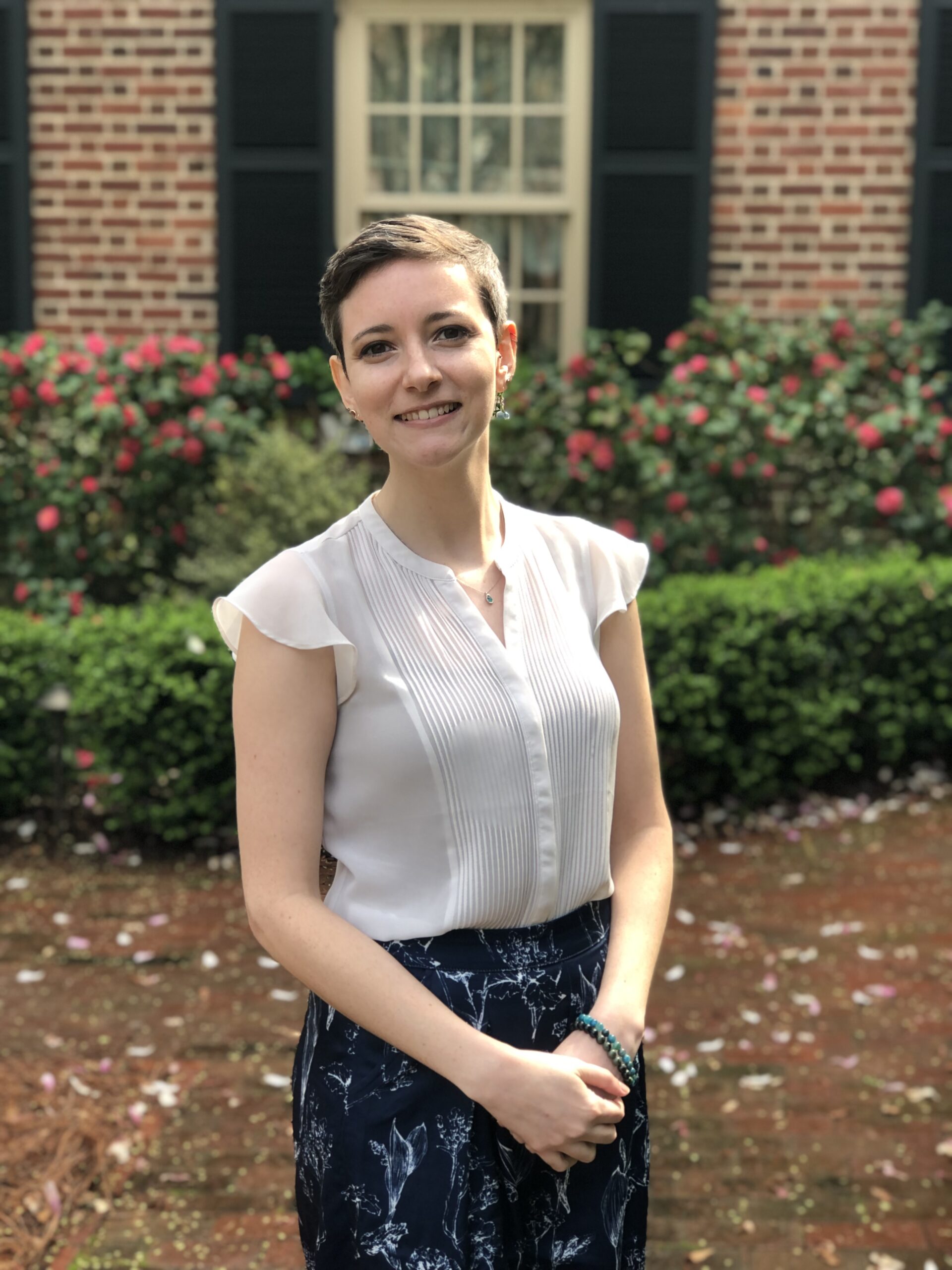
Jessica Beers
· Assistant ProfessorVerifiedUniversity of Washington · Pharmacy
Active 2021–2026
About
Dr. Jessica Beers is an assistant professor in the Department of Pharmacy at the University of Washington. She holds a Doctor of Philosophy (PhD) in Pharmaceutical Sciences from the University of North Carolina at Chapel Hill and a Doctor of Pharmacy (PharmD) from Lipscomb University College of Pharmacy. Her expertise includes drug metabolism, drug transporters, herbal medicines, mechanisms of drug interactions, microphysiological organ systems, pharmacokinetics and pharmacodynamics, pregnancy and fetal pharmacology, and translational research. Dr. Beers is passionate about drug safety in understudied populations. Her past research has focused on precision medicine, drug-induced liver injury, and using in vitro systems to predict drug metabolism and toxicity. Her current work combines basic and translational research to investigate drug metabolism and disposition in pregnancy and lactation.
Research topics
- Medicine
- Pharmacology
- Chemistry
- Biochemistry
- Biology
- Genetics
- Bioinformatics
- Internal medicine
- Computational biology
Selected publications
Journal of Pharmacology and Experimental Therapeutics · 2026-05-01
article1st authorCorrespondingJournal of Pharmacology and Experimental Therapeutics · 2025-03-01
article1st authorCorrespondingToxicology in Vitro · 2025-08-06 · 1 citations
articleOpen access1st authorCorrespondingTransporters and drug secretion into human breast milk
Expert Opinion on Drug Metabolism & Toxicology · 2025-02-02 · 4 citations
reviewOpen access1st authorINTRODUCTION: Medication use is highly prevalent in breastfeeding persons, posing potential risks for drug exposure to nursing infants. Transporters in the lactating mammary gland carry pharmacological and toxicological significance, as they can mediate the active transfer of drugs and nutrients into breastmilk. AREAS COVERED: In this narrative review, we searched and compiled current knowledge on the transport of drugs in the human mammary gland from literature indexed in PubMed (current as of 25 October 2024), and clinical evidence demonstrating active transport of drugs into milk is provided. In vitro and in vivo models of the mammary gland are outlined in brief and known drug transporters at the blood-milk barrier and their potential relevance to drug concentrations in milk are described in detail. EXPERT OPINION: Although clinical data show that membrane transporters mediate the transfer of multiple drugs into breast milk, our ability to predict milk concentrations for these drugs is limited. Improving our understanding of the transporter biology and pharmacology in the mammary gland is crucial for developing models to predict drug concentrations in human milk, which will support clinicians and lactating individuals in making rational decisions to balance the benefits of breastfeeding and the risks of drug exposure to infants.
A Review of CYP-Mediated Drug Interactions: Mechanisms and In Vitro Drug-Drug Interaction Assessment
UNC Libraries · 2024-02-03
reviewOpen access1st authorCorrespondingDrug metabolism is a major determinant of drug concentrations in the body. Drug-drug interactions (DDIs) caused by the co-administration of multiple drugs can lead to alteration in the exposure of the victim drug, raising safety or effectiveness concerns. Assessment of the DDI potential starts with in vitro experiments to determine kinetic parameters and identify risks associated with the use of comedication that can inform future clinical studies. The diverse range of experimental models and techniques has significantly contributed to the examination of potential DDIs. Cytochrome P450 (CYP) enzymes are responsible for the biotransformation of many drugs on the market, making them frequently implicated in drug metabolism and DDIs. Consequently, there has been a growing focus on the assessment of DDI risk for CYPs. This review article provides mechanistic insights underlying CYP inhibition/induction and an overview of the in vitro assessment of CYP-mediated DDIs.
CBD and THC in Special Populations: Pharmacokinetics and Drug–Drug Interactions
UNC Libraries · 2024-05-04
articleOpen accessCannabinoid use has surged in the past decade, with a growing interest in expanding cannabidiol (CBD) and delta-9-tetrahydrocannabinol (THC) applications into special populations. Consequently, the increased use of CBD and THC raises the risk of drug–drug interactions (DDIs). Nevertheless, DDIs for cannabinoids, especially in special populations, remain inadequately investigated. While some clinical trials have explored DDIs between therapeutic drugs like antiepileptic drugs and CBD/THC, more potential interactions remain to be examined. This review summarizes the published studies on CBD and THC–drug interactions, outlines the mechanisms involved, discusses the physiological considerations in pharmacokinetics (PK) and DDI studies in special populations (including pregnant and lactating women, pediatrics, older adults, patients with hepatic or renal impairments, and others), and presents modeling approaches that can describe the DDIs associated with CBD and THC in special populations. The PK of CBD and THC in special populations remain poorly characterized, with limited studies investigating DDIs involving CBD/THC in these populations. Therefore, it is critical to evaluate potential DDIs between CBD/THC and medications that are commonly used in special populations. Modeling approaches can aid in understanding these interactions.
Advances and Challenges in Modeling Cannabidiol Pharmacokinetics and Hepatotoxicity
Drug Metabolism and Disposition · 2024-01-29 · 13 citations
reviewOpen access1st authorCorrespondingBritish Journal of Clinical Pharmacology · 2024-09-24 · 2 citations
articleOpen accessAIMS: Serum, liver and urinary bile acids are increased, and hepatic transport protein levels are decreased in a non-clinical model of polycystic kidney disease. Similar changes in patients with autosomal dominant polycystic kidney disease (ADPKD) may predispose them to drug-induced liver injury (DILI) and hepatic drug-drug interactions (DDIs). Systemic coproporphyrin-I (CP-I), an endogenous biomarker for hepatic OATP1B function and MRP2 substrate, is used to evaluate OATP1B-mediated DDI risk in humans. In this clinical observational cohort-comparison study, bile acid profiles and CP-I concentrations in healthy volunteers and patients with ADPKD were compared. METHODS: Serum and urine samples from healthy volunteers (n = 16) and patients with ADPKD (n = 8) were collected. Serum bile acids, and serum and urine CP-I concentrations, were quantified by ultra-performance liquid chromatography tandem mass spectrometry (UPLC-MS/MS). RESULTS: Patients with ADPKD exhibited increased serum concentrations of total (1.3-fold) and taurine-conjugated (2.8-fold) bile acids compared to healthy volunteers. Specifically, serum concentrations of six bile acids known to be more hydrophobic/hepatotoxic (glycochenodeoxycholate, taurochenodeoxycholate, taurodeoxycholate, lithocholate, glycolithocholate and taurolithocholate) were increased (1.5-, 2.9-, 2.8-, 1.6-, 1.7- and 2.7-fold, respectively) in patients with ADPKD. Furthermore, serum CP-I concentrations were elevated and the renal clearance of CP-I was reduced in patients with ADPKD compared to healthy volunteers. CONCLUSIONS: Increased exposure to bile acids may increase susceptibility to DILI in some patients with ADPKD. Furthermore, the observed increase in serum CP-I concentrations could be attributed, in part, to impaired OATP1B function in patients with ADPKD, which could increase the risk of DDIs involving OATP1B substrates compared to healthy volunteers.
Clinical and Translational Science · 2024-12-01 · 2 citations
articleOpen accessVenetoclax is a first-in-class orally administered B-cell lymphoma-2 inhibitor used to treat chronic lymphocytic leukemia (CLL). Venetoclax is primarily metabolized in the liver by cytochrome P450 (CYP) 3A4 to its major metabolite M27, via M5, and M2, M3, and M4 via oxidation. Although venetoclax is a breakthrough in CLL treatment, managing drug safety and toxicity remains a clinical challenge. The objectives of this study were to investigate how individual CYP3A activity and protein expression affect hepatic venetoclax metabolism in vitro and examine whether plasma 4β-hydroxycholesterol (4β-HC)/cholesterol ratio can predict venetoclax metabolism in vitro and in vivo. In human liver microsomes (n = 20) and primary human hepatocytes (n = 15), venetoclax metabolite formation varied widely between donors and significantly correlated with CYP3A activity (midazolam 1'-hydroxylation) and CYP3A4 protein expression. Venetoclax metabolite formation positively correlated with 4β-HC/cholesterol ratio in plasma samples from the matched non-infant donors (n = 14, ages 3-63 years). In an observational pilot study of real-world patients with CLL (n = 12, ages 56-84 years) treated with venetoclax, the plasma M3/venetoclax metabolic ratio negatively correlated with plasma 4β-HC/cholesterol ratio and positively correlated with patient age. Plasma 4β-HC/cholesterol ratio negatively correlated with patient age. Differences between the in vitro data, which showed a positive association between venetoclax metabolism, hepatic CYP3A markers, and plasma 4β-HC/cholesterol ratio, and the in vivo findings in patients with CLL could be due to age or other factors regulating plasma 4β-HC/cholesterol and/or venetoclax disposition. Future studies with larger sample sizes are needed to investigate age-related changes in venetoclax metabolism and plasma 4β-HC/cholesterol ratio.
CBD and THC in Special Populations: Pharmacokinetics and Drug–Drug Interactions
Pharmaceutics · 2024-04-01 · 23 citations
reviewOpen accessCannabinoid use has surged in the past decade, with a growing interest in expanding cannabidiol (CBD) and delta-9-tetrahydrocannabinol (THC) applications into special populations. Consequently, the increased use of CBD and THC raises the risk of drug-drug interactions (DDIs). Nevertheless, DDIs for cannabinoids, especially in special populations, remain inadequately investigated. While some clinical trials have explored DDIs between therapeutic drugs like antiepileptic drugs and CBD/THC, more potential interactions remain to be examined. This review summarizes the published studies on CBD and THC-drug interactions, outlines the mechanisms involved, discusses the physiological considerations in pharmacokinetics (PK) and DDI studies in special populations (including pregnant and lactating women, pediatrics, older adults, patients with hepatic or renal impairments, and others), and presents modeling approaches that can describe the DDIs associated with CBD and THC in special populations. The PK of CBD and THC in special populations remain poorly characterized, with limited studies investigating DDIs involving CBD/THC in these populations. Therefore, it is critical to evaluate potential DDIs between CBD/THC and medications that are commonly used in special populations. Modeling approaches can aid in understanding these interactions.
Frequent coauthors
- 18 shared
Klarissa D. Jackson
University of North Carolina at Chapel Hill
- 5 shared
Jong‐Hwa Lee
- 4 shared
Jia Wang
Harbin Medical University
- 4 shared
Raeanne M. Geffert
- 3 shared
Zhu Zhou
York University
- 2 shared
Nina Isoherranen
University of Washington
- 2 shared
Joe A. Wrennall
University of North Carolina at Chapel Hill
- 2 shared
Lixuan Qian
York College, City University of New York
Education
Ph.D., Pharmaceutical Sciences
University of Washington School of Pharmacy
Other
University of North Carolina at Chapel Hill
Other
Lipscomb University College of Pharmacy
- Resume-aware match score
- Save to shortlist
- AI-drafted outreach
See your match with Jessica Beers
PhdFit ranks faculty by your research interests, methods, and publications — grounded in their actual work, not templates.
- Free to start
- No credit card
- 30-second signup