Resume-aware faculty matching

Find professors who actually fit you

Upload your resume. Four AI agents analyze your background, rank the faculty who fit, inspect their recent research, and help you draft outreach — grounded in their actual work, not templates.

Free to startNo credit cardCancel anytime
Top matches Balanced preset
Dr. Sarah Chen
Stanford · Interpretability · NLP
91
Dr. Marcus Holloway
MIT · Robotics · RL
84
Dr. Aisha Okonkwo
CMU · Fairness · HCI
82
Nova · Professor Researcher · re-ranking top 20…
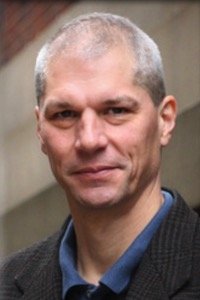
John Bischof

John Bischof

· Distinguished McKnight University Professor, Mechanical Engineering Medtronic-Bakken Endowed Chair for Engineering in MedicineVerified

University of Minnesota · Biomedical Engineering

Active 1972–2026

h-index66
Citations15.2k
Papers540130 last 5y
Funding$47.6M4 active
See your match with John Bischof — sign in to PhdFit.Sign in

About

John Bischof is a Distinguished McKnight University Professor in Mechanical Engineering at the University of Minnesota. His research focuses on thermal bioengineering, specifically biopreservation, thermal therapy, and nanomedicine. He works in areas including cryobiology, hyperthermic biology, nano-medicine, and thermal therapies, with a particular emphasis on cryo and biopreservation techniques. Bischof is also the Director of the Institute for Engineering in Medicine and the NSF Engineering Research Center Advanced Technologies for Preservation of Biological Systems (ATP-Bio), which launched in September 2020. He holds a Ph.D. in Mechanical Engineering from the University of California, Berkeley, earned in 1992, and has held various academic and professional roles at the University of Minnesota since 1993, including Associate Professor, Professor, and now Distinguished McKnight University Professor. Bischof has also held joint appointments and visiting professorships internationally, including in China and Germany. His contributions to the field have been recognized through numerous awards and honors, including the ASME Heat Transfer Award in 2024, fellowships in several professional societies, and multiple research awards. His teaching subjects include fluid dynamics, heat transfer, thermodynamics, and bioheat and mass transfer.

Research topics

  • Materials science
  • Chemical engineering
  • Medicine
  • Nanotechnology
  • Physics
  • Cell biology
  • Composite material
  • Chemistry
  • Biology
  • Biomedical engineering
  • Andrology
  • Biophysics
  • Mechanics
  • Optoelectronics
  • Metallurgy
  • Pathology
  • Genetics
  • Computational biology
  • Optics
  • Organic chemistry
  • Thermodynamics
  • Surgery

Selected publications

  • Inducing radiation resilience in frozen animal cells via mRNA coding for tardigrade damage-suppressor protein in support of space travel and Lunar storage

    Journal of Heredity · 2026-05-01

    article

    Earth's biodiversity is at risk. To help safeguard this biodiversity, a Lunar Biorepository at the Moon's south pole has been proposed to hold cryopreserved samples of fibroblast cells from animal species that support fundamental ecosystems on Earth. These samples could be used for revitalization of ecosystems on Earth, genetic rescue, space travel, or terraformation. Initially, samples will be primarily animal cells, but the biorepository would be designed to ultimately include all species on Earth. This biorepository will take decades to build and will potentially span millennia. To make this project a reality, certain prior steps must be taken, such as defining species selection and collection and sample management on Earth before launching in the biorepository. Many of the steps leading to the creation of this biorepository are known, with long-term radiation exposure and risk to the cells one of the greatest challenges to overcome. It is essential to understand the radiation sensitivity of cells and design strategies to avoid genetic modification to further protect cells from radiation during space travel and long-term storage. After considering various options, this review specifically focuses on exposing fibroblast cells to nanoparticles delivering modified mRNA tardigrade damage-suppressor protein. This protein minimizes DNA damage due to radiation without obvious harmful effects to the tissue and cells. This also could serve as a testbed to study countermeasures against the radiation effects during long-duration, crewed space flights.

  • Need for harmonized terminology in cryopreservation to support reproducibility, regulation, and translation

    Cryobiology · 2026-02-13

    articleOpen access

    As cryopreservation technologies continue to develop, the need for harmonized terminology across the multitude of disciplines where cryopreservation is applied is becoming increasingly acute. Terminology in cryopreservation remains inconsistent, leading to confusion and barriers to progress. Applications of cryopreservation in medicine, food, agriculture, and conservation remain limited by this lack of consensus. Inconsistent terminology contributes to ethical, legal, and societal issues in translating and integrating new cryopreservation technologies. Here we identify the problem with examples of cryopreservation terminology that demand harmonization. We describe the need for terminological consistency by providing examples of effective terminology harmonization projects in related fields. We propose next steps, highlighting the important role that professional societies should play to reach consensus on terminology among cryopreservation stakeholders and the broader cryobiology community.

  • Need for Harmonized Terminology in Cryopreservation to Support Reproducibility, Regulation, and Translation

    eYLS (Yale Law School) · 2026-01-01

    articleOpen access

    As cryopreservation technologies continue to develop, the need for harmonized terminology across the multitude of disciplines where cryopreservation is applied is becoming increasingly acute. Terminology in cryopreservation remains inconsistent, leading to confusion and barriers to progress. Applications of cryopreservation in medicine, food, agriculture, and conservation remain limited by this lack of consensus. Inconsistent terminology contributes to ethical, legal, and societal issues in translating and integrating new cryopreservation technologies. Here we identify the problem with examples of cryopreservation terminology that demand harmonization. We describe the need for terminological consistency by providing examples of effective terminology harmonization projects in related fields. We propose next steps, highlighting the important role that professional societies should play to reach consensus on terminology among cryopreservation stakeholders and the broader cryobiology community.

  • Scalable purification of iron oxide nanoparticles by tangential flow filtration for organ cryopreservation and transplantation

    2025-03-21 · 1 citations

    article1st authorCorresponding

    Cryopreservation of human scale organs appears increasingly possible after the recent successful transplant of cryopreserved rat kidneys. The initial cooling approach to achieve vitrification has been achieved using high concentration cryoprotective agents (CPAs) that are perfused within and around the organ since the mid 1980s. However, the ability to rewarm rapidly and uniformly enough to avoid ice formation (i.e. devitrification) and thermal stress induced cracking has remained a barrier. To address this, our group pioneered a technique called “nanowarming,” which deploys iron oxide magnetic nanoparticles into the vasculature of the organ along with the CPA followed by vitrification. Nanowarming requires iron oxide nanoparticles (IONPs) in CPA to be stable, high heating, biocompatible, cheap, and scalable. Previously, we have shown we can achieve this with silica-coated iron oxide nanoparticles (sIONPs) purified by ultracentrifugation method. However, the sIONP purification step has been identified as a limiting step. To address this, we demonstrate the use of tangential flow filtration (TFF) to replace the ultracentrifuge purification method.

  • Image detection-based high-throughput sorting of particles using traveling surface acoustic waves in microscale flows

    ArXiv.org · 2025-08-26

    preprintOpen access

    Large particle sorters have potential applications in sorting microplastics and large biomaterials (>50 micrometer), such as tissues, spheroids, organoids, and embryos. Though great advancements have been made in image-based sorting of cells and particles (<50 micrometer), their translation for high-throughput sorting of larger biomaterials and particles (>50 micrometer) has been more limited. An image-based detection technique is highly desirable due to richness of the data (including size, shape, color, morphology, and optical density) that can be extracted from live images of individualized biomaterials or particles. Such a detection technique is label-free and can be integrated with a contact-free actuation mechanism such as one based on traveling surface acoustic waves (TSAWs). Recent advances in using TSAWs for sorting cells and particles (<50 micrometer) have demonstrated short response times (<1 ms), high biocompatibility, and reduced energy requirements to actuate. Additionally, TSAW-based devices are miniaturized and easier to integrate with an image-based detection technique. In this work, a high-throughput image-detection based large particle microfluidic sorting technique is implemented. The technique is used to separate binary mixtures of small and large polyethylene particles (ranging between ~45-180 micrometer in size). All particles in flow were first optically interrogated for size, followed by actuations using momentum transfer from TSAW pulses, if they satisfied the size cutoff criterion. The effect of control parameters such as duration and power of TSAW actuation pulse, inlet flow rates, and sample dilution on sorting efficiency and throughput was observed. At the chosen conditions, this sorting technique can sort on average ~4.9-34.3 particles/s (perform ~2-3 actuations/s), depending on the initial sample composition and concentration.

  • Dielectric properties of individual cryoprotective agents and cocktails VS55, M22, DP6 at subzero temperatures for cryopreservation

    Scientific Reports · 2025-07-01 · 3 citations

    articleOpen access

    A range of electromagnetic (EM) rewarming approaches are being studied with the potential to enable organ cryopreservation. EM heating of materials, including cryoprotective agents (CPAs), is mainly governed by dielectric properties (dielectric constant ε'-polarization and dielectric loss ε″-energy dissipation). To design effective EM rewarming protocols for cryopreserved biomaterials, understanding the behavior of individual CPA components and their mixtures is essential. For instance, in dielectric rewarming CPA is the target for heating, while in nanowarming CPA is off target for heating. This study measured the dielectric properties as function of CPA mixture composition (mole fraction), frequency (0.2 to 3 GHz) and temperature (20° to - 40 °C). Dielectric properties were measured using an open-ended-coaxial-probe and vector analyzer inside a control-rate-freezer (CRF) producing subzero temperatures. Dielectric loss and constant were reported for common CPA mixtures (M22, DP6, VS55) at subzero temperatures and their components (DMSO, Formamide, EG, PG) and binary mixtures at room temperature. As temperature decreased below 0 °C, loss in M22, DP6, and VS55 decreased at higher frequencies (~ 3 GHz) and increased at lower frequencies (~ 200 MHz). We also found that dielectric loss of CPA mixtures can exceed that of individual components likely related to relaxation time and Hydrogen-bonding at the molecular level. This study aids in CPA development for EM rewarming approaches advancing organ cryopreservation.

  • 04-5: REVISION OF ORGAN ALLOCATION POLICIES AND ETHICAL CONSIDERATIONS FOR THE FUTURE OF ISLET TRANSPLANTATION USING CRYOPRESERVED HUMAN STEM CELL-DERIVED BETA CLUSTERS AND ISOLATED PANCREATIC ISLETS

    Transplantation · 2025-06-01

    article

    Introduction: In the past decade, advances in biopreservation, such as ex vivo normothermic machine perfusion and vitrification, have extended organ preservation from hours to potentially unlimited durations (Nat Commun 2023). A key breakthrough, the successful revival of human pancreatic islets after a year of vitrification, restores normal blood sugar levels (Nat Med 2022) and offers new possibilities for organ and tissue allocation. However, realizing these advancements requires policy changes to accommodate long-term preservation and the availability of organs for transplantation. Methods: While islet transplantation is an approved treatment for type 1 diabetes in the U.S., logistical challenges limit its widespread use. The combination of advanced biopreservation and the increasing availability of underutilized pancreata could allow for the creation of islet stockpiles, making islets accessible when needed, rather than relying on immediate use with limited viability. To make this vision a reality, system-level changes are necessary to ensure availability within the existing organ transplant framework. This will require the development of new capacities and governance structures. Policies should be grounded in ethical principles from organ donation, emphasizing 1) Safety (preventing adverse events and ensuring reliability of function despite donor variability); 2) Equitable distribution to suitable candidates (justice); and 3) Alignment with existing governmental and legal frameworks for organ acquisition and transplantation. Results: Advanced biopreservation introduces unique challenges, regarding safe and reliable islet donor selection, record-keeping, storage conditions, and quality control in biorepositories. Additionally, sub-zero preservation disrupts traditional notions of time and space, allowing islets to be recovered, isolated, and stored for transplantation anywhere in the world. Conclusions: Policy changes for acquisition, storage, and distribution of human islets should incorporate core bioethical principles. With advanced biopreservation technology already available, removal of time constraints on transplantable islets presents an opportunity to make them globally accessible. It is critical that the development of jurisdictional frameworks begins without delay.

  • Cryopreservation of Pig Kidneys Using a Novel Cryoprotectant Cocktail: A Viability Assessment

    American Journal of Transplantation · 2025-08-01

    article
  • Anticipatory Governance for the Next Frontier in Organ Preservation

    American Journal of Transplantation · 2025-08-01

    article
  • A call for harmonized terminology in cryopreservation: Supporting reproducibility, governance & commercialization

    Cryobiology · 2025-11-25

    article

Recent grants

Frequent coauthors

  • Harishankar Natesan

    Boston Scientific (United States)

    79 shared
  • Chris Dames

    72 shared
  • Jeunghwan Choi

    64 shared
  • Michael L. Etheridge

    59 shared
  • Kanav Khosla

    University of Minnesota

    53 shared
  • Wyatt Hodges

    Sandia National Laboratories

    52 shared
  • Mary Hagedorn

    Conservation Biology Institute

    51 shared
  • A. Hajry

    Najran University

    49 shared

Labs

Awards & honors

  • ASME Heat Transfer Award, 2024
  • International Academy of Medical and Biological Engineering,…
  • Society for Cryobiology Fellow, 2013
  • Van C. Mow Medal, ASME Bioengineering Division, 2012
  • American Society of Mechanical Engineers Fellow (ASME), 2007
  • Resume-aware match score
  • Save to shortlist
  • AI-drafted outreach

See your match with John Bischof

PhdFit ranks faculty by your research interests, methods, and publications — grounded in their actual work, not templates.

  • Free to start
  • No credit card
  • 30-second signup