Resume-aware faculty matching

Find professors who actually fit you

Upload your resume. Four AI agents analyze your background, rank the faculty who fit, inspect their recent research, and help you draft outreach — grounded in their actual work, not templates.

Free to startNo credit cardCancel anytime
Top matches Balanced preset
Dr. Sarah Chen
Stanford · Interpretability · NLP
91
Dr. Marcus Holloway
MIT · Robotics · RL
84
Dr. Aisha Okonkwo
CMU · Fairness · HCI
82
Nova · Professor Researcher · re-ranking top 20…
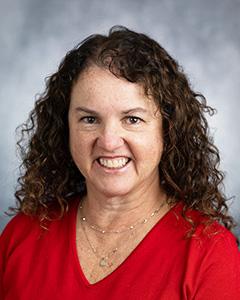
Karen  Harden

Karen Harden

Verified

University of Michigan · Systems, Populations and Leadership

Active 1967–2024

h-index9
Citations258
Papers3822 last 5y
Funding
See your match with Karen Harden — sign in to PhdFit.Sign in

About

Karen Harden DNP, RN, AOCNS, NC-BC is a Clinical Associate Professor and Director of Undergraduate Program in Nursing Sciences & Medical Surgical Education at the University of Michigan School of Nursing. She is a leader in clinical practice, teaching, and nurse coaching, with dedicated expertise in hematology, oncology, bone marrow transplant, and palliative care. Dr. Harden mentors faculty, supports curriculum development, and enhances clinical judgment through innovative teaching methods. She actively engages in Palliative Care education, expanding understanding through diverse programs at Michigan Medicine and the School of Nursing, while empowering nurses and supporting unit initiatives. Her formal clinical practice is conducted in the Center for Clinical Excellence in Nursing, where she collaborates with Michigan Medicine's Professional Development and Education department to implement large-scale initiatives aimed at improving nursing practice. Her philosophy of person-centered care underpins her impact in oncology, palliative care, nurse coaching, and student support. She is also involved in research and program development related to palliative care education and nurse coaching, contributing to the advancement of nursing practice and education.

Research topics

  • Medicine
  • Nursing
  • Psychology
  • Medical education
  • Physical therapy

Selected publications

  • Expanding the Toolbox: A Palliative Care Lecture Series for Oncology Advanced Practice Providers

    Journal of the Advanced Practitioner in Oncology · 2024-09-13

    articleOpen access

    Purpose: Initiation of early palliative care (PC) is vital in order to assure that the physical, psychological, spiritual, and social needs of patients and their families are addressed before, during, and after treatment for a serious illness. According to the World Health Organization, PC is patient-and family-centered care that optimizes quality of life by anticipating, preventing, and treating suffering. It is holistic care that addresses the physical, psychosocial, and spiritual needs of patients and their families. Methods: To improve early PC in the oncology setting, a free educational series was established for advanced practice providers (APPs). Evaluations were obtained and a post-survey was completed. Results: Evaluation results were positive; staff liked the case presentations and the topics covered. A post-survey was completed. Results demonstrated that most APPs were familiar with basic concepts of symptom management as well as the holistic needs of patients and their families. One area that did not improve was the concept that PC is compatible with aggressive treatment. Conclusions: A PC lecture series for APPs was well received by participants. Participants were able to demonstrate knowledge regarding delivery of PC but failed to understand that PC can be delivered simultaneously with aggressive therapy. Recommendations: Education regarding PC through the disease process and appropriate referrals to PC specialty need to be reinforced. Educating APPs in early PC is beneficial, and creative methods of teaching need to be further explored.

  • Clinical Judgment Measurement Model Helps Maximize Case-Based Didactic and Clinical Learning

    Nurse Educator · 2023-02-22 · 3 citations

    article1st authorCorresponding

    Clinical Assistant Professor, Department of Systems, Populations and Leadership, University of Michigan School of Nursing, Ann Arbor. Correspondence: Clinical Assistant Professor Karen Harden, Department of Systems, Populations and Leadership, University of Michigan School of Nursing, 400 North Ingalls St, Room 4108, Ann Arbor MI 48109 ([email protected]). The authors declare no conflicts of interest. Accepted for publication: February 2, 2023 Early Access: February 22, 2023

  • A randomized trial of a theory-driven model of health coaching for older adults: short-term and sustained outcomes

    BMC Primary Care · 2023-10-05 · 8 citations

    articleOpen access

    BACKGROUND: Healthy Lifetime, a theoretically driven, personalized health coaching program delivered electronically, including face-to-face videoconferencing, was developed to intervene in early aging to stave off functional decline and minimize the onset/exacerbation of chronic conditions. OBJECTIVE: To determine the efficacy of a theoretically driven, personalized health coaching program in participants 50 years and older with one or more chronic conditions using a randomized, controlled, pragmatic clinical trial methodology. METHODS: Participants were randomly assigned to the HL (n = 59) or a usual care (n = 63) group. The HL group received health coaching from a trained nurse over eight weeks. Outcomes were measured at baseline, eight weeks, and 20 weeks (after the 12-week no-treatment phase). Regression modeling with fixed-effect repeated measures was used to account for the longitudinal data collection. RESULTS: For the HL group, health habits increased at 8 weeks (3.1 units; SE = 1.0; p = .0005; effect size = .15). This difference was sustained at 20 weeks (2.4 units, SE = 0.2; p = .0005). Independent self-care agency improved at 8 weeks in individuals with high blood pressure (13.5 units; SE = 4.37; p = .0023; effect size = .3). However, that difference was not sustained at 20 weeks (p = .47). No significant improvements were shown in the usual care group at 8 weeks or 20 weeks. CONCLUSIONS: HL participants significantly improved their health habits at 8 weeks and sustained this improvement at week 20 (after a 12-week no-treatment phase) vs. the usual care group. Changing health habits alone has been shown to reduce all-cause morbidity and mortality in chronic disease. The high-functioning, community-dwelling older adults with chronic diseases we studied is an important target population for primary care practices to intervene early in aging to stave off the complications of chronic disease and functional decline. TRIAL REGISTRATION: ClinicalTrials.gov (record NCT05070923, 07/10/2021).

  • Case Studies: Person-Centered Health Coaching in People With Negative Social Determinants of Health

    AJPM Focus · 2023-05-18 · 4 citations

    articleOpen access

    •A science-based, nurse health coaching model was provided to older adult participants.•Social determinants may affect the types of goals, processes, and potential outcomes.•Health coaching can produce positive outcomes for people facing social risk factors.•Two outcomes seen were greater self-esteem and commitment to health behavior change. Social determinants of health are the conditions in the environment that influence health outcomes, such as housing, transportation, and neighborhoods. In this report, we examine 3 cases of participants with social risk factors who participated in a health coaching intervention study. The study was a science-based, nurse health coaching model provided to older adult participants in a Midwestern state designed to equip and empower them to achieve and maintain their health and optimum function to support independent living at home. The program was an 8-week virtual coaching method using weekly, 30-minute, 2-way video coaching sessions with participants. For each of the 3 cases, we describe the patterns of engagement, early and later health goals as coaching progressed, and the types of outcomes achieved. From these case studies, we illustrate how social determinants may affect the types of goals, processes, and potential outcomes achieved by participants of health coaching programs. From these insights, we propose directions in health policy and services and future research considerations. Social determinants of health are the conditions in the environment that influence health outcomes, such as housing, transportation, and neighborhoods. In this report, we examine 3 cases of participants with social risk factors who participated in a health coaching intervention study. The study was a science-based, nurse health coaching model provided to older adult participants in a Midwestern state designed to equip and empower them to achieve and maintain their health and optimum function to support independent living at home. The program was an 8-week virtual coaching method using weekly, 30-minute, 2-way video coaching sessions with participants. For each of the 3 cases, we describe the patterns of engagement, early and later health goals as coaching progressed, and the types of outcomes achieved. From these case studies, we illustrate how social determinants may affect the types of goals, processes, and potential outcomes achieved by participants of health coaching programs. From these insights, we propose directions in health policy and services and future research considerations.

  • Phases and Transitions of Serious Illness: A Structure for Teaching Palliative Care

    Journal of Nursing Education · 2023-05-01 · 1 citations

    article1st authorCorresponding

    Background: Palliative care (PC) focuses on listening to patient preferences, goals, and values to help health care providers educate, support, and collaborate during challenging disease processes, demanding treatments, and difficult decision-making. Method: A recently developed Phases and Transitions Model for Serious Illness helps guide nursing students in initiating therapeutic conversations about PC. Each phase and transition shows unique characteristics of illness and treatment to clarify the importance of introducing PC for that phase. Interventions in education, support, and treatment help students guide patients and families through the trajectory of serious illness. Results: The Phases and Transitions Model for Serious Illness and PC interventions provide a clear and practical structure to educate and empower nursing students to engage in PC conversations. Conclusion: Nursing educators can integrate this new model to broaden the perspective of PC as an everyday nursing practice for patients who have a serious illness. [ J Nurs Educ . 2023;62(5):279–284.]

  • Maintaining and Enhancing Nursing Students’ Pharmacology Knowledge to Improve Patient Safety

    Nurse Educator · 2022-12-21 · 3 citations

    article

    BACKGROUND: Nurses play a vital role in the medication administration process and are frequently involved in adverse drug events (ADEs). One identified cause of ADEs is lack of pharmacology knowledge received during their training and/or failure to maintain this core information: the latter cause has been described as skill decay. PURPOSE: The purpose of this quality improvement project was to implement an online pharmacology review program to maintain and/or improve nursing students' pharmacology knowledge, thus decreasing skill decay over the school's summer break. METHODS: Nursing students enrolled in a 4-year BSN program participated in a virtual pharmacology knowledge review program consisting of a pretest survey, learning modules, quizzes, and a final posttest survey. RESULTS: Comparisons showed statistical significance in test score improvement from pretest to posttest. CONCLUSIONS: This project demonstrates that a review program can enhance nursing students' pharmacology knowledge throughout their summer break. It adds to the limited data about the need for pharmacology programs to decrease skill decay.

  • Teaching in Times of Crisis Through a Palliative Care Lens

    Nursing Education Perspectives · 2022-08-02 · 1 citations

    articleSenior author

    ABSTRACT: The disruption of classroom and clinical education caused by the COVID-19 pandemic resulted in student distress and worry regarding the future of their education. Faculty trained in palliative care adapted the SPIKES mnemonic and applied it to real-time interactions with students in an effort to decrease distress and enable continued learning. Palliative care concepts, approaches, and techniques can be used to successfully facilitate faculty-student interactions during times of crisis and rapidly changing educational environments.

  • Healthy Lifetime (HL): An Internet-Based Behavioral Health Coaching Protocol for Older Adults

    Frontiers in Digital Health · 2022-04-22 · 7 citations

    articleOpen access

    By 2060, the number of Americans 65 years and older will more than double, comprising nearly one-quarter of the population in the United States. While there are many advantages to living longer, a byproduct of aging is also a growing incidence of chronic illness and functional health limitations associated with a concurrent rise in chronic disease and disability that impair independent living in the community. We describe a personalized, behavioral health coaching protocol for early intervention that is delivered online to enhance a participant's independent functioning and to increase their self-care capacity with a goal to maintain independent living throughout aging. The electronic platform provides secure access to fillable surveys, health tracking, "just in time" communication with coaches and scheduling of two-way videos launched from the platform site. The 2-month protocol used two-way video conferencing which allowed high fidelity communication to sustain a complex behavioral intervention. Participants indicate high satisfaction with the intervention, the use of the platform, and the technology. While many health systems across the U.S. have ramped up virtual delivery of care in a proactive manner with now more than 70% of out-patient visits conducted through virtual delivery modes in some health systems, there remains much unevenness in this capability across the U.S. Our approach is to create a stable, interoperable, virtual outreach system for personalized professional health coaching that is complementary to medically oriented services that supports the health and functioning of participants as they age.

  • Tolerance to oral anticancer agent treatment in older adults with cancer: A secondary analysis of data from EHRs and a pilot study of patient-reported outcomes

    Research Square · 2022-03-09

    preprintOpen access

    Abstract Background: More than 60% of cancer cases occur in older adults, and many are treated with oral anticancer agents (OAAs). Yet, OAA treatment tolerability in older adults has not been fully understood due to their underrepresentation in oncology clinical trials, creating challenges for treatment decision-making and symptom management. The objective of this study was to investigate the tolerance of capecitabine, an OAA, in older adults with cancer and explore factors associated with capecitabine-related side effects and treatment changes, to enhance supportive care. Methods : A secondary analysis used combined data from electronic health records and a pilot study of patient-reported outcomes, with a total of 97 adult patients taking capecitabine during 2016-2017, including older adult patients aged 65 years or older (n=43). The data extracted included patient socio-demographics, capecitabine information, side effects, and capecitabine treatment changes (dose reductions and dose interruptions). Bivariate correlations, negative binomial regression, and multiple linear regression were conducted for data analysis. Results : Older adults were more likely to experience fatigue (86% vs. 51%, p =.001) and experienced more severe fatigue ( β =0.44, p =.03) and HFS ( β =1.15, p =.004) than younger adults. The severity of fatigue and HFS were associated with the number of outpatient medications ( β =0.06, p =.006) and the duration of treatment ( β =0.50, p= 0.009), respectively. Correlations among side effects presented differently between younger and older adults. Older adults also tended to be more likely to experience dose reductions (21% vs. 13%) and dose interruptions (33% vs. 28%) than younger adults. Females, breast cancer diagnosis, capecitabine monotherapy, and severe HFS were found to be associated with dose reductions ( ps< 0.05). Conclusions : Older adults were less likely to tolerate OAA treatment and had different co-occurring side effects compared to younger adults. While dose reductions are common among older adults, age 65 years or older may not be an independent factor of treatment changes. Other socio-demographic and clinical factors may be more likely to be associated. Future studies can be conducted to further explore older adults’ tolerance to a variety of OAAs to generate more evidence to support optimal OAA treatment decision-making and symptom management among older adults.

  • Running on Empty: Diminished Empathetic Reserve in Frontline Nurses.

    PubMed · 2022-04-01 · 1 citations

    articleSenior author

    The COVID-19 pandemic has created a global health crisis. Novel and intolerable pressures have been placed upon nurses affecting their capacity to provide care. The aim of this exploratory study was to determine the impact of the COVID-19 pandemic on nursing care delivery, the empathetic response of nurses to their patients and family members, and the emotional and physical well-being of the nurses. Four frontline nurses were interviewed while in the midst of the pandemic. Common themes emerged from analysis of the nurses' narratives and included changes in role, increased workload, depersonalized and mechanical care delivery, communication challenges with patient and family members, deficits in palliative care education, perceived poor administrative support, and physical/emotional exhaustion. Clinical leaders and nursing staff have opportunities to engage in supportive endeavors, which can restore focus and regain positive perceptions, strengthen coping skills, and deliver palliative care education in response to the ongoing challenges and stressors created by the COVID-19 pandemic. Together, they can build resilience in frontline nurses and ultimately impact delivery of compassionate and empathetic care to patients.

Frequent coauthors

  • Laura Prochnow

    Universidade de Santa Cruz do Sul

    10 shared
  • Deborah Price

    10 shared
  • Penny Riley

    Centre for Nursing Innovation

    9 shared
  • Bidisha Ghosh

    University of Michigan–Ann Arbor

    7 shared
  • Heidi Mason

    7 shared
  • April Bigelow

    6 shared
  • Sarah Jarvis

    University of Toronto

    5 shared
  • Candia Laughlin

    University of Michigan–Ann Arbor

    5 shared

Labs

  • Healthy Lifetime Nurse Coaching Research ProgramPI

Education

  • Doctor of Nursing Practice, School of Nursing

    Duke University

    2017
  • Master of Science, School of Nursing/Rackham Graduate School

    University of Michigan–Ann Arbor

    1991
  • BSN, Hope Calvin Nursing

    Hope College

    1988

Awards & honors

  • Advanced Oncology Clinical Nurse Specialist (AOCNS) (2005 –…
  • Blood and Marrow Transplant Certified Nurse (BMTCN) (April 2…
  • Board Certified Nurse Coach (NC-BC) (2023 - present)
  • Faculty DAISY Award for Extraordinary Nursing Faculty in Mem…
  • Resume-aware match score
  • Save to shortlist
  • AI-drafted outreach

See your match with Karen Harden

PhdFit ranks faculty by your research interests, methods, and publications — grounded in their actual work, not templates.

  • Free to start
  • No credit card
  • 30-second signup