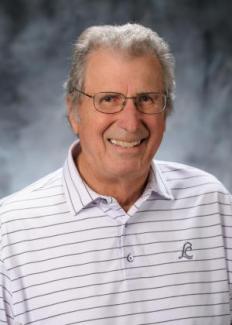
Michael T. Bowers
VerifiedUniversity of California, Santa Barbara · Chemistry and Biochemistry
Active 1966–2026
About
Michael T. Bowers is a Distinguished Professor in the Department of Chemistry & Biochemistry at the University of California, Santa Barbara. His research is centered on the determination of the structure, reaction dynamics, and reaction mechanisms of exotic species in the gas phase, utilizing state-of-the-art ion beam technologies and methodologies developed in his lab. His work combines experimental and theoretical approaches, bringing a chemical physics outlook to problems of chemical and biological interest. His current research focuses on two broad areas: nanoclusters and materials, and conformations, energetics, and hydration of macromolecular systems. In the nanocluster/materials area, he investigates size-selected metal clusters, their binding energies to catalytically important ligands, and their connection to chemistry on semiconductor surfaces. His projects also include developing conducting organic films for electronic devices and studying the energetics and mechanisms of small sea salt clusters. In the realm of macromolecular systems, his work involves structural and conformational mapping of polymers, and biological systems such as peptides and oligonucleotides, with particular interest in misfolding and aggregation phenomena related to diseases like Alzheimer's. Dr. Bowers has made significant contributions to the field of mass spectrometry and chemical physics, with numerous publications and awards recognizing his impact.
Research topics
- Chemistry
- Atomic physics
- Crystallography
- Computer science
- Computational chemistry
Selected publications
Journal of the American Chemical Society · 2026-05-12
articleSenior authorCorrespondingNACore peptides, derived from the hydrophobic core region of α-synuclein, serve as a critical model for understanding amyloid fibril formation, a hallmark of neurodegenerative diseases such as Parkinson's. This study integrates atomic force microscopy (AFM), ion mobility-mass spectrometry (IM-MS), and molecular dynamics (MD) simulations to investigate the structural dynamics of NACore aggregation under varying conditions of time, concentration, and pH. The results reveal distinct concentration-dependent aggregation pathways, where stable early-stage oligomers such as tetramers and hexamers form at low concentrations while fibril formation predominates at higher concentrations. A subtle change in environmental pH significantly modulates these pathways: neutral pH (7.4) facilitates the formation of diverse and relatively stable oligomeric species, including hexamers and octamers, while basic pH (8.0) stabilizes tetramers as off-pathway intermediates that may delay fibril formation. Conversely, at acidic pH (6.8), oligomerization is limited, with the system predominantly remaining monomeric and small, with unstable oligomers likely acting as fibril precursors. AFM and IM-MS characterize oligomer size and stability, while MD simulations highlight the molecular stability of cylindrin-like tetramers and hexamers. These findings emphasize the complexity of NACore aggregation and provide valuable insights into oligomer formation pathways, thereby providing opportunities to design potential therapeutic strategies targeting specific intermediates to modulate amyloid formation.
One Size Fits Small: The Narrow Utility for Plasma Metagenomics
The Journal of Applied Laboratory Medicine · 2025-01-01 · 9 citations
articleOpen accessMetagenomic sequencing of plasma has been advertised by Karius, Inc. as a way to diagnose a variety of infectious syndromes. Due to the lack of robust evidence of clinical utility, our laboratory began actively stewarding Karius testing. Microbiology Directors recommended cancelation of Karius orders when certain criteria were identified. We set out to review Karius test requests in a 52-month period of stewardship, during which we recommended cancellation on 21 of 57 orders (37%). Of Karius tests sent on samples with negative conventional testing, only 3 (7%) had positive results for Karius with plausible explanatory etiologies. Of these three cases, two were empirically covered for the positive finding without improvement and one case was never treated. Twelve (29%) had positive results that were noted by infectious diseases (ID) to reflect insignificant detections. Given the 4-fold higher detection of insignificant Karius results, we set out to systematically analyze the literature for the experience of insignificant detections at other centers. When we compared studies that included healthy controls or had clinical adjudication of positive Karius findings by ID physicians, we found a median of 17.5% of individual patients that had positive insignificant detections of potential pathogenic bacteria or fungi. The most frequently detected species were as likely to be clinically adjudicated to be insignificant as they were to be significant within the same studies. Overall, these findings highlight limited utility of Karius testing and a need for careful stewardship, not only to ensure it is sent on patients who may benefit, but also to ensure results of potential pathogens are interpreted cautiously.
Professor Dr. Shuying Liu (1943.1–2023.11): A Devoted Mass Spectrometrist and Esteemed Mentor
Journal of the American Society for Mass Spectrometry · 2025-01-01
articleSenior authorCorrespondingA year has gone by, and it is still hard to believe that Dr. Shuying Liu had left us on November 22, 2023. Most her colleagues and friends remember vividly her passionate images captured in the talk she filmed for the Chinese Mass Spectrometry Conference 2020-2023 in June 2023. In that video, Dr. Liu reviewed the progresses made in China's mass spectrometry field over the last 40 years and urged young mass spectrometrists to continue the work and forge an even more luminous future. Dr. Liu dedicated nearly 60 years to mass spectrometry research since 1965. As a renowned scholar, a professor of the Changchun Institute of Applied Chemistry, Chinese Academy of Sciences, and Changchun University of Chinese Medicine and the founder of Jilin Ginseng Academy, Dr. Liu was a frequent and inspiring presence at academic conferences. Dr. Liu's talk, as always, resonated deeply with the audience, but nobody knew that would be the very last talk presented by her. Her demeanor was brimming with the same zest that had always characterized her presence, which made the disheartening news of her passing particularly jarring. Coming to terms with her departure is no easy feat; we find solace in envisioning her still in our midst, tirelessly dedicating herself to the mass spectrometry research she so deeply cherished.
The Journal of Physical Chemistry B · 2025-08-04 · 1 citations
articleSenior authorCorrespondingThe pathological aggregation of TAR DNA-binding protein of 43 kDa (TDP-43) is a hallmark of amyotrophic lateral sclerosis, and mutations within its low-complexity domain are known to influence its aggregation propensity and toxicity. Previous studies from our group and others have shown that TDP-43307–319 located at the C-terminus of TDP-43 is toxic and can form higher-order oligomers and fibrils. Of particular interest are the hexamers, which adopt a cylindrin structure that has been strongly correlated to neurotoxicity. In this study, we used a combination of ion mobility spectroscopy-mass spectrometry (IMS-MS), atomic force microscopy (AFM), and molecular dynamics simulations to probe the oligomer distribution resulting from the earliest times (the first 5 to 15 min) of incubation at varying concentrations for three different TDP-43307–319 mutations: wild-type (WT), A315T, and G314V. In this way, it was possible to trace the oligomer distributions at the initial stages of aggregation while avoiding the complication from aggregation-induced sedimentation over long periods. We found that both WT and A315T rapidly form stable hexamers and higher-order oligomers at low concentrations. As the concentration is increased, the IMS-MS oligomer distribution changes to favor small oligomers over the hexamers and higher-order oligomers for both WT and A315T. AFM shows that this shift in oligomer distribution is due to the formation of fibrils that are seeded by trimers and tetramers. This complex concentration dependence is attributed to two different kinetic paths: one at low concentration that favors the formation of hexamers/cylindrins and one at high concentration that favors fibril formation. Furthermore, the G314V mutation is nontoxic and does not show evidence of the two kinetic paths as hexamers are not formed at any concentration whereas fibril formation is observed at all concentrations.
International Journal of Mass Spectrometry · 2024-12-16 · 2 citations
articleCanny Edge Detection on GPU using CUDA
2023-03-08 · 4 citations
articleEdge detection is a crucial step in many of today's computer vision applications. Canny edge detection in particular involves several steps to achieve real-time results. Many systems currently deployed leverage the compute capability that a graphics processing unit (GPU) can achieve. This paper covers the implementation and testing of a Canny edge detection algorithm using CUDA C. The results cover a comparison of the naive implementation in sequential C, a parallelized implementation using OneAPI Threading Building Blocks (TBB), and a tiled, shared memory approach using CUDA C. A comparison between the NVIDIA GTX 1060 and NVIDIA RTX 3090 are also performed. The CUDA C implementation shows an improvement of up to 100 times that over the naive sequential implementation for an RGB image at 4k resolution, and an improvement of 10 times when compared to the TBB approach. Additionally, the RTX 3090 showed roughly a speed up of 1.5 times that of the GTX 1060, demonstrating the advances made between the generations of GPUs. These results overall show the benefits of using a GPU accelerated approach to edge detection, with further improvements left to achieve.
Multiscale simulations reveal TDP-43 molecular-level interactions driving condensation
Biophysical Journal · 2023-10-17 · 48 citations
articleOpen accessThe RNA-binding protein TDP-43 is associated with mRNA processing and transport from the nucleus to the cytoplasm. TDP-43 localizes in the nucleus as well as accumulating in cytoplasmic condensates such as stress granules. Aggregation and formation of amyloid-like fibrils of cytoplasmic TDP-43 are hallmarks of numerous neurodegenerative diseases, most strikingly present in >90% of amyotrophic lateral sclerosis (ALS) patients. If excessive accumulation of cytoplasmic TDP-43 causes, or is caused by, neurodegeneration is presently not known. In this work, we use molecular dynamics simulations at multiple resolutions to explore TDP-43 self- and cross-interaction dynamics. A full-length molecular model of TDP-43, all 414 amino acids, was constructed from select structures of the protein functional domains (N-terminal domain, and two RNA recognition motifs, RRM1 and RRM2) and modeling of disordered connecting loops and the low complexity glycine-rich C-terminus domain. All-atom CHARMM36m simulations of single TDP-43 proteins served as guides to construct a coarse-grained Martini 3 model of TDP-43. The Martini model and a coarser implicit solvent C⍺ model, optimized for disordered proteins, were subsequently used to probe TDP-43 interactions; self-interactions from single-chain full-length TDP-43 simulations, cross-interactions from simulations with two proteins and simulations with assemblies of dozens to hundreds of proteins. Our findings illustrate the utility of different modeling scales for accessing TDP-43 molecular-level interactions and suggest that TDP-43 has numerous interaction preferences or patterns, exhibiting an overall strong, but dynamic, association and driving the formation of biomolecular condensates.
Novel small molecules therapeutics for FTD/ALS reduce TDP43 related pathology
Alzheimer s & Dementia · 2023-12-01
articleOpen accessAbstract Background TDP43 aggregation and mis‐localization is a hallmark of sporadic Amyotrophic Lateral Sclerosis (ALS) and TDP‐related Frontotemporal dementia (FTD‐TDP). Hyperphosphorylated and ubiquitinated cytosolic TDP43 aggregates have been identified in post‐mortem tissue from disease patients. However, no therapies targeting TDP43 are in the clinic. Method Using our novel machine learning platform, we identified compounds that can disaggregate toxic oligomers of amyloid like proteins including TDP43. Result We show that a TDP43 peptide can spontaneously form trimers, tetramers, hexamers and octamers in vitro using high resolution ion‐mobility mass spectrometry. Two of our compounds reduce these presumed toxic oligomers and restore physiologically relevant monomers and dimers. Furthermore, our compounds dose‐dependently reduce cytoplasmic aggregates in a cellular TDP43 aggregation model. These compounds show low plasma and brain homogenate binding, high metabolic stability, are orally bioavailable and are highly blood‐brain barrier permeable. Finally, our compounds were tested in a doxycycline‐repressible iTDP43 A315T mouse model of ALS. Daily oral dosing of the compounds for approximately two months did not cause any toxicity in the mice at two doses. Both drugs were detectable at high concentrations in the brains of the mice at the end of the experiment. Importantly, drug treatments showed improvement in a motor behavior test and alleviated a disinhibition phenotype in an elevated plus maze test in the diseased mice. Further analysis of target engagement and other downstream efficacy markers is ongoing. Conclusion All together, these in vitro cell‐based and preliminary in vivo mouse model data show that the Acelot machine learning platform can identify small molecules that have therapeutic potential for ALS, FTD and other amyloid‐associated diseases.
ACS Chemical Neuroscience · 2023-07-13 · 8 citations
articleSenior authorCorrespondingAlzheimer's disease (AD) is one of the world's most pressing health crises. AD is an incurable disease affecting more than 6.5 million Americans, predominantly the elderly, and in its later stages, leads to memory loss, dementia, and death. Amyloid β (Aβ) protein aggregates have been one of the pathological hallmarks of AD since its initial characterization. The early stages of Aβ accumulation and aggregation involve the formation of oligomers, which are considered neurotoxic and play a key role in further aggregation into fibrils that eventually appear in the brain as amyloid plaques. We have recently shown by combining ion mobility mass spectrometry (IM-MS) and atomic force microscopy (AFM) that Aβ42 rapidly forms dodecamers (12-mers) as the terminal oligomeric state, and these dodecamers seed the early formation of Aβ42 protofibrils. The link between soluble oligomers and fibril formation is one of the essential aspects for understanding the root cause of the disease state and is critical to developing therapeutic interventions. Utilizing a joint pharmacophore space (JPS) method, potential drugs have been designed specifically for amyloid-related diseases. These small molecules were generated based on crucial chemical features necessary for target selectivity. In this paper, we utilize our combined IM-MS and AFM methods to investigate the impact of three second-generation JPS small-molecule inhibitors, AC0201, AC0202, and AC0203, on dodecamer as well as fibril formation in Aβ42. Our results indicate that AC0201 works well as an inhibitor and remodeler of both dodecamers and fibril formation, AC0203 behaves less efficiently, and AC0202 is ineffective.
ACS Chemical Neuroscience · 2023-12-05 · 5 citations
articleSenior authorCorrespondingAbnormal cytosolic aggregation of TAR DNA-binding protein of 43 kDa (TDP-43) is observed in multiple diseases, including amyotrophic lateral sclerosis (ALS), frontotemporal lobar degeneration, and Alzheimer’s disease. Previous studies have shown that TDP-43307–319 located at the C-terminal of TDP-43 can form higher-order oligomers and fibrils. Of particular interest are the hexamers that adopt a cylindrin structure that has been strongly correlated to neurotoxicity. In this study, we use the joint pharmacophore space (JPS) model to identify and generate potential TDP-43 inhibitors. Five JPS-designed molecules are evaluated using both experimental and computational methods: ion mobility mass spectrometry, thioflavin T fluorescence assay, circular dichroism spectroscopy, atomic force microscopy, and molecular dynamics simulations. We found that all five molecules can prevent the amyloid fibril formation of TDP-43307–319, but their efficacy varies significantly. Furthermore, among the five molecules, [AC0101] is the most efficient in preventing the formation of higher-order oligomers and dissociating preformed higher-order oligomers. Molecular dynamics simulations show that [AC0101] both is the most flexible and forms the most hydrogen bonds with the TDP-43307–319 monomer. The JPS-designed molecules can insert themselves between the β-strands in the hexameric cylindrin structure of TDP-43307–319 and can open its structure. Possible mechanisms for JPS-designed molecules to inhibit and dissociate TDP-43307–319 oligomers on an atomistic scale are proposed.
Recent grants
NSF · $730k · 2009–2013
Amyloid Beta-Protein: Wild Type and Familial Mutant Assembly and Inhibition
NIH · $1.8M · 2013–2018
NSF · $633k · 2005–2009
NIH · $15.1M · 2012
Amino Acid and Peptide Asssembly: Mechanisms and Structures
NSF · $480k · 2016–2020
Frequent coauthors
- 142 shared
Thomas Wyttenbach
University of California, Santa Barbara
- 101 shared
Paul R. Kemper
- 87 shared
Joan‐Emma Shea
University of California, Santa Barbara
- 66 shared
Summer L. Bernstein
University of California, Santa Barbara
- 65 shared
David B. Teplow
University of California, Los Angeles
- 52 shared
Stanley E. Anderson
United States Air Force
- 45 shared
Gert von Helden
Fritz Haber Institute of the Max Planck Society
- 44 shared
Andrij Baumketner
Institute for Condensed Matter Physics of the National Academy of Sciences of Ukraine
Awards & honors
- Nobel Laureate Signature Award of the American Chemical Soci…
- Field and Franklin Award of the American Chemical Society (1…
- Thomson Gold Medal of International Mass Spectrometry Societ…
- Guggenheim Fellowship (1995)
- UCSB Faculty Research Lecturer (1994)
- Resume-aware match score
- Save to shortlist
- AI-drafted outreach
See your match with Michael T. Bowers
PhdFit ranks faculty by your research interests, methods, and publications — grounded in their actual work, not templates.
- Free to start
- No credit card
- 30-second signup