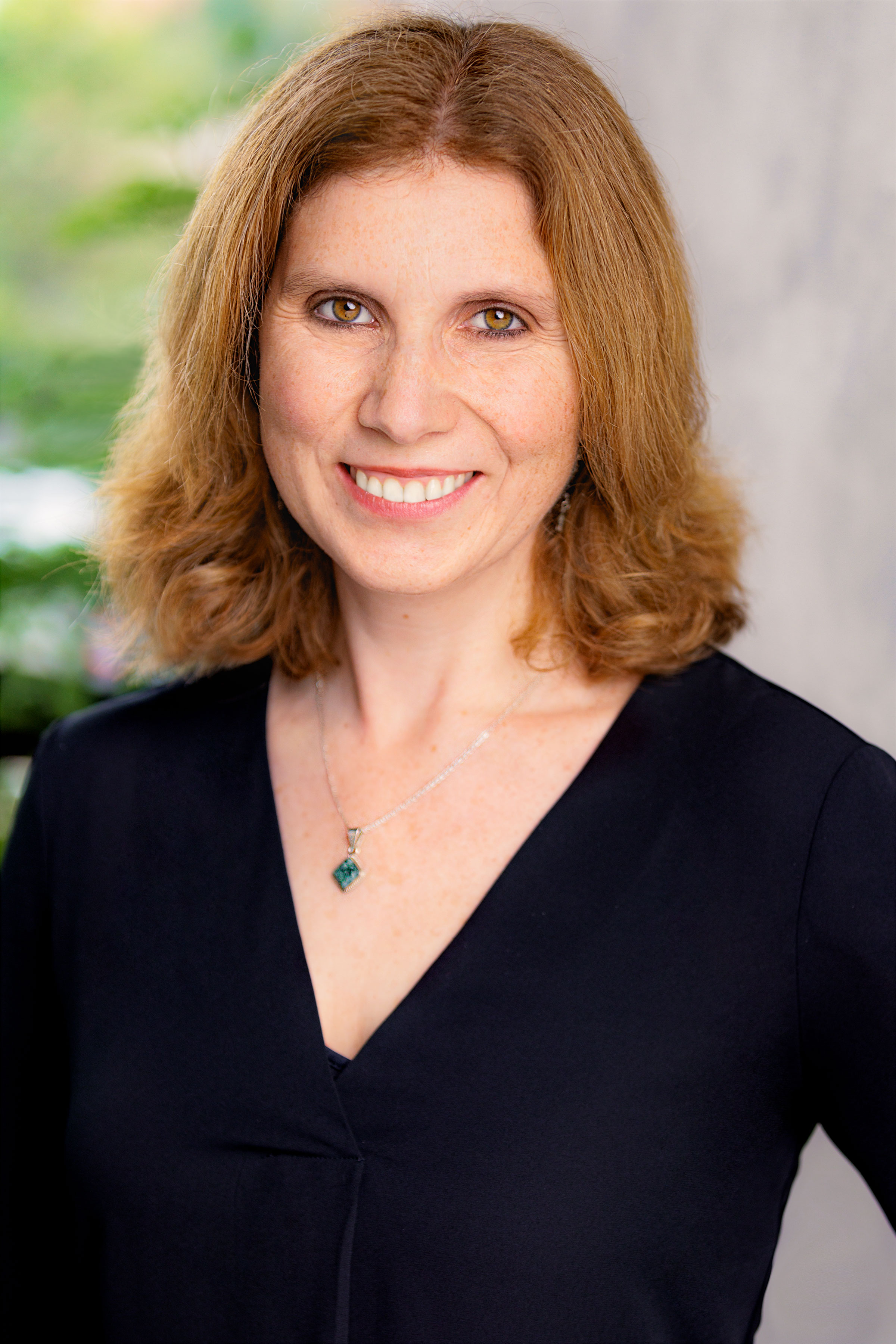
Mira Balberg
· ProfessorUniversity of California, San Diego · History
Active 2005–2025
About
Mira Balberg is a professor and the David Goodblatt Endowed Chair in Ancient Jewish Civilization at the Department of History at UC San Diego. She received her PhD from Stanford University in 2011 and specializes in ancient Mediterranean religious history, with a focus on the emergence and development of Judaism in antiquity (200 BCE–500 CE). Her research emphasizes the cultural contacts of Jews with surrounding communities and imperial forces during the Hellenistic and Roman periods, particularly in Roman Palestine during late antiquity and the development of rabbinic Judaism. She studies how Jewish literature from this era interprets and transforms biblical institutions, concepts, and values through dialogue with Greek, Roman, and early Christian cultures, as well as the reception of ancient Jewish literature in medieval and modern periods. Her scholarly work includes examining bodily purity, sacrifice, old age, and memory in rabbinic texts, contributing significantly to understanding ancient Jewish practices and their cultural meanings.
Research topics
- Computer Science
- Physics
- Psychology
- Astronomy
- History
Selected publications
Aaron Ashman’s The Wall: The Return to Zion and the Hidden Repertoire of Hebrew Culture
Iyunim Multidisciplinary Studies in Israeli and Modern Jewish Society · 2025-06-30
articleOpen access1st authorCorrespondingAaron Ashman’s 1938 biblical play The Wall is based on the Book of Nehemiah and focuses on the rebuilding of Jerusalem’s walls during the Persian Restoration period, also known as ‘The Return to Zion.’ Though never performed in mainstream theaters, the play had a strong grassroots presence during the 1940s and 1950s, particularly in amateur theater, youth groups, and ideological settings. As such,it is part of what we call the ‘hidden repertoire’ of Hebrew culture during that period. The article analyzes Ashman’s dramaturgical adaptation of the Book of Nehemiah. On the one hand, the play draws contemporary-didactic parallels between the biblical restoration period and Ashman’s own time, with emphasis on the Tower-and-Stockade enterprise, the policy of restraint during the Arab Revolt and the preference for political pragmatism over a messianic vision of sovereignty. On the other hand, the play imbues the biblical story with mythic-tragic qualities, highlighting its underlying unsolvable dilemmas. This duality reveals the challenge of using Nehemiah’s story as a foundational myth for Zionist Hebrew theater. The play’s reception outside of mainstream theaters points to its liminal status in the broader repertoire of Hebrew culture.
Studies in Late Antiquity · 2024-01-01
article1st authorCorrespondingThis article proposes a combined analysis of late ancient magical and rabbinic texts that deal with control and subordination of renegade enslaved persons. These texts reveal some of the ways in which slaveholders utilized physical coercion, whether real or imagined, to transform or overpower enslaved persons’ will and interior dispositions. The first part of the article examines two spells used for returning runaway slaves (or otherwise, for preventing slaves from running away), with emphasis on these spells’ resonance with erotic magic that is meant to transform the beloved’s feelings toward the lover. The second part of the article argues that talmudic discussions of enslaved persons’ transition into slavery display similar tensions between autonomy and coercion, between the fantasy that slaves would form a genuine commitment to their enslaver and the fear that acknowledging a slave’s independent will would undo the enslaver’s power altogether. Taken together, these texts offer a series of powerful images through which we may begin to explore some of the discursive and performative tools that late ancient Jewish enslavers used to negotiate their anxieties regarding those they enslaved.
Prooftexts · 2024-01-01
article1st authorCorrespondingAbstract: The article examines the Israeli Educational Television series Shenayim oḥazin , which aired in 1984–85 and was meant to aid the instruction of Talmud in junior high school. This article approaches the series from a dramaturgical and performative viewpoint and analyzes how its creators dramatized and staged the Talmud—both its content and its form—and thereby captured, channeled, and adapted some of the performative features intrinsic to the Talmud. It argues that, while the Talmud and the televisual medium may seem fundamentally opposed, the dramaturgical and spatial choices that were made as the Talmud was conceived for broadcasting purposes accentuate rather than attenuate some of the Talmud's unique discursive traits. The article begins with a general overview of the show's plotline and premise, explaining the different modes of dramatization employed in the show as it engages with talmudic content. It then discusses how the show spatializes the sugya—that it maps the different layers or components of talmudic texts unto different physical spaces, while also allowing those spaces to infiltrate each other. The third part of the article offers a close reading of one episode of the show, which thematizes performativity and theatricality in the study of Talmud in a uniquely overt way. By way of conclusion, we discuss Shenayim oḥazin as presenting a productive tension between two kinds of drama, "a drama of ideas" and "a drama of actions," thereby reflecting a similar tension within the talmudic texts.
Ritualizing Law, Legalizing Ritual
2024-12-16
book-chapter1st authorCorrespondingUniversity of California Press eBooks · 2023
1st authorCorresponding- Computer Science
- Psychology
- Computer Science
2023-05-04
book-chapterOpen access1st authorCorresponding2023-04-25
book-chapterOpen access1st authorCorresponding2023-04-25
book-chapterOpen access1st authorCorresponding2023-04-05
book1st authorCorrespondingFoundation New Directions Fellowship, which allowed me to become acquainted with the world of cognitive psychology and to think of memory and forgetfulness from a multidisciplinary perspective.I am
2023-04-25
book-chapterOpen access1st authorCorresponding
Frequent coauthors
- 10 shared
Haim Weiss
- 2 shared
Simeon Chavel
- 1 shared
Deborah Chin
Institute for Women's Policy Research
- 1 shared
Don Herzog
Institute for Women's Policy Research
- 1 shared
Heidi Bennet
Institute for Women's Policy Research
- 1 shared
Chaya Gardner
Institute for Women's Policy Research
- 1 shared
Sarah Wolf
Institute for Women's Policy Research
- 1 shared
Yair Lipshitz
- Resume-aware match score
- Save to shortlist
- AI-drafted outreach
See your match with Mira Balberg
PhdFit ranks faculty by your research interests, methods, and publications — grounded in their actual work, not templates.
- Free to start
- No credit card
- 30-second signup