Resume-aware faculty matching

Find professors who actually fit you

Upload your resume. Four AI agents analyze your background, rank the faculty who fit, inspect their recent research, and help you draft outreach — grounded in their actual work, not templates.

Free to startNo credit cardCancel anytime
Top matches Balanced preset
Dr. Sarah Chen
Stanford · Interpretability · NLP
91
Dr. Marcus Holloway
MIT · Robotics · RL
84
Dr. Aisha Okonkwo
CMU · Fairness · HCI
82
Nova · Professor Researcher · re-ranking top 20…
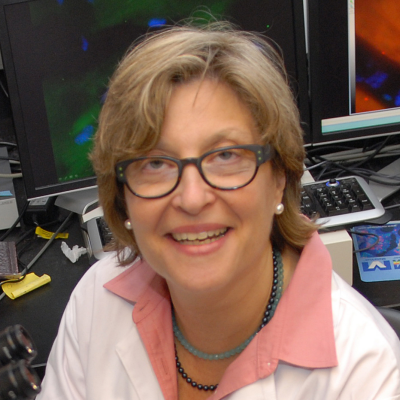
Randi B. Silver

Randi B. Silver

· Ph.D.Verified

Cornell University · Physiology and Biophysics

Active 1980–2026

h-index34
Citations3.3k
Papers868 last 5y
Funding$3.5M
See your match with Randi B. Silver — sign in to PhdFit.Sign in

About

Randi B. Silver, Ph.D., is a Professor of Physiology and Biophysics and an Associate Dean at Weill Cornell Graduate School of Medical Sciences. Her research focuses on understanding the role of mast cells in inflammation and fibrosis. Mast cells, which reside in all organs from birth and exhibit significant plasticity influenced by their cellular microenvironment, are studied in the context of various diseases including bronchopulmonary dysplasia, lung and kidney fibrosis, and abnormal wound healing. Her lab investigates how mast cell mediators and exosomes communicate with nearby cells such as fibroblasts, employing in vivo and in vitro experiments using murine models of fibrosis and primary cultures of murine and human tissue specimens. The ultimate goal of her research is to develop targeted therapeutics to prevent mast-cell-dependent structural remodeling and excessive collagen deposition.

Research topics

  • Chemistry
  • Biology
  • Internal medicine
  • Endocrinology
  • Medicine

Selected publications

  • Role of Cardiac Mast Cells and Stabilization of Hypoxia-Inducible Transcription Factor in Right Ventricular Hypertrophy

    Journal of Molecular and Cellular Cardiology Plus · 2026-03-01

    articleOpen access
  • Gut bacteria–derived serotonin promotes immune tolerance in early life

    Science Immunology · 2024-03-15 · 80 citations

    articleOpen access

    The gut microbiota promotes immune system development in early life, but the interactions between the gut metabolome and immune cells in the neonatal gut remain largely undefined. Here, we demonstrate that the neonatal gut is uniquely enriched with neurotransmitters, including serotonin, and that specific gut bacteria directly produce serotonin while down-regulating monoamine oxidase A to limit serotonin breakdown. We found that serotonin directly signals to T cells to increase intracellular indole-3-acetaldehdye and inhibit mTOR activation, thereby promoting the differentiation of regulatory T cells, both ex vivo and in vivo in the neonatal intestine. Oral gavage of serotonin into neonatal mice resulted in long-term T cell-mediated antigen-specific immune tolerance toward both dietary antigens and commensal bacteria. Together, our study has uncovered an important role for specific gut bacteria to increase serotonin availability in the neonatal gut and identified a function of gut serotonin in shaping T cell response to dietary antigens and commensal bacteria to promote immune tolerance in early life.

  • The mast cell exosome-fibroblast connection: A novel pro-fibrotic pathway

    Frontiers in Medicine · 2023-02-23 · 14 citations

    articleOpen accessSenior authorCorresponding

    Introduction: In addition to the traditional activation of resident receptors by release of local mediators, new evidence favors the existence of exosomes in cell-to-cell communication that mediates delivery of specific cargo to modulate recipient cell function. We report that mast cell exosomes are an additional source of pro-fibrotic substances and constitute a unique pathway for the generation of excess collagen. Methods: We use primary human lung fibroblasts (HLFs) to demonstrate the uptake of labeled exosomes isolated from the human mast cell line HMC-1 (MC-EXOs), previously shown to contain protein cargo in common with human mast cell exosomes. Results: The MC-EXO uptake by HLF is to the cytosol and increases both proline hydroxylation in HLF lysate and secreted collagen, within 24 h, which is sustained over 72 h, the same time required for transforming growth factor-β (TGF-β) to activate collagen synthesis in the HLFs. Unlike TGF-β, MC-EXO uptake does not induce fibrillar gene activation or invoke the Smad-nuclear transcription pathway. We show that MC-EXO uptake and TGF-β have an additive effect on collagen synthesis in HLF and postulate that MC-EXO uptake by HLFs is a contributing factor to excess collagen synthesis and represents a unique paradigm for understanding fibrosis. Discussion: It is known that, in the lungs, mast cells are more activated and increase in number with inflammation, injury and viral infection associated with fibrosis. With the reported increased incidence of post-COVID-pulmonary fibrosis (PCPF), data from patients with severe COVID-19 are presented that show an increase in the mast cell number in lung parenchyma, the site of PCPF. Our findings provide a rationale for targeting multiple fibrogenic pathways in the management of lung fibrosis and the use of mast cell exosomes as a biomarker for the prognostic and diagnostic management of evolving fibrotic lung disease.

  • Gut microbiome regulates serotonin production in the neonatal intestine to promote immune tolerance in early life

    The Journal of Immunology · 2022-05-01

    article

    Abstract The gut microbiome in neonates is vastly different from that in adults due to dietary changes and gut maturation. However, the neonatal gut metabolome, largely shaped by gut bacteria, remains largely undefined. Using high-throughput metabolomics, we compared >500 metabolites in the ileum of specific pathogen-free (SPF) wild-type neonatal and adult mice. We found that most metabolites at significantly higher levels in neonates were neurotransmitters, including serotonin (5-HT), a neurotransmitter critical in the regulation of gut motility and mood stabilization. SPF neonates had significantly higher 5-HT levels in the ileum compared to both SPF adults and germ-free (GF) neonates, suggesting the gut microbiome as a key driver of generation in the neonatal intestine. Gut bacteria in neonates modulate the enzymes TPH-1 and MAO-A involved in the synthesis and breakdown of 5-HT. In addition, unlike in the adult intestine where 5-HT is produced primarily by enterochromaffin cells, gut bacteria are major producers of 5-HT in the neonatal intestine. The immunomodulatory role of 5-HT in the neonatal intestine has not been explored. We demonstrate that 5-HT directly promotes the differentiation regulatory T cells while diminishing interferon gamma and interleukin-17 produced in CD4 T cells, ex vivo and in vivo, in the neonatal intestine. Oral gavage of 5-HT into neonatal mice enhanced immune tolerance toward both commensal bacteria and dietary antigens. Our study has elucidated unique mechanisms by gut microbiota to regulate 5-HT generation in the neonatal intestine, and a novel immunomodulatory role for intestinal 5-HT to promote immune tolerance towards both dietary antigens and commensal bacteria during the early developmental stage.

  • Gut bacteria-derived serotonin promotes immune tolerance in early life

    bioRxiv (Cold Spring Harbor Laboratory) · 2022-09-27 · 8 citations

    preprintOpen access

    Abstract The gut microbiome promotes immune system development in early life, but the neonatal gut metabolome remains undefined. Here, we demonstrate that, distinct from adults, the neonatal mouse gut is enriched with neurotransmitters, and specific bacteria produce serotonin directly while downregulating monoamine oxidase A to limit serotonin breakdown. Serotonin inhibits mTOR activation to promote regulatory T cells and suppress T cell responses both ex vivo and in vivo in the neonatal intestine. Oral gavage of serotonin into neonatal mice leads to long-term immune tolerance toward both dietary antigens and commensal bacteria as well as alterations of the gut microbiome. Together, our study has uncovered unique microbiome-dependent mechanisms to maximize serotonin in the neonatal gut and a novel role for intestinal serotonin to promote immune tolerance in early life.

  • Increasing Sphingolipid Synthesis Alleviates Airway Hyperreactivity

    American Journal of Respiratory Cell and Molecular Biology · 2020-07-24 · 15 citations

    articleOpen access

    Abstract Impaired sphingolipid synthesis is linked genetically to childhood asthma and functionally to airway hyperreactivity (AHR). The objective was to investigate whether sphingolipid synthesis could be a target for asthma therapeutics. The effects of GlyH-101 and fenretinide via modulation of de novo sphingolipid synthesis on AHR was evaluated in mice deficient in SPT (serine palmitoyl-CoA transferase), the rate-limiting enzyme of sphingolipid synthesis. The drugs were also used directly in human airway smooth-muscle and epithelial cells to evaluate changes in de novo sphingolipid metabolites and calcium release. GlyH-101 and fenretinide increased sphinganine and dihydroceramides (de novo sphingolipid metabolites) in lung epithelial and airway smooth-muscle cells, decreased the intracellular calcium concentration in airway smooth-muscle cells, and decreased agonist-induced contraction in proximal and peripheral airways. GlyH-101 also decreased AHR in SPT-deficient mice in vivo. This study identifies the manipulation of sphingolipid synthesis as a novel metabolic therapeutic strategy to alleviate AHR.

  • Collagen Prolyl 4-Hydroxylase as a Therapeutic Target in Idiopathic Pulmonary Fibrosis

    2019-05-01 · 1 citations

    articleSenior author
  • In Vitro Targeting of Collagen Prolyl-4-Hydroxylase in Human Lung Fibroblasts

    2019-05-01

    articleSenior author
  • Comparative systems pharmacology of HIF stabilization in the prevention of retinopathy of prematurity

    Proceedings of the National Academy of Sciences · 2016-04-18 · 116 citations

    articleOpen access

    Retinopathy of prematurity (ROP) causes 100,000 new cases of childhood blindness each year. ROP is initiated by oxygen supplementation necessary to prevent neonatal death. We used organ systems pharmacology to define the transcriptomes of mice that were cured of oxygen-induced retinopathy (OIR, ROP model) by hypoxia-inducible factor (HIF) stabilization via HIF prolyl hydroxylase inhibition using the isoquinolone Roxadustat or the 2-oxoglutarate analog dimethyloxalylglycine (DMOG). Although both molecules conferred a protective phenotype, gene expression analysis by RNA sequencing found that Roxadustat can prevent OIR by two pathways: direct retinal HIF stabilization and induction of aerobic glycolysis or indirect hepatic HIF-1 stabilization and increased serum angiokines. As predicted by pathway analysis, Roxadustat rescued the hepatic HIF-1 knockout mouse from retinal oxygen toxicity, whereas DMOG could not. The simplicity of systemic treatment that targets both the liver and the eye provides a rationale for protecting the severely premature infant from oxygen toxicity.

  • Mast cells and exosomes in hyperoxia-induced neonatal lung disease

    American Journal of Physiology-Lung Cellular and Molecular Physiology · 2016-04-30 · 31 citations

    articleOpen accessSenior authorCorresponding

    Chronic lung disease of prematurity (CLD) is a frequent sequela of premature birth and oxygen toxicity is a major associated risk factor. Impaired alveolarization, scarring, and inflammation are hallmarks of CLD. Mast cell hyperplasia is a feature of CLD but the role of mast cells in its pathogenesis is unknown. We hypothesized that mast cell hyperplasia is a consequence of neonatal hyperoxia and contributes to CLD. Additionally, mast cell products may have diagnostic and prognostic value in preterm infants predisposed to CLD. To model CLD, neonatal wild-type and mast cell-deficient mice were placed in an O2 chamber delivering hyperoxic gas mixture [inspired O2 fraction (FiO2 ) of 0.8] (HO) for 2 wk and then returned to room air (RA) for an additional 3 wk. Age-matched controls were kept in RA (FiO2 of 0.21). Lungs from HO mice had increased numbers of mast cells, alveolar simplification and enlargement, and increased lung compliance. Mast cell deficiency proved protective by preserving air space integrity and lung compliance. The mast cell mediators β-hexosaminidase (β-hex), histamine, and elastase increased in the bronchoalveolar lavage fluid of HO wild-type mice. Tracheal aspirate fluids (TAs) from oxygenated and mechanically ventilated preterm infants were analyzed for mast cell products. In TAs from infants with confirmed cases of CLD, β-hex was elevated over time and correlated with FiO2 Mast cell exosomes were also present in the TAs. Collectively, these data show that mast cells play a significant role in hyperoxia-induced lung injury and their products could serve as potential biomarkers in evolving CLD.

Recent grants

Frequent coauthors

  • Alexandria R. Savage

    Cornell University

    28 shared
  • Roberto Levi

    Cornell University

    27 shared
  • Alicia C. Reid

    15 shared
  • Arul Veerappan

    New York University

    14 shared
  • Barbara D. Summers

    Weill Cornell Medicine

    13 shared
  • Stefan Worgall

    Weill Cornell Medicine

    13 shared
  • Christina J. Mackins

    12 shared
  • Bernard D. Gary

    Southern Research Institute

    12 shared

Awards & honors

  • Cozzarelli Prize winner, PNAS and the National Academy of Sc…
  • “APS Select” Recognition (2016)
  • Resume-aware match score
  • Save to shortlist
  • AI-drafted outreach

See your match with Randi B. Silver

PhdFit ranks faculty by your research interests, methods, and publications — grounded in their actual work, not templates.

  • Free to start
  • No credit card
  • 30-second signup