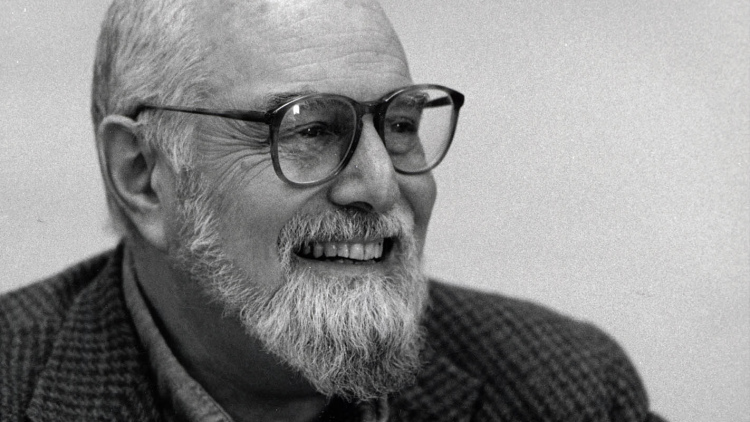
Robert A. LeVine
VerifiedHarvard University · Social Studies and Civics Education
Active 1942–2025
About
Robert A. LeVine was a Professor of Education, Emeritus at Harvard Graduate School of Education. His research focused on cultural aspects of parenthood and child development across African, Asian, Latin American, and other societies. His most recent work examined the influence of maternal schooling on reproduction and child health care in Nepal, specifically how women's literacy positively affects their health and that of their children, as well as contributing to children's emerging literacy. Throughout his career, he contributed to understanding the cultural basis of educational development and achievement motivation, with notable publications including 'Childcare and Culture: Lessons from Africa' and 'Culture, Behavior, and Personality.' LeVine was recognized with awards such as the American Educational Research Association Award for Distinguished Contributions to Educational Research and the Society for Psychological Anthropology's Distinguished Career Contributions. He held leadership roles including Chairman of the Social Science Research Council and President of the Society for Psychological Anthropology, and was a member of several prestigious organizations including the American Academy of Arts and Sciences, the National Academy of Education, and the Spencer Foundation.
Research topics
- Medicine
- Internal medicine
- Chemistry
- Psychology
- Endocrinology
Selected publications
Echo Research and Practice · 2025-11-12
articleOpen accessBACKGROUND: Rheumatic mitral stenosis (MS) is characterised by structural alterations that reduce the size of the valvular orifice. In addition, changes in valve geometry may have haemodynamic consequences that extend beyond the narrowed orifice, influencing the overall clinical presentation of MS. The aim of this study was to develop an index to assess the haemodynamic severity of the stenosis. METHODS: A total of 186 patients with rheumatic MS who underwent comprehensive three-dimensional (3D) transoesophageal echocardiographic assessment were included. Dedicated software was used to extract a range of morphological variables to evaluate mitral valve geometry, including diameter, area, height, volume, and the aortic-mitral angle. To quantify the volume enclosed within the stenotic structure, we developed the 3D Doming Index (DI), calculated by dividing the valvular volume (tenting volume) by the theoretical volume of a cylinder generated by the mitral annulus and valvular height (tenting height). Linear regression models were employed to identify determinants of the mean pressure gradient. RESULTS: ), and left atrial volume. Incorporation of the 3D Doming Index into the model improved overall performance. CONCLUSIONS: The geometric configuration of the mitral valve contributes to the haemodynamic burden of obstruction in rheumatic MS. The 3D Doming Index offers valuable insight into the relationship between valve anatomy and the resultant haemodynamic impact of the stenosis.
Eight Keys for the Reconstructive Therapy of Peri-Implantitis-Related Intrabony Defects.
PubMed · 2025-03-01
article1st authorCorrespondingPeri-implantitis is a biofilm-mediated inflammatory condition associated with progressive loss of supporting tissue and poses a significant challenge to clinicians worldwide. Because limited efficacy is associated with nonsurgical therapy, surgical intervention is often required to manage this disease. This article focuses on operator factors when treating peri-implantitis and presents a stepwise approach to eight essential keys for successful regenerative/reparative treatment of peri-implantitis defects. These keys are aimed at optimizing clinical outcomes for diverse patient needs and defect anatomies. They include evaluating operator experience, risk assessment, and implant restorative design, as well as nonsurgical and surgical therapies such as the use of biologics and biologic derivatives, the postoperative protocol, and a patient-specific periodontal maintenance program. By adhering to these eight keys, clinicians can achieve successful long-term outcomes in the regenerative treatment of peri-implantitis defects.
International Journal of Radiation Oncology*Biology*Physics · 2025-09-01
articleOpen accessHeart Rhythm · 2025-04-01
articleJACC Case Reports · 2025-12-04
articleOpen accessLeft ventricular basal posterior wall (LVbp) inward bending in patients with rheumatic mitral regurgitation and giant left atrium (LA) is a risk for low cardiac output after mitral valve (MV) surgery, which is dramatically improved by aggressive LA plication. However, the effects of LA plication on LVbp bending in patients with atrial functional mitral regurgitation (aFMR) and giant LA have not yet been reported. In 2 patients with LVbp bending, aFMR, and giant LA, MV replacement/repair with aggressive LA plication improved LVbp bending. However, compared to patient 1, in which MV replacement with posterior MV chordal preservation was followed by LA plication, improvements in LVbp bending was greater in patient 2, in which LA plication was followed by MV repair. These findings suggest that aggressive LA plication followed by MV repair has greater benefits (vs MV replacement with posterior MV chordal preservation before LA plication) on LVbp bending in patients with aFMR and giant LA.
Journal of Periodontal Research · 2025-02-26 · 9 citations
articleAIM: Different approaches have been proposed for implant placement following tooth extraction. A Consensus conference was organised to provide expert-based recommendations for the treatment of the postextraction site in the aesthetic zone in conjunction with implant therapy. METHODS: A panel of eight experts with a documented longstanding clinical and research experience in the field of implant therapy in the aesthetic zone were invited to participate in a structured survey. Participants were asked to select their preferred treatment approach for different clinical scenarios of the postextraction site from a list of different treatment options. Results were summarised and discussed in person at a 2 day consensus conference. Based on the outcome, treatment recommendations were phrased and are reported here. RESULTS: The group agreed that in case of an intact alveolus, immediate implant placement with immediate prosthetics represents the reference choice if proper primary stability can be achieved and the buccal bone plate is present. A bone-to-implant gap more than 2 mm should be seeked and grafted. Alveolar ridge preservation and early placement with contour augmentation may represent an alternative. If the alveolus is compromised, a staged approach (early or delayed placement) with bone augmentation may be preferred. CONCLUSIONS: The characteristics of the site, in terms of the available bone volume, the integrity of the buccal bone plate and the periodontal phenotype are determining factors in the therapeutic choice. Therefore, case selection based on well-defined selection criteria is extremely important and is the adequate way to guide the clinician in choosing the most appropriate approach to postextraction site management and timing for implant placement.
Frontiers in Cardiovascular Medicine · 2025-11-06 · 2 citations
reviewOpen accessBackground Rheumatic heart disease (RHD), a sequela of acute rheumatic fever (ARF), remains as the leading cause of acquired cardiac disease in children, posing a significant burden to health systems, especially in low-to-middle-income countries. While ARF shows equal prevalence among sexes in children, clinically manifest RHD in adulthood is strikingly more prevalent in females, with at least a 2:1 ratio. We conducted a meta-analysis to evaluate the global prevalence of RHD and sex disparities alongside risk factors. Methods PubMed, Embase, Cochrane, and Lilacs were searched for cross-sectional studies on RHD prevalence in individuals aged 5–20, evaluated through echocardiogram-based screening in endemic areas. Studies relying on auscultation were excluded. RHD was defined as borderline/definite by 2012 WHF criteria or possible/probable/definite by WHO criteria. Results Fifty-eight studies with 215,552 subjects were included. Echo-detected RHD prevalence was 24/1,000 (95%-CI: 20-30) globally. Subgroup analyses showed consistently lower RHD prevalence in males (RR: 0.70; 95%-CI: 0.61–0.80; p < 0.01). Definite RHD prevalence was 9/1,000 (95%-CI: 7–12), with lower rates among males (RR: 0.71; 95%-CI: 0.59–0.86; p < 0.01). Children in private schools (RR: 0.68; 95%-CI: 0.48–0.97; p = 0.03), medium-high-income families (RR: 0.57; 95%-CI: 0.41–0.81; p < 0.01), and urban areas (RR: 0.49; 95%-CI: 0.26–0.93; p = 0.03) exhibited reduced RHD prevalence. Conclusion This meta-analysis highlights early gender disparities in RHD, with female predominance preceding established valve lesions. Prevalence remains higher in rural areas, public schools, and low-income families, with global prevalence in endemic regions at 24/1,000. Systematic Review Registration https://www.crd.york.ac.uk/PROSPERO/view/CRD42023491941 , PROSPERO CRD42023491941.
Clinical Oral Investigations · 2025-06-04 · 1 citations
articleOpen accessOBJECTIVES: This study aimed to evaluate the long-term effectiveness of single-visit full-mouth non-surgical therapy in managing patients with progressive periodontitis during supportive periodontal therapy (SPT), with tooth loss due to periodontitis (TLP) as the primary outcome. Secondary objectives included assessing changes in probing depth (PD) and identifying risk factors associated with TLP. MATERIALS AND METHODS: A retrospective analysis was conducted using patient records from the University of Michigan School of Dentistry. Included were 283 patients (mean age: 53.2 years) with periodontal breakdown during SPT (PiKS) who underwent single-visit full-mouth ultrasonic instrumentation. The primary outcome was TLP over a mean follow-up of 19.4 years. Secondary outcomes included changes in PD (≥ 5 mm and ≥ 6 mm) and identification of risk factors for tooth loss. Statistical analyses used multilevel binary logistic regression with generalized estimating equations (GEE) and linear regression models. RESULTS: Among 283 patients (mean age: 53.2 years), the mean TLP was 0.9 teeth per patient over a mean follow-up of 19.4 years. Factors significantly associated with TLP included diabetes (OR = 2.41; p = 0.013), current smoking (OR = 2.13; p = 0.025), higher periodontitis Grades B and C (OR = 3.31; p = 0.001), and Stages III-IV (OR = 8.67; p = 0.001). Baseline pocket depths (PD) ≥ 5 mm (OR = 1.13; p = 0.002) and ≥ 6 mm (OR = 1.29; p = 0.001) were also associated with higher TLP. Each additional annual SPT visit reduced the TLP risk by half (OR = 0.50; p = 0.003). PD ≥ 5 mm showed minimal increase change (0.16; p = 0.02), while depths ≥ 6 mm actually decreased (-0.10; p = 0.01). CONCLUSION: Single-visit full-mouth non-surgical therapy is effective for long-term management of PiKS, with low tooth loss rates. Diabetes, smoking, advanced periodontitis stage/grade, and deeper baseline pockets are key predictors of TLP. Frequent SPT visits significantly mitigate tooth loss risk. CLINICAL RELEVANCE: During (SPT) appointments, prevalent practice involves the full-mouth instrumentation of persistent periodontal pockets to disrupt microbial populations and consequently reduce the inflammatory response responsible for disease progression. This study investigates the efficacy of single-visit full-mouth instrumentation as a potential alternative to standard practices in controlling periodontal disease during SPT, which have potential benefits for patients, including reduced treatment time, improved adherence to maintenance therapy, and comprehensive management of periodontal disease. By minimizing the number of visits, this approach may enhance patient compliance while reducing the risk of reinfection from untreated sites between sessions, ultimately contributing to better long-term periodontal stability. Factors such as deeper baseline probing depths and crucial risk elements for TLP-including diabetes, smoking, and advanced stages (III-IV) and grades (B and C) of periodontitis, can play a role in TLP. Additionally, this study provides valuable insights into the customization of more intensive interventions for patients at higher risk. Our findings highlight the importance of frequent SPT visits, with each additional annual visit halving the risk of TLP. The observed reduction in PD of ≥ 6 mm following treatment indicates the significant potential of comprehensive debridement for enhancing long-term periodontal stability. This evidence supports the implementation of tailored, intensive SPT schedules, particularly for patients identified as having higher risks, thereby contributing to improved clinical outcomes in periodontal disease management.
Research Square · 2024-12-16
preprintOpen accessPubMed · 2024-09-16
articleDental implants are a reliable treatment option for restoring missing teeth, but adequate bone quantity and quality are crucial for success. This case series presents four cases treated by different clinicians, all following very similar concepts for combined periodontal and vertical ridge augmentation using recombinant human platelet-derived growth factor-BB. All cases involved a severe periodontal defect requiring either extraction of the adjacent tooth or periodontal regeneration. Different bone grafts and membrane types were utilised. Although true periodontal regeneration cannot be said categorically to have occurred due to a lack of histological evidence, the clinical and radiographic findings suggest almost complete bone fill in all cases. This case series demonstrates that combined periodontal and vertical ridge augmentation using recombinant human platelet-derived growth factor-BB could be successful, but proper case selection and patient preparation for the possibility of multiple surgical procedures are recommended. Conflict-of-interest statement: At the time of preparing this manuscript, Dr Saleh was a clinical advisor for Lynch Biologics, Franklin, TN, USA. The other authors declare that they have no conflicts of interest relating to this study.
Recent grants
NIH · $1.6M · 2013
NIH · $477k · 1993
Treating Ventricle and Valve: New Synergies for Ischemic LV Remodeling with MR
NIH · $2.8M · 2015–2021
NIH · $3.5M · 2014
NIH · $957k · 2004
Frequent coauthors
- 82 shared
Donald E. Wilson
United States Naval Research Laboratory
- 61 shared
Laurent Groc
Institut Interdisciplinaire de Neuroscience
- 46 shared
Arthur E. Weyman
Massachusetts General Hospital
- 42 shared
Ajit P. Yoganathan
Georgia Institute of Technology
- 36 shared
Wuuam Buss
University of Iowa Foundation
- 36 shared
Michael R. Harper
- 36 shared
William Kittredge
- 36 shared
Jacqueline Snider
Awards & honors
- American Educational Research Association Award for Distingu…
- Distinguished Career Contributions, Society for Psychologica…
- Resume-aware match score
- Save to shortlist
- AI-drafted outreach
See your match with Robert A. LeVine
PhdFit ranks faculty by your research interests, methods, and publications — grounded in their actual work, not templates.
- Free to start
- No credit card
- 30-second signup