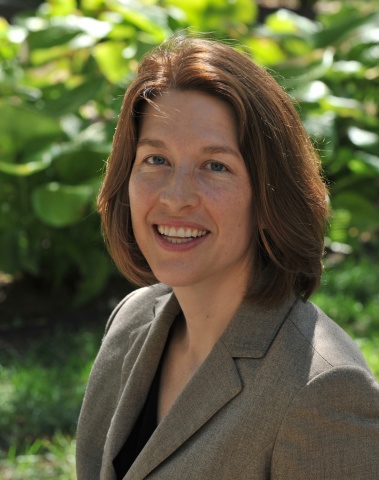
Sarah Burgard
VerifiedUniversity of Michigan · Public Policy
Active 1993–2026
About
Sarah Burgard is a professor of sociology, director of the Population Studies Center, and a professor of public policy and epidemiology (by courtesy) at the University of Michigan. Her research focuses on the way systems of stratification and inequality impact the health of people and populations. Much of her work concentrates on socioeconomic, gender, and racial/ethnic disparities in working lives and the relationships between working careers and health. She studies mental and physical health, as well as health behaviors, with a particular interest in sleep. In related work, she has studied the impact of recessions on well-being and also investigates adult and child health in Brazil. She holds an MS in epidemiology and a PhD in sociology from the University of California at Los Angeles.
Research topics
- Psychiatry
- Family medicine
- Medicine
- Nursing
- Medical education
- Environmental health
- Psychology
Selected publications
Job loss, job insecurity, and health
Edward Elgar Publishing eBooks · 2026-01-15
book-chapter1st authorCorrespondingSocial Psychiatry and Psychiatric Epidemiology · 2025-08-18 · 1 citations
articleOpen accessPURPOSE: This study examined the association between perceived likelihood of moving into a nursing home and depressive and suicidal outcomes among adults aged 65+, and explored variation in those associations by two aspects of social connectedness: individual social networks and neighborhood social cohesion. METHODS: Data comes from the 2018 Health & Retirement Study (N = 7,897). Perceived likelihood of moving into a nursing home in the next five years was assessed using a probability scale (0-100%). Past-year elevated depressive symptoms, major depressive episodes (MDE), and passive suicidal ideation (PSI) were indexed by the Composite International Diagnostic Interview. Social networks (e.g., diversity and frequency of contact with social network, number of close relationships) and neighborhood social cohesion (e.g., living close to good friends, neighborhood social cohesion index) were self-reported. Multivariable logistic regression models were used to examine the association between nursing home expectations and depression outcomes; moderation by social connectedness was examined using interaction terms. RESULTS: The majority of respondents reported low perceived likelihood of moving into a nursing home (median: 5%, IQR: 0-20%). Higher perceived likelihood was positively associated with depressive symptoms (Odds Ratio [OR]: 1.06, 95% CI: 1.01, 1.11), MDE (OR: 1.08, 95% CI: 1.02, 1.15), and PSI (OR: 1.10, 95% CI: 1.04, 1.17). Having a close friend in the neighborhood heightened the association between expectations and mental health; other measures of social connectedness did not moderate this association. CONCLUSION: Older adults anticipating transitioning to long-term care may have unmet emotional support needs, particularly if they are socially-integrated in their neighborhood.
American Journal of Epidemiology · 2025-01-25
articleOpen accessArea economic inequality may underlie social disparities in suicide mortality (SM). Differences in measuring inequality contribute to variability across empirical evidence. We contrasted common income measures-absolute poverty, Gini inequality index, Index of Concentration at the Extremes (ICE)-and examined their associations with age- and sex-standardized SM across 1381 US counties. We used the 2006-2019 National Violent Death Reporting System linked to 2006-2010 administrative data on socioeconomic factors and a Bayesian spatial multilevel approach. Compared to affluent areas, poorer areas had the highest relative risk (RR) of SM (ICE RR, 1.24; 95% credible interval [CI], 1.17-1.31; absolute poverty RR, 1.33; 95% CI, 1.25-1.41). Gini inequality was not linearly associated with SM. Cross-classifying Gini × ICE showed that the highest-risk areas had concentrated poverty (ICE) but varying Gini inequality. These high-risk, poverty-segregated areas were more often medically underserved, had lower population density, and high unemployment. African American or Indigenous suicide decedents frequently resided in high inequality areas, while older, White decedents with military backgrounds more often resided in lower Gini areas. The choice of inequality measure can lead to varied conclusions about social disparities in SM. A comparative approach offers more nuanced understanding of underlying socioeconomic marginalization.
PLoS ONE · 2024-10-11 · 1 citations
articleOpen accessCorrespondingPURPOSE: To describe and explore variation in 'pandemic-related circumstances' among suicide decedents during the first year of the COVID-19 pandemic. METHODS: We identified pandemic-related circumstances using decedents' text narratives in the 2020 National Violent Death Reporting System. We use time-series analysis to compare other psychosocial characteristics (e.g., mental health history, interpersonal difficulties, financial strain) of decedents pre-pandemic (2017/2018: n = 56,968 suicide and n = 7,551 undetermined deaths) to those in 2020 (n = 31,887 suicide and n = 4,100 undetermined). We characterize common themes in the narratives with pandemic-related circumstances using topic modeling, and explore variation in topics by age and other psychosocial circumstances. RESULTS: In 2020, n = 2,502 (6.98%) narratives described pandemic-related circumstances. Compared to other deaths in 2020 and to the pre-pandemic period, decedents with pandemic-related circumstances were older and more highly educated. Common themes of pandemic-related circumstances narratives included: concerns about shutdown restrictions, financial losses, and infection risk. Relative to decedents of the same age that did not have pandemic-related circumstances in 2020, those with pandemic-related circumstances were more likely to also have financial (e.g., for 25-44 years, 43% vs. 12%) and mental health (76% vs. 66%) psychosocial circumstances, but had similar or lower prevalence of substance abuse (47% vs. 49%) and interpersonal (40% vs. 42%) circumstances. CONCLUSIONS: While descriptive, these findings help contextualize suicide mortality during the acute phase of the COVID-19 pandemic and can inform mental health promotion efforts during similar public health emergencies.
UNC Libraries · 2024-03-23
articleOpen accessBackground: We examined the relationship of midlife cardiovascular health (CVH) with late-life robustness among men and women and the impact of survivorship bias on sex differences in robustness. Methods: Prospective analysis of 15 744 participants aged 45-64 (visit 1 median age: 54 years, 55% female, 27% Black) in 1987-1989 from the population-based Atherosclerosis Risk in Communities Study. CVH was operationalized according to the Life's Simple 7 (LS7) metric of health behaviors (smoking, weight, physical activity, diet, cholesterol, blood pressure, and glucose); each behavior was scored as ideal (2 points), intermediate (1 point), or poor (0 points) and summed. Late-life robust/prefrail/frailty was defined at visit 5 (2011-2013). Multinomial regression estimated relative prevalence ratios (RPRs) of late-life robustness/prefrailty/frailty/death across overall midlife LS7 score and components, for the full visit 1 sample. Separate analyses considered visit 5 survivors-only. Results: For each 1-unit greater midlife LS7 score, participants had a 37% higher relative prevalence of being robust versus frail (overall RPR = 1.37 [95% confidence interval {CI}: 1.30-1.44]; women = 1.45 [1.36-1.54]; men = 1.24 [1.13-1.36]). Among the full visit 1 sample, women had a similar 1-level higher robustness category prevalence (RPR = 1.35 [95% CI: 1.32-1.39]) than men (RPR = 1.31 [95% CI: 1.27-1.35]) for every 1-unit higher midlife LS7 score. Among survivors, men were more likely to be robust than women at lower LS7 levels; differences were attenuated and not statistically different at higher midlife LS7 levels. Conclusions: Midlife CVH is positively associated with robustness in late life among men and women. Accounting for mortality in part explains documented sex differences in robustness across all levels of LS7.
Cancers · 2024-12-24 · 2 citations
articleOpen accessBACKGROUND: Understanding why Arab American women have lower adherence to cervical cancer screening compared to other racial/ethnic groups is important. The study aimed to understand attitudes and knowledge of cervical cancer prevention and HPV vaccination among Arab American women. METHODS: A mixed-method approach was employed, including nine focus groups and an online questionnaire. Demographic characteristics, medical history, screening practices, and attitudes towards HPV vaccination and HPV self-sampling for cervical cancer screening were assessed. RESULTS: Focus group participants (n = 22) demonstrated varying levels of knowledge about cervical cancer and HPV, including limited awareness of the Papanicolaou (Pap) test. Participants expressed mixed feelings about HPV self-sampling. Among questionnaire respondents (n = 25), who on average had a higher socioeconomic status than focus group participants, 73.9% had undergone a Pap test, with 94% up to date on screening. While 59% preferred self-sampling at home, almost two in five cited concerns about sample accuracy. CONCLUSIONS: Our study demonstrates the variability in attitudes and experiences towards cervical cancer screening among Arab American women, potentially driven by socioeconomic disparities. Our qualitative results suggest the need for targeted, culturally tailored health education in the Arab American community. Further research should explore effective strategies to engage this underserved group and enhance adherence to prevention programs.
Working Conditions and Racial and Ethnic Disparities in Self-rated Health
Journal of Occupational and Environmental Medicine · 2023-04-22 · 2 citations
articleOpen accessSenior authorOBJECTIVE: The aims of the study are to examine racial and ethnic differences in occupational physical demands, substantive complexity, time pressure, work hours, and establishment size and to assess whether working conditions contribute to racial and ethnic differences in self-rated health. METHODS: We used 2017 and 2019 Panel Study of Income Dynamics data for 8439 adults. Using path models, we examined working conditions among Black, Latino, and White workers and explored whether those conditions mediated racial and ethnic differences in incident poor self-rated health. RESULTS: Some working conditions disproportionately affected Black workers (high physical demands, low substantive complexity), Latino workers (low substantive complexity, small establishments), and White workers (time pressure). Time pressure predicted worse self-rated health; there was no evidence that the working conditions studied mediated racial/ethnic differences. CONCLUSIONS: Working conditions vary by racial and ethnic group; some predict worse health.
Preventive Medicine Reports · 2022-09-26 · 4 citations
articleOpen accessLittle is known about the psychological impact of the COVID-19 pandemic on non-healthcare workers, especially among those who weathered unemployment related to shutdowns and supply-chain disruptions. We administered a cross-sectional survey (May - October 2021) to understand patterns between personal and work-related predictors and mental health symptoms among in-person auto workers in the United States (N = 1,165). The Generalized Anxiety Disorder-2 and the Patient Health Questionnaire-2 measured the presence of anxiety and depressive symptoms, respectively. Predictors included the presence of financial/family stressors, fear of SARS-CoV-2 exposure, perceptions of safety climate/culture, and clarity of workplace COVID-19 protocols. We used multinomial logistic regression to examine associations between the predictors and anxiety symptoms alone, depressive symptoms alone, and both anxiety and depressive symptoms compared to no symptoms, adjusting for socio-demographic characteristics, employee type, COVID-19 infection history, and preexisting psychological or psychiatric disorders. Experiencing financial/family stressors (adjusted odds ratio (AOR): 2.65, 95 % CI: 1.86-3.78) and feeling very concerned over SARS-CoV-2 exposure (AOR: 2.12, 95 % CI: 1.47-3.06) increased the odds of having both anxiety and depressive symptoms in comparison to experiencing no stressors, and feeling less than very concerned over exposure, respectively. Positive perceptions of safety climate/culture (AOR = 0.79, 95 % CI: 0.75-0.84) and strong clarity of COVID-19 protocols (AOR = 0.91, 95 %CI: 0.84-0.99) were associated with lower odds of both anxiety and depressive symptoms. These findings highlight the importance of job security and feeling safe at work in affecting the psychological impact of the pandemic on workers. Considerations for COVID-19 prevention in the workplace and mental health should go hand-in-hand.
Housing instability and mental health among renters in the michigan recession and recovery study
Public Health · 2022-06-30 · 32 citations
articleOpen accessSenior authorSSRN Electronic Journal · 2022-01-01
articleOpen access
Recent grants
Training in the Demography and Economics of Aging
NIH · $16.7M · 1992–2027
NIH · $6.3M · 2017
NIH · $154k · 2012
NIH · $2.4M · 2001–2027
Social Science Training Program in Population Studies
NIH · $18.1M · 1987–2027
Frequent coauthors
- 29 shared
Lucie Kalousová
Vanderbilt University
- 29 shared
Andrew S. London
Syracuse University
- 25 shared
David Stoesz
- 25 shared
Jong Choi
- 25 shared
Madhavappallil Thomas
Washington University in St. Louis
- 25 shared
Vandana Kohli
California State University, Bakersfield
- 23 shared
Kristin S. Seefeldt
University of Michigan–Ann Arbor
- 12 shared
Kenzie Latham-Mintus
Indiana University – Purdue University Indianapolis
Labs
Population Studies CenterPI
Awards & honors
- Stanford University named 16 Ford School faculty on their “T…
- Resume-aware match score
- Save to shortlist
- AI-drafted outreach
See your match with Sarah Burgard
PhdFit ranks faculty by your research interests, methods, and publications — grounded in their actual work, not templates.
- Free to start
- No credit card
- 30-second signup