Resume-aware faculty matching

Find professors who actually fit you

Upload your resume. Four AI agents analyze your background, rank the faculty who fit, inspect their recent research, and help you draft outreach — grounded in their actual work, not templates.

Free to startNo credit cardCancel anytime
Top matches Balanced preset
Dr. Sarah Chen
Stanford · Interpretability · NLP
91
Dr. Marcus Holloway
MIT · Robotics · RL
84
Dr. Aisha Okonkwo
CMU · Fairness · HCI
82
Nova · Professor Researcher · re-ranking top 20…
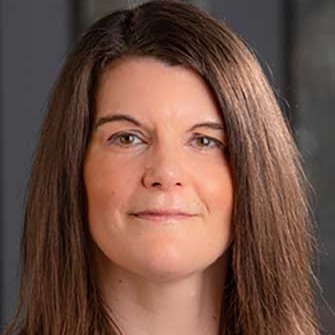
Sarah Delaney

Sarah Delaney

· Vernon K. Krieble Professor of Chemistry, Chair, Department of ChemistryVerified

Brown University · Chemistry

Active 1989–2026

h-index33
Citations3.2k
Papers14549 last 5y
Funding$35.6M3 active
See your match with Sarah Delaney — sign in to PhdFit.Sign in

About

Sarah Delaney is the Vernon K. Krieble Professor of Chemistry and serves as the Chair of the Department of Chemistry at Brown University. Her research focuses on nucleic acids chemistry and biology, particularly understanding the biological consequences of DNA damage. Using biochemistry, biophysics, and molecular biology methods, she probes the effects of DNA damage from the molecular to the cellular level. Her work involves synthesizing modified DNA nucleobases and studying their properties within well-defined systems, with a special interest in how DNA packaging into chromatin influences DNA repair processes. Dr. Delaney's educational background includes a B.A. in Chemistry from Middlebury College, a Ph.D. in Chemistry from Caltech, and a postdoctoral fellowship in Biological Engineering at MIT. Her research aims to elucidate the mechanisms of DNA repair and the impact of DNA damage on biological systems, contributing to a deeper understanding of DNA repair pathways and the role of chromatin structure in these processes.

Research topics

  • Political Science
  • Medicine
  • Risk analysis (engineering)
  • Chemistry
  • Environmental health
  • Internal medicine
  • Pharmacology
  • Statistics
  • Nursing
  • Emergency medicine
  • Psychiatry
  • Law
  • Mathematics
  • Business

Selected publications

  • Global emergence and γ-aminobutyric acid type A (GABAA) receptor activity of the new designer benzodiazepine ethylbromazolam

    Archives of Toxicology · 2026-05-20

    articleOpen access

    Abstract Designer benzodiazepines (DBZDs) are a class of new psychoactive substances (NPS) designed as legal alternatives to prescription BZDs. Bromazolam has been the most prevalent DBZD detected on the recreational market around the world; however, a new DBZD, ethylbromazolam (8-bromo-1-ethyl-6-phenyl-4 H-[1,2,4]triazolo[4,3-a][1,4]benzodiazepine; also known as bromoethylazolam) has recently emerged. In this study, the emergence of ethylbromazolam in Canada, the UK, and Australia is reported based on analysis of samples from drug checking services and in Germany based on analysis of samples seized by customs and mail services. Since November 2024, ethylbromazolam has been increasingly detected with a concurrent decrease in bromazolam detections, suggesting that its emergence is likely in response to the international control of bromazolam on 3rd December 2024. Additionally, increased detections of other DBZDs, including desalkylgidazepam (bromonordiazepam) and clobromazolam (phenazolam) have been recently observed. The in vitro α 1 β 2 γ 2 GABA A receptor activity of ethylbromazolam was determined using an automated patch clamp assay. Ethylbromazolam was found to have similar in vitro GABA A receptor activity as bromazolam (EC 50 of 10.1 nM and 15.2 nM, respectively), indicating comparable pharmacological activity and potential for harm. The market should continue to be monitored closely as it continues to evolve in response to the control of bromazolam.

  • Caught in the Gap: A Case of Unexpected Lactate Elevation

    The Journal of Applied Laboratory Medicine · 2025-11-18

    articleOpen accessSenior author
  • Initiation of base excision repair is modulated by nucleosome occupancy modifying sequences

    DNA repair · 2025-05-23

    articleSenior authorCorresponding
  • A Balancing Act: Thymine DNA Glycosylase Combines Sequence and Rotational Preferences To Define Lesion Excision in the Nucleosome Core Particle

    Biochemistry · 2025-04-14 · 2 citations

    articleSenior authorCorresponding

    Thymine DNA glycosylase (TDG) is a DNA glycosylase involved in base excision repair (BER) with a specialized role in the regulation of transcription through the maintenance of 5′-CpG-3′ sites via active demethylation. In this work, we investigate the ability of TDG to excise modified nucleobases from the simplest unit of compacted DNA, the nucleosome core particle (NCP). We measure TDG activity on a population of NCPs with uracil (U) at various geometric positions and report that kobs for U excision from the NCP depends on positioning and dinucleotide sequence context. Specifically, TDG prefers solution accessible 5′-UpG-3′ and 5′-UpA-3′ sites. By coupling our findings with previous studies, we suggest that TDG’s stringent substrate preferences facilitate its epigenetic role through the extensive contacts made with its DNA substrate.

  • Structure, dynamics, and processing of 8oxoG:A in the nucleosome

    bioRxiv (Cold Spring Harbor Laboratory) · 2025-09-05

    preprintOpen access

    Eukaryotic genomic DNA is packaged into chromatin through a repeating unit known as the nucleosome. In this chromatin environment, DNA is constantly exposed to several sources of DNA damage, such as reactive oxygen species (ROS), which can lead to the formation of 8-oxo-7,8-dihydroguanine (8oxoG). 8oxoG can base pair with cytosine (8oxoG:C) or form a mutagenic base pair with adenine (8oxoG:A), which can lead to single base transversions if left unrepaired. To date, the structure and dynamics of these two possible 8oxoG base pairs in the nucleosome remain unclear. Furthermore, whether MutY homologue (MUTYH) excises 8oxoG:A base pairs in the nucleosome remains elusive. Here using a combination of cryogenic-electron microscopy, molecular dynamics simulations, and biochemistry we determined the structure and dynamics of 8oxoG:C and 8oxoG:A base pairs in the nucleosome and characterize MUTYH activity in nucleosomal DNA. We found that nucleosomal 8oxoG:C forms a stable base pair using its anti conformation, while nucleosomal 8oxoG:A forms a more dynamic base pair using its syn conformation that is unable to be processed by MUTYH. This work provides fundamental insight into the accommodation of oxidative damage in the nucleosome and how this damage contributes to increased mutagenic transversions in nucleosomal compared to linker DNA.

  • Choosing Wisely Canada recommendations for clinical biochemistry: test ordering for sustainable and high-quality patient care

    Clinical Biochemistry · 2025-05-21 · 2 citations

    article
  • Commentary on Supratherapeutic Carbamazepine Concentration Following a Recent SARS-CoV-2 Infection

    Clinical Chemistry · 2025-03-29

    article1st authorCorresponding
  • New Psychoactive Substances: A Canadian perspective on emerging trends and challenges for the clinical laboratory

    Clinical Biochemistry · 2024-08-23 · 13 citations

    reviewSenior authorCorresponding
  • B-262 Validation of a point-of-care lateral flow immunoassay for urine drug testing prior to application in an outpatient rapid access addiction medicine clinic

    Clinical Chemistry · 2024-10-01 · 1 citations

    article

    Abstract Background Point-of-care (POC) urine drug testing is a useful adjunct to self-reporting in rapid access addiction medicine settings to immediately guide patient management. However, available POC immunoassays have limitations including cross-reactivity with unrelated compounds or low sensitivity that may cause false results. Here, we assessed the performance of a multi-drug test panel by comparing against gold-standard liquid chromatography tandem mass spectrometry (LC-MS/MS) testing. Methods 102 residual urine specimens were assayed using a competitive lateral flow immunoassay (LFA) for 10 drugs: 2-ethylene-1,5-dimethyl-3,3-diphenylpyrrolidine (EDDP, methadone metabolite), buprenorphine, morphine, hydromorphone, oxycodone, fentanyl, cocaine, methamphetamine, amphetamine, and benzodiazepines (BTNX Rapid ResponseTM Multi-Drug Panel). Results were compared to those obtained by LC-MS/MS (n=67, 66%) or kinetic interaction of microparticles in solution automated immunoassay (KIMS) (Roche Diagnostics, n=35, 33%). Broad spectrum LC-MS/MS results were reviewed in entirety for discordant cases, particularly in false positives to identify the presence of any known cross-reacting compounds. Results Of 10 drugs evaluated, four demonstrated ≥95% agreement with LC-MS/MS or KIMS immunoassay (EDDP, buprenorphine, oxycodone, methamphetamine). Fentanyl demonstrated the highest false negative rate of 44% (LFA cut-off: 10 ng/mL) followed by amphetamines (22%, cut-off: 1000 ng/mL). Morphine and hydromorphone demonstrated false positive rates of 14% and 18%, respectively, with most cases likely due to cross-reacting opiate or opioid metabolites. Benzodiazepines (target: Oxazepam) demonstrated false positive and negative rates of 13% and 24%, respectively. Conclusions To our knowledge, this is the first study to evaluate the performance of the BTNX multi-drug test panel against definitive testing in urine samples. While good concordance was observed for most drugs, high rates of discordant results for fentanyl and others emphasize the need for confirmatory testing by methods with higher sensitivity and specificity. Careful consideration prior to implementation would be essential, including physician education, interpretative comments, and training resources.

  • Global screening of base excision repair in nucleosome core particles

    DNA repair · 2024-10-19 · 10 citations

    articleOpen accessSenior authorCorresponding

Recent grants

Frequent coauthors

  • Daniel R. Beriault

    27 shared
  • Catherine B. Volle

    Cornell University

    21 shared
  • Chuxuan Li

    Rice University

    20 shared
  • Daniel A. Jarem

    Materials Systems (United States)

    20 shared
  • Paul J. Caffrey

    New England Biolabs (United States)

    16 shared
  • Katelyn L. Rioux

    Brown University

    16 shared
  • David Colantonio

    Ottawa Hospital

    15 shared
  • Craig J. Yennie

    Providence College

    14 shared

Labs

  • Resume-aware match score
  • Save to shortlist
  • AI-drafted outreach

See your match with Sarah Delaney

PhdFit ranks faculty by your research interests, methods, and publications — grounded in their actual work, not templates.

  • Free to start
  • No credit card
  • 30-second signup