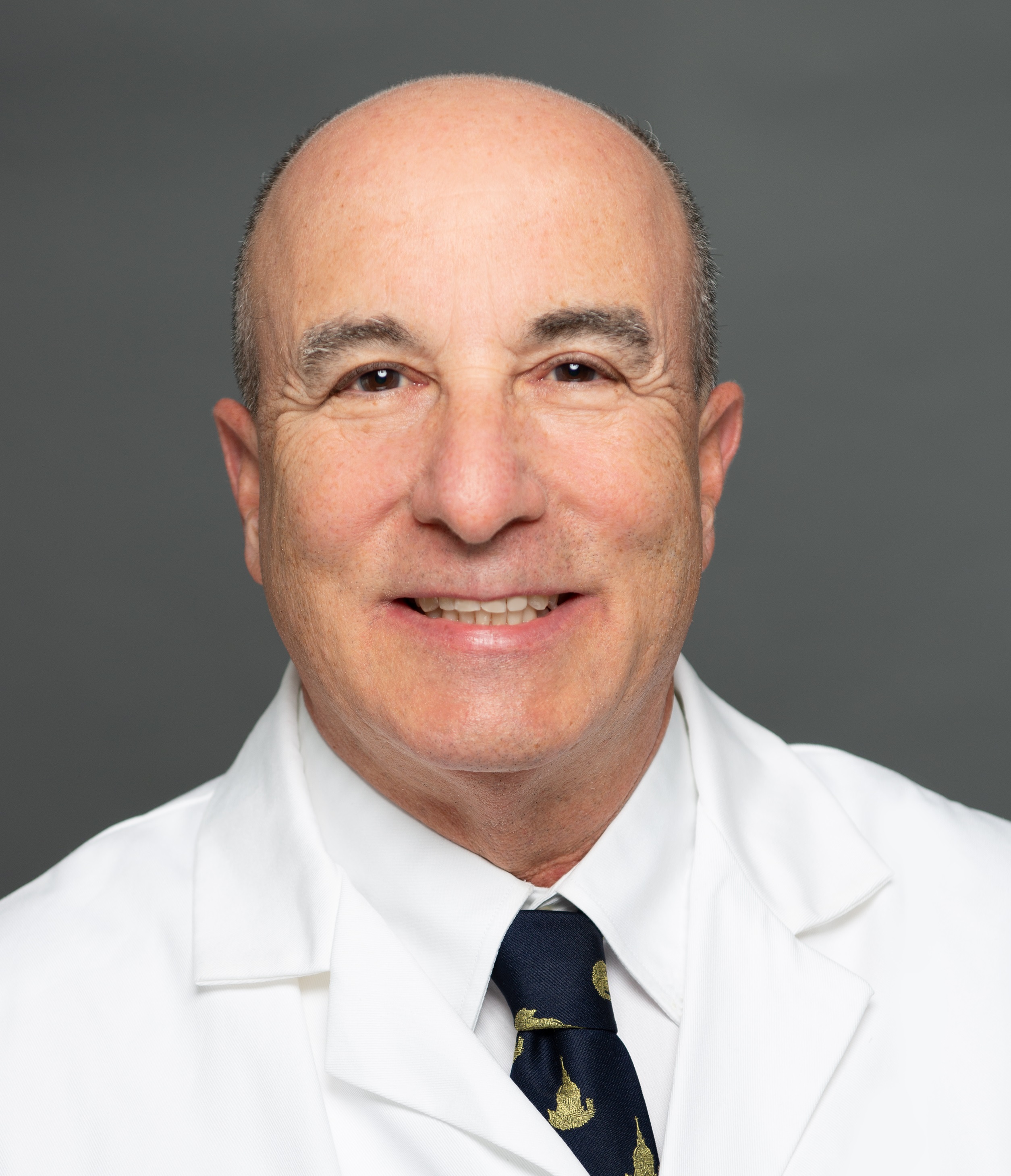
About
Scott Randell is an Associate Professor at the University of North Carolina School of Medicine. His research focuses on the identification of airway epithelial stem cells, innate immunity in the airway, and the pathophysiology of post-lung transplant ischemia reperfusion injury and bronchiolitis obliterans syndrome. His laboratory is dedicated to exploring basic cell biology questions as they relate to clinical lung disease problems. Recently, his work has contributed to the NIH NHLBI Lung Repair and Regeneration Consortium, where he examines factors regulating airway and distal lung epithelial growth and differentiation, with an emphasis on the regulation of stemness and differentiation of key epithelial cell types. He also contributes to team science efforts on cystic fibrosis and aerodigestive cancers. Additionally, he directs a tissue procurement and cell culture Core that provides primary human lung cells and other resources locally, nationally, and internationally. Randell is the inaugural co-director of the Respiratory Block and serves as the “Physiology Coil” in the UNC Translational Educational Curriculum for medical students. He also teaches in several graduate-level courses.
Research topics
- Biology
- Genetics
- Cancer research
- Virology
- Immunology
- Internal medicine
- Medicine
- Molecular biology
- Cell biology
- Computational biology
- Endocrinology
- Statistics
- Pathology
Selected publications
Data Management and Sharing Plan for: NDRI-UNC-CFFTI Cell Resource
Open MIND · 2026-02-16
dataset1st authorCorrespondingThe Data Management and Sharing Plan describes the scientific data to be generated and/or used in the research and outlines a strategy for managing and sharing project data.
Simulated burn pit smoke condensates cause sustained impact on human airway epithelial cells
UNC Libraries · 2025-12-20
articleOpen accessInhalation of smoke from burn pits during military deployment is associated with several adverse pulmonary outcomes. We exposed human airway epithelial cells to smoke condensates from burn pit waste materials. Single and repeated exposure of condensates triggered unique and common responses in terms of gene expression, that sustained through the recovery phase. Source material and combustion condition influenced the outcome. Intensified response in female donor cells indicated a determining role of biological sex. The observations indicate a lasting impact of burn pit smoke exposure on epithelial gene expression, potentially contributing to disease pathogenesis.
254 Targeted eRF3a degradation amplifies nonsense mutation readthrough in a CF murine model
Journal of Cystic Fibrosis · 2025-10-01
articleViral airway injury promotes cell engraftment in an in vitro model of cystic fibrosis cell therapy
UNC Libraries · 2025-12-20
articleOpen accessCell therapy is a potential treatment for cystic fibrosis (CF). However, cell engraftment into the airway epithelium is challenging. Here, we model cell engraftment in vitro using the air-liquid interface (ALI) culture system by injuring well-differentiated CF ALI cultures and delivering non-CF cells at the time of peak injury. Engraftment efficiency was quantified by measuring chimerism by droplet digital PCR and functional ion transport in Ussing chambers. Using this model, we found that human bronchial epithelial cells (HBECs) engraft more efficiently when they are cultured by conditionally reprogrammed cell (CRC) culture methods. Cell engraftment into the airway epithelium requires airway injury, but the extent of injury needed is unknown. We compared three injury models and determined that severe injury with partial epithelial denudation facilitates long-term cell engraftment and functional CFTR recovery up to 20% of wildtype function. The airway epithelium promptly regenerates in response to injury, creating competition for space and posing a barrier to effective engraftment. We examined competition dynamics by time-lapse confocal imaging and found that delivered cells accelerate airway regeneration by incorporating into the epithelium. Irradiating the repairing epithelium granted engrafting cells a competitive advantage by diminishing resident stem cell proliferation. Intentionally, causing severe injury to the lungs of people with CF would be dangerous. However, naturally occurring events like viral infection can induce similar epithelial damage with patches of denuded epithelium. We found that viral preconditioning promoted effective engraftment of cells primed for viral resistance. <strong>NEW & NOTEWORTHY</strong> Cell therapy is a potential treatment for cystic fibrosis (CF). Here, we model cell engraftment by injuring CF air-liquid interface cultures and delivering non-CF cells. Successful engraftment required severe epithelial injury. Intentionally injuring the lungs to this extent would be dangerous. However, naturally occurring events like viral infection induce similar epithelial damage. We found that viral preconditioning promoted the engraftment of cells primed for viral resistance leading to CFTR functional recovery to 20% of the wildtype.
Airway epithelial heterogeneity and mucus plugging in asthmatic bronchioles
American Journal of Respiratory and Critical Care Medicine · 2025-09-23 · 3 citations
articleOpen accessRATIONALE: Bronchiolar dysfunction is associated with asthma exacerbations and poor symptom control. However, the molecular pathophysiology of asthmatic bronchiolar disease is poorly defined. OBJECTIVES: Test the hypothesis that asthmatic bronchioles exhibit disturbances in epithelial biology that produce MUC5AC-dominated mucus plugs. METHODS: Peripheral lung tissues from severe asthmatics, fatal asthmatics (FA), and controls were evaluated with histology, RNA in situ hybridization, and immunohistochemistry. Isolated bronchiolar and bronchial basal cell responses to IL13 were compared in culture. Spatial transcriptomics and multiplex immunophenotyping were performed on excised tissue sections. MEASUREMENTS AND MAIN RESULTS: In excised tissues, severe and FA bronchiolar epithelia, depleted of distal airway secretory cells (DASCs) and enriched in MUC5AC goblet cells, circumscribed MUC5AC-dominated mucus plugs. In cultured bronchiolar basal cells, IL13 suppressed FOXA2 and DASC gene signatures and upregulated MUC5AC expression. Additional studies in severe and FA-excised tissues demonstrated that bronchiolar epithelia were populated by MUC5AC-expressing goblet cell niches heterogeneously distributed within single segments and, indeed, individual bronchioles. Spatial transcriptomics and immuno-proteomics of these MUC5AC-expressing bronchiolar niches identified increased goblet, suprabasal (SERPINB3), and basal cells, juxtaposed to a loss of DASC gene signatures. MUC5AC-high niche bronchiolar basal cells expressed reduced FOXA2 and elevated type-2 inflammatory (T2) gene signatures. Immune cell distributions surrounding asthmatic bronchioles differed from controls but did not correlate with MUC5AC-high niches. CONCLUSIONS: Asthmatic bronchioles exhibit a T2-driven proximalization associated with mucus plugging. MUC5AC-high niches were identified heterogeneously in bronchiolar epithelia independent of immune cell localizations, suggesting asthmatic bronchioles contain cellular niches which perpetuate T2-initiated epithelial remodeling.
230 Optimizing pulsed electrical field gene delivery to airway epithelial cells
Journal of Cystic Fibrosis · 2025-10-01
articleSenior authorUNC Libraries · 2025-07-30
articleOpen access<strong>Rationale:</strong> Non-cystic fibrosis bronchiectasis (NCFB) may originate in bronchiolar regions of the lung. Accordingly, there is a need to characterize the morphology and molecular characteristics of NCFB bronchioles. <strong>Objectives:</strong> Test the hypothesis that NCFB exhibits a major component of bronchiolar disease manifest by mucus plugging and ectasia. <strong>Methods:</strong> Morphologic criteria and region-specific epithelial gene expression, measured histologically and by RNA <em>in situ</em> hybridization and immunohistochemistry, identified proximal and distal bronchioles in excised NCFB lungs. RNA <em>in situ</em> hybridization and immunohistochemistry assessed bronchiolar mucus accumulation and mucin gene expression. CRISPR-Cas9-mediated IL-1R1 knockout in human bronchial epithelial cultures tested IL-1α and IL-1β contributions to mucin production. Spatial transcriptional profiling characterized NCFB distal bronchiolar gene expression. <strong>Measurements and Main Results:</strong> Bronchiolar perimeters and lumen areas per section area were increased in proximal, but not distal, bronchioles in NCFB versus control lungs, suggesting proximal bronchiolectasis. In NCFB, mucus plugging was observed in ectatic proximal bronchioles and associated nonectatic distal bronchioles in sections with disease. MUC5AC and MUC5B mucins were upregulated in NCFB proximal bronchioles, whereas MUC5B was selectively upregulated in distal bronchioles. Bronchiolar mucus plugs were populated by IL-1β-expressing macrophages. NCFB sterile sputum supernatants induced human bronchial epithelial MUC5B and MUC5AC expression that was >80% blocked by IL-1R1 ablation. Spatial transcriptional profiling identified upregulation of genes associated with secretory cells, hypoxia, interleukin pathways, and IL-1β-producing macrophages in mucus plugs and downregulation of epithelial ciliogenesis genes. <strong>Conclusions:</strong> NCFB exhibits distinctive proximal and distal bronchiolar disease. Both bronchiolar regions exhibit bronchiolar secretory cell features and mucus plugging but differ in mucin gene regulation and ectasia.
UNC Libraries · 2025-12-20
articleOpen accessSingle-cell and spatially resolved interactomics of tooth-associated keratinocytes in periodontitis
UNC Libraries · 2025-12-20
articleOpen accessJournal of Cystic Fibrosis · 2025-10-01
article
Recent grants
NIH · $1000k · 2012
Core B: Sample Acquisition and Repository Core
NIH · $33.0M · 2020
An Integrated Approach to Airway Epithelial Repair and Regeneration
NIH · $3.3M · 2012–2017
NIH · $1.8M · 2005
Purinergic Control of CFTR-ENaC Interactions in Alveolar Epithelia
NIH · $17.0M · 2018
Frequent coauthors
- 172 shared
Richard C. Boucher
University of North Carolina at Chapel Hill
- 102 shared
Kenichi Okuda
Lung Institute
- 97 shared
Wanda K. O’Neal
University of North Carolina at Chapel Hill
- 96 shared
Hong Dang
Lung Institute
- 85 shared
Rodney C. Gilmore
Lung Institute
- 85 shared
Takafumi Kato
- 79 shared
Rhianna E. Lee
- 78 shared
Teresa Mascenik
Lung Institute
Education
- 1994
Ph.D., Toxicology
University of North Carolina at Chapel Hill
- 1991
M.S., Toxicology
University of North Carolina at Chapel Hill
- 1988
B.S., Toxicology
University of North Carolina at Chapel Hill
- Resume-aware match score
- Save to shortlist
- AI-drafted outreach
See your match with Scott Randell
PhdFit ranks faculty by your research interests, methods, and publications — grounded in their actual work, not templates.
- Free to start
- No credit card
- 30-second signup