Resume-aware faculty matching

Find professors who actually fit you

Upload your resume. Four AI agents analyze your background, rank the faculty who fit, inspect their recent research, and help you draft outreach — grounded in their actual work, not templates.

Free to startNo credit cardCancel anytime
Top matches Balanced preset
Dr. Sarah Chen
Stanford · Interpretability · NLP
91
Dr. Marcus Holloway
MIT · Robotics · RL
84
Dr. Aisha Okonkwo
CMU · Fairness · HCI
82
Nova · Professor Researcher · re-ranking top 20…
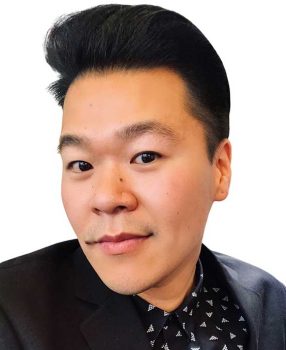
Sean Arayasirikul

Sean Arayasirikul

· Associate Professor in Residence of Health, Society, & BehaviorVerified

University of California, Irvine · Department of Health, Society, and Behavior

Active 2010–2025

h-index22
Citations1.7k
Papers10060 last 5y
Funding
See your match with Sean Arayasirikul — sign in to PhdFit.Sign in

About

Dr. Sean Arayasirikul (they/them) is a Medical Sociologist and an Associate Professor In-Residence in the Department of Health, Society, and Behavior at UC Irvine’s Program in Public Health. Their research interrogates the social etiology and root causes of health among sexual and gender minoritized communities, emphasizing community-engaged research, digital technologies, and homegrown interventions. Their work focuses on examining health disparities and inequity among these communities, particularly trans women, BIPOC communities, and those with intersectional identities, as well as developing and implementing systems-level digital health interventions and applying participatory approaches to surveillance, data democratization, and health justice.

Research topics

  • Medicine
  • Gerontology
  • Sociology
  • Environmental health
  • Family medicine
  • Demography
  • Psychology
  • Nursing
  • Medical emergency

Selected publications

  • Structural disadvantage and HIV risk – comparing risk factors between trans women’s partnerships with cis men and trans women sexual partners

    BMC Public Health · 2025-08-16

    articleOpen accessSenior author

    INTRODUCTION: Little is known about differences in HIV risk for trans women by partner gender, particularly with respect to social determinants of health and partner-level factors that affect behavior. We examined differences in demographic, social determinants, and HIV-related risk behaviors for trans women with cisgender men and trans women sexual partners. MATERIALS AND METHODS: Data are from a cross-sectional survey of trans women and their sexual partners conducted between April 2020 and January 2021. Interviews were held remotely via videoconference during shelter-in-place ordinances due to the Covid-19 pandemic. This analysis characterized associations between HIV risk and preventive behaviors comparing trans women with cisgender men partners to trans women with trans women partners. RESULTS: A total of 336 sexual partners were identified from 156 trans women. Trans women with cisgender men partners were significantly more likely to be from racial/ethnic minority populations and all Black/African American and Latina trans women participants had cisgender men partners only. Trans women with cisgender men partners had significantly less education and employment and more incarceration and recidivism than trans women with trans women partners. Trans women and their cisgender men partners had shared experiences of unstable housing, incarceration, and HIV. Trans women with cisgender men partners reported significantly more sex exchange partners, receptive condomless sex, and HIV compared to trans women with trans women partners. CONCLUSIONS: Trans women with cisgender men sexual partners faced higher HIV risk than trans women with trans women sexual partners. These risks may be related to the social and economic drivers that both trans women and their cisgender men partners faced, namely structural racism that may explain barriers to education and employment, along with incarceration and recidivism. Interventions focused on economic stability, workforce development and post incarceration re-entry housing and employment support for trans women and their cisgender men partners may have the most impact on reducing HIV risk and incidence.

  • Additional file 1 of Joy in the margins: examining narratives of everyday resistance among SGM BIPOC young adults in Orange County

    Figshare · 2025-01-01

    articleOpen accessSenior author

    Supplementary Material 1.

  • Joy in the margins: examining narratives of everyday resistance among SGM BIPOC young adults in Orange County

    BMC Public Health · 2025-12-30

    articleOpen accessSenior author

    BACKGROUND: Joy is a powerful and necessary counterpoint to the challenges faced by sexual and gender minoritized (SGM) communities. This study explores how SGM young adults of color in Orange County, California, cultivate joy as a form of everyday resistance and well-being in the face of systemic oppression. METHODS: Drawing on a participatory action research approach, we used PhotoVoice to engage 19 Black, Indigenous, and people of color (BIPOC) SGM young adults as co-researchers. Participants documented and reflected on everyday experiences of joy through photographs and accompanying narratives, which were thematically analyzed. RESULTS: Informed by Johansson and Vinthagen's Everyday Resistance framework, we found that participants engaged in acts of detachment as a strategy for cultivating joy and resisting the demands of neoliberal productivity culture, including expectations of constant self-optimization, emotional endurance, and conformity. CONCLUSIONS: The study affirms the value of PhotoVoice in capturing the complex interplay between identity, environments, and systemic oppression. Centering joy in public health research can inform more affirming and culturally responsive interventions.

  • Joy in the margins: examining narratives of everyday resistance among SGM BIPOC young adults in Orange County

    Figshare · 2025-01-01

    otherOpen accessSenior author

    Abstract Background Joy is a powerful and necessary counterpoint to the challenges faced by sexual and gender minoritized (SGM) communities. This study explores how SGM young adults of color in Orange County, California, cultivate joy as a form of everyday resistance and well-being in the face of systemic oppression. Methods Drawing on a participatory action research approach, we used PhotoVoice to engage 19 Black, Indigenous, and people of color (BIPOC) SGM young adults as co-researchers. Participants documented and reflected on everyday experiences of joy through photographs and accompanying narratives, which were thematically analyzed. Results Informed by Johansson and Vinthagen’s Everyday Resistance framework, we found that participants engaged in acts of detachment as a strategy for cultivating joy and resisting the demands of neoliberal productivity culture, including expectations of constant self-optimization, emotional endurance, and conformity. Conclusions The study affirms the value of PhotoVoice in capturing the complex interplay between identity, environments, and systemic oppression. Centering joy in public health research can inform more affirming and culturally responsive interventions.

  • Relationship stigma negatively impacts the relationship quality of trans women

    Frontiers in Global Women s Health · 2025-06-09 · 1 citations

    articleOpen access

    Background Trans women face negative health outcomes due to multiple types of anti-trans stigma. Relationship stigma, or when people experience stigma because their romantic partnerships are devalued by society, can negatively impact experiences in relationships of trans women. Relationships and their quality are important predictors of wellness across populations, but little is known about relationship quality for trans women. This study was conducted to determine whether relationship stigma is associated with relationship quality for trans women with main partners. Methods This is a secondary analysis of data from 89 trans women with main partners enrolled in the 2020 Partners Study, an online, interviewer-administered, cross-sectional survey of trans women in the San Francisco Bay Area. Multivariate logistic was used to test for an association between relationship stigma and relationship quality among trans women with main partners. Results The trans women surveyed were White (29.2%), Latinx (24.7%), or multiracial (23.6%), with the majority having never been married (65.2%). Those who often felt they must hide their partnerships had significantly lower odds of reporting satisfaction with intimacy and closeness in their relationships [odds ratio (OR): 0.07; 95% confidence interval (CI): 0.01–0.68, p = 0.02] and of reporting satisfaction with their overall relationship (OR: 0.02; 95% CI: 0.02–0.34, p < 0.01). Those whose families were not supportive of their partnerships had significantly lower odds of reporting relationship satisfaction, intimacy, and closeness with their main partners (OR: 0.08; 95% CI: 0.01–0.85, p = 0.04) and of reporting satisfaction with their overall relationship (OR: 0.08; 95% CI: 0.00, 0.51, p = 0.01). Conclusions Relationship stigma was negatively associated with relationship quality for trans women with main partners in this study. Stigma from family also had a significant negative impact on relationship quality, suggesting the important influence of family on trans women's relationships. Efforts to boost family support may foster intimacy and improve relationship satisfaction for trans women in main partnerships.

  • Additional file 1 of Joy in the margins: examining narratives of everyday resistance among SGM BIPOC young adults in Orange County

    Open MIND · 2025-01-01

    articleSenior author

    Supplementary Material 1.

  • Use of and Attitudes Toward Technology Among Young People Living With HIV in San Francisco: Cross-Sectional Study

    JMIR Formative Research · 2025-09-15

    articleOpen access1st authorCorresponding

    Digital technology is an important tool for engaging and delivering care to and for young people living with HIV. This research letter examines how 120 out-of-care young people living with HIV in San Francisco use digital technology, the attitudes they have toward technology, and the anxiety they feel about being without technology. Our findings emphasize the importance of being aware of the unintended consequences of digital health interventions.

  • Increased vulnerability to psychological distress and suicidal ideation among transgender women with self-reported disabilities in San Francisco, California

    Preventive Medicine Reports · 2025-04-25 · 1 citations

    articleOpen accessSenior authorCorresponding

    OBJECTIVE: Research among transgender women has found health, but especially mental health, to be shaped by social inequities and multiple, intersectional, structural vulnerabilities. While some studies have shown that transgender adults are also more likely to have a disability than cisgender adults, few studies have explored this intersection. We assess possible associations between disability status and psychological stress and suicidal ideation among transgender women. METHODS: We analyzed data from the San Francisco site of the National HIV Behavioral Surveillance Transgender (NHBS-Trans) Study (2019-2020) to explore how disability status among transgender women influences mental health. Chi-squared and Fisher's exact tests to assess associations between disability status and psychological distress. Multivariable logistic regression models assessed the magnitude of these associations adjusted for potential confounders. RESULTS: = 201) reported living with one or more disabilities. Participants with 1+ disabilities had more than 10 times the odds of reporting high levels of psychological distress (aOR 10.46, 95 % CI 3.06-35.74) and more than five times the odds of reporting suicidal ideation (aOR 5.83, 95 % CI 1.69-20.15) compared to those with no disabilities. Participants with 2+ disabilities had 10+ times the odds of reporting suicidal ideation compared to participants with no disabilities (aOR 10.77, 95 % CI 2.94-39.51). CONCLUSIONS: Transgender women living with disabilities face multiple intersecting inequities likely attributable to living in a world that is not built for them on the basis of gender identity and disability status. The resulting psychological distress, alongside transphobia and ableism, can exacerbate mental health issues.

  • Joy in the margins: examining narratives of everyday resistance among SGM BIPOC young adults in Orange County

    Figshare · 2025-01-01

    otherOpen accessSenior author

    Abstract Background Joy is a powerful and necessary counterpoint to the challenges faced by sexual and gender minoritized (SGM) communities. This study explores how SGM young adults of color in Orange County, California, cultivate joy as a form of everyday resistance and well-being in the face of systemic oppression. Methods Drawing on a participatory action research approach, we used PhotoVoice to engage 19 Black, Indigenous, and people of color (BIPOC) SGM young adults as co-researchers. Participants documented and reflected on everyday experiences of joy through photographs and accompanying narratives, which were thematically analyzed. Results Informed by Johansson and Vinthagen’s Everyday Resistance framework, we found that participants engaged in acts of detachment as a strategy for cultivating joy and resisting the demands of neoliberal productivity culture, including expectations of constant self-optimization, emotional endurance, and conformity. Conclusions The study affirms the value of PhotoVoice in capturing the complex interplay between identity, environments, and systemic oppression. Centering joy in public health research can inform more affirming and culturally responsive interventions.

  • Assessing the Risk of Sexually Transmitted Infections among Men who have Sex with Men in San Francisco during COVID-19: A Socio-ecological Analysis

    AIDS and Behavior · 2025-01-11 · 1 citations

    article

Frequent coauthors

  • Erin C. Wilson

    San Francisco Department of Public Health

    121 shared
  • Caitlin Turner

    65 shared
  • Willi McFarland

    University of California, San Francisco

    46 shared
  • Dillon Trujillo

    Social and Scientific Systems (United States)

    37 shared
  • Victory Lê

    University Medical Center HCMC

    25 shared
  • Glenn‐Milo Santos

    San Francisco AIDS Foundation

    16 shared
  • H. Fisher Raymond

    Rutgers, The State University of New Jersey

    15 shared
  • M. Fisher

    Albert Einstein College of Medicine

    13 shared

Awards & honors

  • Secretary, The Society for Implementation Research Collabora…
  • Fellow, Robert Wood Johnson Foundation Interdisciplinary Res…
  • Fellow, Inter-CFAR Implementation Science Fellowship, Johns…
  • Diversity Scholar, Adolescent Medicine Trials Network for HI…
  • National Institute of Minority Health and Health Disparities…
  • Resume-aware match score
  • Save to shortlist
  • AI-drafted outreach

See your match with Sean Arayasirikul

PhdFit ranks faculty by your research interests, methods, and publications — grounded in their actual work, not templates.

  • Free to start
  • No credit card
  • 30-second signup