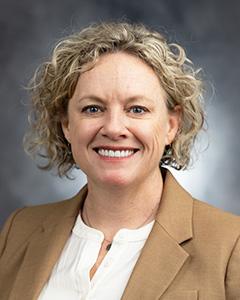
Sue Anne Bell
VerifiedUniversity of Michigan · Systems, Populations and Leadership
Active 1963–2026
About
Dr. Sue Anne Bell is a nurse scientist and family nurse practitioner whose work focuses on strengthening health systems and community resilience in the face of disasters and public health emergencies. Her research, supported by the NIH and NASA, examines how disasters affect health and healthcare delivery, particularly among older adults. She has served as a policy advisor and member of national advisory councils on disaster preparedness and health systems readiness, and is clinically active with the National Disaster Medical System with extensive field experience across the United States. Dr. Bell is an associate professor at the University of Michigan School of Nursing, where she contributes to academic programs and research initiatives related to disaster preparedness, healthcare resilience, aging, and emergency care.
Research topics
- Medicine
- Nursing
- Psychology
- Medical emergency
- Business
Selected publications
How Nurses Contribute to Global Health System Resilience: A Scoping Review of Empirical Studies
Prehospital and Disaster Medicine · 2026-03-01
articleOpen accessSenior authorIntroduction: The World Health Organization (WHO) has emphasized the need for the development of resilient health systems to meet current and future disaster readiness needs. The WHO has also emphasized mechanisms that will achieve this goal, including a focus on strengthening the global nursing workforce to achieve the Sustainable Development Goals. However, there is limited synthesized research focusing on the contributions of the nursing workforce in developing and fostering health system resilience globally. Methods: Using Joanna Briggs Institute methodology for scoping reviews, three databases (PubMed, CINAHL, and Scopus) were searched for publications from 2006 until April 2024. English-language research studies and quality or process improvement projects were included. Systematic reviews, as well as studies focused on individual resilience, were excluded. Studies meeting search criteria were exported and screened first by title and abstract, and subsequently underwent a full-text review using Covidence software. Quantitative and qualitative data from studies meeting inclusion criteria were extracted and analyzed according to study objectives to create a narrative synthesis. This study was registered in the Open Science Framework on May 28, 2024. Results: Eleven articles were included of the 795 total retrieved. Overall, there is limited discussion of the nursing workforce in health system resilience. Eight of the 11 articles (73%) suggest that the nursing workforce is involved in operationalizing resilience during disasters, 10 articles (91%) call for nurses to be leaders in policy and the development of resilient health systems, however, this review found zero reports in the literature of the nursing workforce’s role in the planning, development, and leadership of resilient systems. Conclusion: Nurses are essential to resilient health systems, however, there is limited research examining the nursing workforce and its contributions to resilient health systems, particularly within disaster contexts. More targeted research on nursing workforce contributions to achieve resilient health systems is needed.
Healing Minds on a Warming Planet: What is the Role of Mental Health Nurses in Climate Resilience?
Journal of Psychosocial Nursing and Mental Health Services · 2026-05-01
articleSenior authorThe Impact of Disasters on Mental Health Medication for People with Dementia
Prehospital and Disaster Medicine · 2026-03-01
articleOpen access1st authorCorrespondingIntroduction: Climate change is associated with increasing frequency and severity of extreme weather events, but little is known about the impact of disaster exposure on people living with dementia (PLWD). PLWD may experience increased confusion, disorientation, anxiety, and paranoia during disasters, potentially leading to the inappropriate use of psychotropic medications as a form of symptom management. This study examined new psychotropic prescription medications or changes to existing prescriptions among US Medicare beneficiaries with a dementia diagnosis following hurricane exposure. Methods: This study used a retrospective cohort design with administrative claims data from Medicare beneficiaries diagnosed with dementia. The study population included 71,401 beneficiaries residing in counties exposed to Hurricanes Harvey, Irma, or Florence between 2017 and 2018. Exposure to major hurricanes (Harvey, Irma, and Florence) was determined based on Federal Emergency Management Agency disaster declarations for affected counties. The primary outcome was the rate of new psychotropic prescriptions or changes to existing prescriptions within 12 months post-hurricane exposure, compared between beneficiaries in exposed versus unexposed counties. Results: PLWD exposed to hurricanes had a 10% higher rate of starting new antipsychotic prescriptions compared to those in unexposed counties (Incidence Rate Ratio [IRR]: 1.10; 95% CI, 1.04-1.17). Exposure to Hurricane Harvey was associated with a 20% higher rate of new antipsychotic prescriptions (IRR: 1.20; 95% CI, 1.07-1.36), while no significant changes were observed following Hurricanes Irma (IRR: 0.99; 95% CI, 0.90-1.08) or Florence (IRR: 0.92; 95% CI, 0.80-1.05). Conclusion: Exposure to Hurricane Harvey was associated with increased rates of new antipsychotic prescriptions among PLWD, suggesting that tailored disaster preparedness and response strategies are needed to address the unique needs of this vulnerable population. Understanding patterns in psychotropic medication prescribing among PLWD before, during, and after disasters is essential to improving disaster readiness and reducing inappropriate medication use.
Disasters in Disrupted Communities
Nursing Clinics of North America · 2026-03-14
articleSenior authorCorrespondingEnhancing Extreme Weather Preparedness Through Community Health Workers
Forefront Group · 2026-03-02
datasetInternational Journal of Africa Nursing Sciences · 2026-01-01
articleOpen accessSenior authorClimate-related disasters have increased globally, placing sustained pressure on health systems, particularly in low- and middle-income countries (LMICs). Nurses comprise the majority of the healthcare workforce, yet their perspectives are often underrepresented in disaster policy evaluation. To explore frontline nurses’ and disaster committee members’ perceptions of hospital disaster preparedness policies and their implementation at a public tertiary hospital in (Anonymized for Review). This qualitative study included focus group discussions with nurses and individual interviews with the hospital disaster committee members to assess disaster readiness at a 530-bed hospital serving 4.5 million people. An inductive analysis was conducted in the first phase, followed by a secondary interpretive phase in which a health policy evaluation framework was applied to contextualize and deepen interpretation of the findings. Three categories emerged: 1) Resource and staffing constraints, 2) Lack of clear communication and information channels both within facility and externally, and 3) Disruptions affecting workflow and patient care. Nurses reporting that chronic resource shortages, role ambiguity, and inconsistent communication limited operational feasibility of disaster policies. Disaster committee members highlighted structural and logistical barriers to implementing idealized protocols. These analyses revealed that the hospital operates at or near disaster capacity daily, complicating its ability to respond effectively to large-scale disasters. Frontline nurses play a crucial role in operationalizing and evaluating hospital disaster policies. Integrating their insights into planning, training, and policy development can improve feasibility, adherence, and patient care during disaster events. Recommendations include context-specific risk assessments, mandatory disaster drills for all clinical staff, formalized communication roles, and strategies to control access to hospital facilities during disaster events.
Extreme Heat and Older Adults: Results from a Nationally Representative Survey
Prehospital and Disaster Medicine · 2026-03-01
articleOpen access1st authorCorrespondingIntroduction: Extreme heat is an increasing health threat for older adults in the United States. Older adults are more likely than younger people to experience health effects during extreme heat events, often because of age-related physiological changes and social factors. The goal of this study was to understand experiences of extreme heat among older adults, including perceptions of current health risks and concerns about the impact of climate change on future generations. Methods: Data were analyzed from the August 2024 National Poll on Healthy Aging, a recurring nationally representative survey of community-dwelling adults aged 50 and older. Respondents were asked about experiences with and concerns about climate change and health, particularly extreme heat. Descriptive statistics characterized participants’ extreme heat experiences and levels of concern about the impact of climate change on health. Results: Of 3,463 respondents, 62.6% (n = 2,168, 95% CI 60.6 - 64.6) reported experiencing an extreme heat event in the past two years. 27.0% (n = 923, 95% CI 25.8 - 28.2) reported feeling very concerned about the effects of extreme heat on their health. Concerns were highest among those living in the Southern region of the United States (33% n = 1,091; 95% CI 30.1 - 35.9). Only 6% of the sample reported that their health care provider had discussed preparedness actions for climate-related health emergencies with them (95% CI 5.3 - 6.7). Overall, 42.7% (95% CI 39.9 - 45.6) reported feeling very concerned about the effects of climate change on the health of future generations. Conclusion: A significant proportion of older individuals in this study reported experiencing extreme heat events and expressed heightened concern for their health with these events. Few older adults reported receiving guidance from their healthcare providers on preparing for such events. Respondents also reported high levels of concern about the impacts of climate change on future generations.
International Emergency Nursing · 2025-03-06
articleJournal of the American Geriatrics Society · 2025-12-16
articleOpen access1st authorCorrespondingBACKGROUND: While the immediate effect of exposure to severe weather from hurricanes on mortality is well documented, it is unknown whether mortality in the year following exposure to severe weather differs across older Americans with specific vulnerable characteristics. This paper sought to determine whether the association between exposure to high rain and one-year mortality differs across vulnerable subgroups of older adults. METHODS: This retrospective cohort study used Medicare claims data from fee-for-service beneficiaries aged ≥ 65 in Texas and Louisiana in the year before and after Hurricane Harvey. Historical weather data was used to construct a 4-day measure of cumulative rainfall, the primary severe weather caused by Hurricane Harvey. We identified vulnerable subgroups based on five chronic health conditions requiring regular healthcare access, and sociodemographic factors (e.g., ≥ 85 years, dual eligibility). Cox proportional hazards regression was used to adjust for covariates when estimating the association between high rain exposure and mortality up to 1 year after exposure. RESULTS: In adjusted models, high rain exposure was significantly associated with greater mortality risk (HR 1.03, 95% CI 1.01-1.05). Among those with chronic health conditions including Alzheimer's disease and related dementias (ADRD) (HR 1.05 [95% CI 1.03, 1.08]), diabetes (HR 1.04 [1.02, 1.07]), and chronic kidney disease (HR 1.04 [1.01, 1.06]) exposed to high rain versus those unexposed to high rain, associations with high rain were found. Higher mortality was also observed among Non-Hispanic Black (HR 1.06 [95% CI 1.01, 1.11]) and Hispanic and Latino populations (HR 1.13 [95% CI 1.08, 1.19]). CONCLUSION: Exposure to high rain from Hurricane Harvey was associated with higher one-year mortality that varied across vulnerable groups. The largest associations were observed among older adults with health conditions that require regular healthcare (e.g., CKD, ADRD) and minoritized racial and ethnic groups.
Prescribing patterns of psychotropic medications among people living with dementia after disasters
Innovation in Aging · 2025-01-01 · 1 citations
articleOpen access1st authorCorrespondingBackground and Objectives: Disasters can worsen behavioral symptoms in people living with dementia, leading to disorientation, anxiety, and paranoia. In such situations, psychotropic medications may be inappropriately used to manage these symptoms. This study estimated the receipt of new, or changes to existing, psychotropic prescription medications post-disaster among fee-for-service Medicare beneficiaries with a dementia diagnosis. Research Design and Methods: Medicare administrative claims data were used to examine the relationship between hurricane exposure and receipt of antipsychotic prescriptions among people living with dementia with no prior use. The primary outcome was a daily count of new psychotropic prescriptions per beneficiary, from Part D claims, residing in exposed and unexposed counties 12 months after the hurricane landfall. The secondary outcome was a daily count of increases in the dosage of psychotropic prescriptions. Federal Emergency Management Agency disaster declarations were used to determine disaster-exposed groups. Results: A total of 70 307 traditional fee-for-service beneficiaries with a dementia diagnosis were included in the study. In analyses adjusted for age, sex, race/ethnicity, Part D low-income subsidy status, rurality and number of Elixhauser comorbidities conducted over a 12-month period following the three hurricanes, beneficiaries exposed to the hurricanes had a 10% higher rate of starting new antipsychotic prescriptions compared to those in unexposed counties (IRR: 1.10, 95% CI: 1.04-1.17). Analyses conducted by individual hurricanes revealed substantial differences, with higher rates of initiating antipsychotics following Hurricane Harvey (IRR: 1.21, 95% CI: 1.07-1.36), and no change after Hurricanes Irma (IRR: 0.97, 95% CI: 0.88-1.08) and Florence (IRR: 0.92, 95% CI: 0.80-1.05). Discussion and Implications: Psychotropic prescribing increased after Hurricane Harvey but not after Irma or Florence, suggesting context-specific factors may influence clinical responses during disasters. Our findings highlight the importance of incorporating person-centered care and appropriate behavioral health responses into disaster preparedness planning for the dementia population.
Recent grants
Individual and community drivers of hospitalizations for older adults after natural disaster
NIH · $1.0M · 2018–2024
Frequent coauthors
- 25 shared
Anne Cliff
Universidad de Londres
- 25 shared
Jane Child
Royal Botanic Garden Edinburgh
- 25 shared
Sarah Bard
Queen Mary University of London
- 25 shared
Valerie Cockayne
Universidad de Londres
- 25 shared
J. A. Barltrop
Worcester Polytechnic Institute
- 25 shared
A Albeedh
Queen Mary University of London
- 25 shared
Margaret Boakes
British Medical Association
- 25 shared
Ilana J. Hepner
Labs
Sue Anne Bell LabPI
Awards & honors
- Policy Impact Award, Institute for Healthcare Policy and Inn…
- Civilian Covid Response Medal, U.S. Department of Health and…
- Public Policy Advocate Award, American Nurses Association of…
- Nurse Researcher Award, Emergency Nurses Association, 2021
- Fellow, American Academy of Nursing, 2020
- Resume-aware match score
- Save to shortlist
- AI-drafted outreach
See your match with Sue Anne Bell
PhdFit ranks faculty by your research interests, methods, and publications — grounded in their actual work, not templates.
- Free to start
- No credit card
- 30-second signup