Resume-aware faculty matching

Find professors who actually fit you

Upload your resume. Four AI agents analyze your background, rank the faculty who fit, inspect their recent research, and help you draft outreach — grounded in their actual work, not templates.

Free to startNo credit cardCancel anytime
Top matches Balanced preset
Dr. Sarah Chen
Stanford · Interpretability · NLP
91
Dr. Marcus Holloway
MIT · Robotics · RL
84
Dr. Aisha Okonkwo
CMU · Fairness · HCI
82
Nova · Professor Researcher · re-ranking top 20…
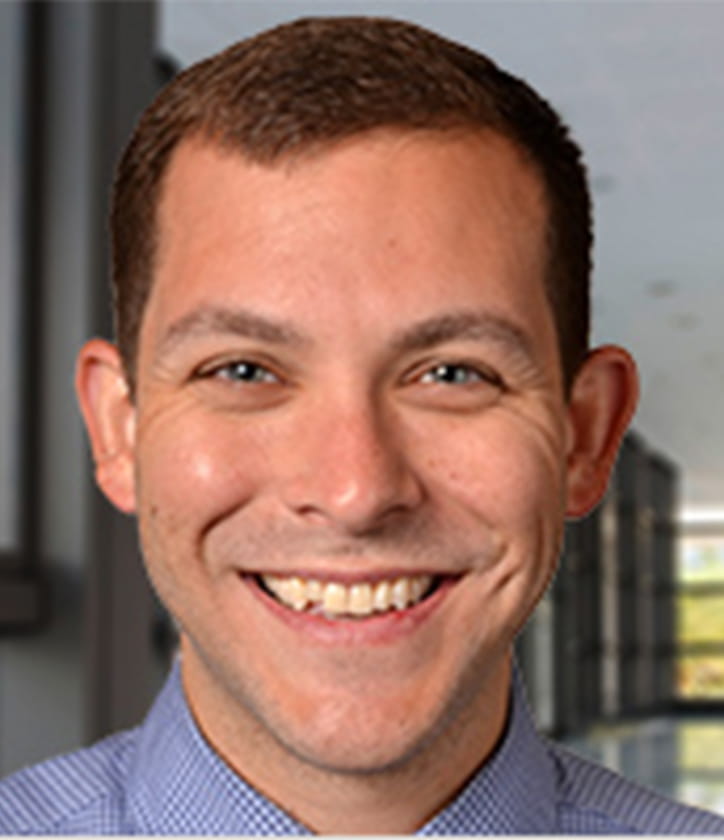
Timothy Hake

Timothy Hake

· Medical Director, Dodd Rehabilitation Hospital

Ohio State University · Rehabilitation Medicine

Active 1966–2020

h-index5
Citations317
Papers101 last 5y
Funding
See your match with Timothy Hake — sign in to PhdFit.Sign in

About

Timothy Hake, MD, is a board-certified physician in Physical Medicine & Rehabilitation and an Assistant Professor at The Ohio State University Wexner Medical Center. He specializes in diagnosing and treating conditions such as stroke, musculoskeletal injuries, and functional impairments related to neurological conditions. Dr. Hake is committed to providing high-quality, compassionate care and emphasizes honest communication with his patients. He collaborates with a multidisciplinary team to ensure personalized treatment tailored to each patient's needs and values. In addition to his clinical responsibilities, Dr. Hake is passionate about education and mentoring the next generation of providers. He serves as an assistant clinical professor of Physical Medicine and Rehabilitation at The Ohio State University College of Medicine. His research interests include medical education, and he actively engages in academic activities within the Department of Physical Medicine & Rehabilitation.

Research topics

  • Anesthesia
  • Medicine
  • Internal medicine

Selected publications

  • Platelet-Rich Plasma Content of Active Spinal Cord Injured Patients

    American Journal of Physical Medicine & Rehabilitation · 2020 · 2 citations

    • Medicine
    • Anesthesia
    • Internal medicine

    OBJECTIVE: Platelet-rich plasma has potential uses for patients with spinal cord injuries. However, no study has quantified the cellular and growth factor content of platelet-rich plasma in this population. This study aimed to analyze (1) platelet-rich plasma content of spinal cord injury subjects and (2) the effect of high-intensity interval exercise on their platelet-rich plasma. DESIGN: Ten spinal cord injury patients and 10 controls were enrolled. At rest, platelet-rich plasma was created from both groups. The spinal cord injury group then performed high-intensity interval exercise and underwent a second blood draw to create post-high-intensity interval exercise platelet-rich plasma. Complete blood counts and growth factor analysis (via enzyme-linked immunosorbent assay) was performed on all platelet-rich plasma. RESULTS: The spinal cord injury group had lower platelets (305,700 ± 85,697/μl vs 380,800 ± 57,301/μl, P = 0.015) and transforming growth factor β (12.84 ± 1.58 vs 14.33 ± 0.63 ng/ml, P = 0.023). Four minutes of high-intensity interval exercise increased the platelets (305,700 ± 85,697/μl to 399,200 ± 96,251/μl, P = 0.004), leukocytes (906 ± 930 vs 2504 ± 3765/μl, P = 0.002) and transforming growth factor β (12.84 ± 1.58 to 14.28 ± 1.21 ng/ml, P = 0.020). CONCLUSIONS: Spinal cord injury patients have fewer platelets and transforming growth factor β in their platelet-rich plasma at baseline compared with controls. Exercise increased platelet, leukocyte, and transforming growth factor β yield, compensating for the baseline deficits.

  • Multiple Hereditary Exostoses Presenting as Painful Shoulder and Knee Masses

    American Journal of Physical Medicine & Rehabilitation · 2019-12-05

    article1st author

    From the Department of Physical Medicine and Rehabilitation, The Ohio State University, Columbus, Ohio (TH); Department of Physical Medicine and Rehabilitation, The Ohio State University Sports Medicine Research Institute, Columbus, Ohio (MRB); and Department of Orthopedic Surgery, The Ohio State University, Columbus, Ohio (JM). All correspondence should be addressed to: Michael R. Baria, MD, MBA, 2835 Fred Taylor Dr, Columbus, OH 43202. Timothy Hake is in training. Financial disclosure statements have been obtained, and no conflicts of interest have been reported by the authors or by any individuals in control of the content of this article.

  • Promoter-Specific Hypomethylation Is Associated with Overexpression of PLS3, GATA6, and TWIST1 in the Sezary Syndrome

    Journal of Investigative Dermatology · 2015-03-25 · 33 citations

    articleOpen access
  • Promoter Methylation Regulates SAMHD1 Gene Expression in Human CD4+ T Cells

    Journal of Biological Chemistry · 2013-02-21 · 81 citations

    articleOpen access

    The retrovirus restriction factor SAMHD1 is the first identified mammalian dNTP triphosphohydrolase that is highly expressed in human myeloid lineage cells and CD4(+) T lymphocytes. Although SAMHD1 expression is variable in human cell lines and tissue types, mechanisms underlying SAMHD1 gene regulation have not been defined. Recent studies showed that SAMHD1 is highly expressed in human primary CD4(+) T lymphocytes, but not in some CD4(+) T cell lines. Here, we report that SAMHD1 expression varies among four CD4(+) T cell lines and is transcriptionally regulated. Cloning and sequence analysis of the human SAMHD1 promoter revealed a CpG island that is methylated in CD4(+) T cell lines (such as Jurkat and Sup-T1), resulting in transcriptional repression of SAMHD1. We also found that the SAMHD1 promoter is unmethylated in primary CD4(+) T lymphocytes, which express high levels of SAMHD1, indicating a direct correlation between the methylation of the SAMHD1 promoter and transcriptional repression. SAMHD1 expression was induced in CD4(+) T cell lines by blocking DNA methyltransferase activity, suggesting that promoter methylation is one of the key epigenetic mechanisms by which SAMHD1 expression is regulated.

  • Downregulation of SAMHD1 Expression Correlates with Promoter DNA Methylation in Sézary Syndrome Patients

    Journal of Investigative Dermatology · 2013-07-24 · 52 citations

    letterOpen access
  • Impaired Proteasome Function Activates GATA3 in T Cells and Upregulates CTLA-4: Relevance for

    2013-01-01

    article

    Highly regulated expression of the negative costimulatory molecule cytotoxic T-lymphocyte antigen-4 (CTLA-4) on T cells modulates T-cell activation and proliferation. CTLA-4 is preferentially expressed in Th2 T cells, whose differentiation depends on the transcriptional regulator GATA3. Sezary syndrome (SS) is a T-cell malignancy characterized by Th2 cytokine skewing, impaired T-cell responses, and overexpression of GATA3 and CTLA-4. GATA3 is regulated by phosphorylation and ubiquitination. In SS cells, we detected increased polyubiquitinated proteins and activated GATA3. We hypothesized that proteasome dysfunction in SS T cells may lead to GATA3 and CTLA-4 overexpression. To test this hypothesis, we blocked proteasome function with bortezomib in normal T cells, and observed sustained GATA3 and CTLA-4 upregulation. The increased CTLA-4 was functionally inhibitory in a mixed lymphocyte reaction (MLR). GATA3 directly transactivated the CTLA-4 promoter, and knockdown of GATA3 messenger RNA and protein inhibited CTLA-4 induction mediated by bortezomib. Finally, knockdown of GATA3 in patient's malignant T cells suppressed CTLA-4 expression. Here we demonstrate a new T-cell regulatory pathway that directly links decreased proteasome degradation of GATA3, CTLA-4 upregulation, and inhibition of T-cell responses. We also demonstrate the requirement of the GATA3/CTLA-4 regulatory pathway in fresh neoplastic CD4 þ Tcells. Targeting of this pathway may be beneficial in SS and other CTLA-4-overexpressing T-cell neoplasms.

  • Impaired Proteasome Function Activates GATA3 in T Cells and Upregulates CTLA-4: Relevance for Sézary Syndrome

    Journal of Investigative Dermatology · 2012-09-06 · 45 citations

    articleOpen access
  • Evolving Insights in the Pathogenesis and Therapy of Cutaneous T‐cell lymphoma (Mycosis Fungoides and Sezary Syndrome)

    British Journal of Haematology · 2011-08-25 · 149 citations

    review

    Cutaneous T-cell lymphomas (CTCL) are a heterogeneous group of malignancies derived from skin-homing T cells. The most common forms of CTCL are Mycosis Fungoides (MF) and Sezary Syndrome (SS). Accurate diagnosis remains a challenge due to the heterogeneity of presentation and the lack of highly characteristic immunophenotypical and genetic markers. Over the past decade molecular studies have improved our understanding of the biology of CTCL. The identification of gene expression differences between normal and malignant T-cells has led to promising new diagnostic and prognostic biomarkers that now need validation to be incorporated into clinical practice. These biomarkers may also provide insight into the mechanism of development of CTCL. Additionally, treatment options have expanded with the approval of new agents, such as histone deacetylase inhibitors. A better understanding of the cell biology, immunology and genetics underlying the development and progression of CTCL will allow the design of more rational treatment strategies for these malignancies. This review summarizes the clinical epidemiology, staging and natural history of MF and SS; discusses the immunopathogenesis of MF and the functional role of the malignant T-cells; and reviews the latest advances in MF and SS treatment.

  • Rubber based impression materials.

    PubMed · 1968-01-01 · 1 citations

    article
  • [Collegen and apatite in healthy and carious dentin].

    PubMed · 1966-01-01 · 1 citations

    article

Frequent coauthors

  • Pierluigi Porcu

    Sidney Kimmel Cancer Center

    8 shared
  • Henry K. Wong

    8 shared
  • Anjali Mishra

    Holy Family Hospital

    7 shared
  • Heather M. Gibson

    The Barbara Ann Karmanos Cancer Institute

    6 shared
  • Guido Marcucci

    City of Hope

    4 shared
  • Susan M. Geyer

    Mayo Clinic

    4 shared
  • Michael A. Caligiuri

    4 shared
  • Julie Frederickson

    2 shared
  • Resume-aware match score
  • Save to shortlist
  • AI-drafted outreach

See your match with Timothy Hake

PhdFit ranks faculty by your research interests, methods, and publications — grounded in their actual work, not templates.

  • Free to start
  • No credit card
  • 30-second signup