About
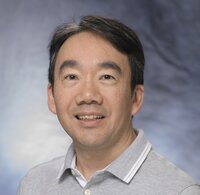
Professor Tony Wong is a faculty member and Chair of the Astronomy department at the University of Illinois Urbana-Champaign. His research group focuses on using observations of interstellar gas in galaxies to understand their structure and evolution. Specifically, they study carbon monoxide (CO), which is an abundant tracer of molecular gas in galaxies. Their investigations explore the relationships between molecular clouds, their host galaxies, and the rate of star formation. Additionally, Professor Wong's research utilizes gas as a probe to study the dynamics of galaxy disks. He has been recognized multiple times on the Excellent Teachers List, reflecting his commitment to education. Professor Wong teaches courses including Introduction to Astrophysics, Planetary Systems, Galaxies and the Universe, and advanced topics in Galaxies. He earned his Ph.D. in Astrophysics and M.A. in Astronomy from the University of California, Berkeley, and holds a B.A. in Physics and Astronomy from Harvard University.
Research topics
- Physics
- Astrophysics
- Astronomy
- Computer Science
- Geology
- Environmental science
Selected publications
The fragmentation properties of massive star-forming regions in 30Dor-10 at 2000 au resolution
Nature Communications · 2026-04-22
articleOpen accessThe fragmentation properties of parsec- scale clumps play a fundamental role in shaping the dense gas condensations known as cores, the immediate progenitor of stars. The distribution of core masses, the so-called core mass function, is the precursor of the stellar initial mass function, which governs the distribution of stellar masses and, consequently, the evolution of galaxies. The stellar initial mass function is often described by a typical Salpeter-like slope, although deviations toward more top-heavy distributions have been reported in extreme environments, raising questions about its universality and about the physical connection between the two mass functions. To date, there are no observational constraints on the core mass function and its link to the initial mass function beyond the Milky Way. Here we present a study of the fragmentation properties and the measurement of the core mass function in an external galaxy, focusing on the 30Dor-10 region in the Large Magellanic Cloud, using high resolution observations that probe spatial scales down to 2000 au. Robust statistical analysis demonstrates that the core mass function is consistent with a Salpeter-like slope and suggests that variations in the stellar mass distribution arise from evolutionary processes rather than from initial fragmentation. Salpeter-like slope can often describe the stellar initial mass function, but its universality and the link with core mass function are unknown. Here, the authors show high resolution observations of three massive clumps in 30Dor-10 region, which are consistent with Salpeter-like slope, supporting an evolving and multi-scale star formation scenario.
The Karl G. Jansky Very Large Array Local Group <i>L</i>-Band Survey (LGLBS)
The Astrophysical Journal Supplement Series · 2025-07-17 · 6 citations
articleOpen accessSenior authorAbstract We present the Local Group L -Band Survey, a Karl G. Jansky Very Large Array (VLA) survey producing the highest-quality 21 cm and 1–2 GHz radio continuum images to date, for the six VLA-accessible, star-forming, Local Group galaxies. Leveraging the VLA’s spectral multiplexing power, we simultaneously survey the 21 cm line at high 0.4 km s −1 velocity resolution, the 1–2 GHz polarized continuum, and four OH lines. For the massive spiral M31, the dwarf spiral M33, and the dwarf irregular galaxies NGC 6822, IC 10, IC 1613, and the Wolf–Lundmark–Melotte Galaxy, we use all four VLA configurations and the Green Bank Telescope to reach angular resolutions of <5″ (10–20 pc) for the 21 cm line with <10 20 cm −2 column density sensitivity, and even sharper views (<2″; 5–10 pc) of the continuum. Targeting these nearby galaxies ( D ≲ 1 Mpc) reveals a sharp, resolved view of the atomic gas, including 21 cm absorption, and continuum emission from supernova remnants and H ii regions. These data sets can be used to test theories of the abundance and formation of cold clouds, the driving and dissipation of interstellar turbulence, and the impact of feedback from massive stars and supernovae. Here, we describe the survey design and execution, scientific motivation, data processing, and quality assurance. We provide a first look at and publicly release the wide-field 21 cm H i data products for M31, M33, and four dwarf irregular targets in the survey, which represent some of the highest-physical-resolution 21 cm observations of any external galaxies beyond the LMC and SMC.
Picture an Astronomer: Best Practices for Retaining Talent in Astrophysics
ArXiv.org · 2025-12-30
articleOpen accessWomen are consistently underrepresented in astrophysics yet are simultaneously subject to disproportionate attrition at every career stage. This disparity between demonstrated efficacy in job performance and ultimate career outcome was the primary motivation for the Picture an Astronomer series, which included both targeted public outreach to increase representation of women in astrophysics and high-level, solution-oriented discussions among professional astronomers. In March 2025, more than 200 astronomers came together in a hybrid-format symposium focused on the state of the field for female scientists, combining scientific exchange with discussions of policies and practices to strengthen retention of talent in the field. This white paper is the result of those discussions, offering a wide range of recommendations developed in the context of gendered attrition in astrophysics but which ultimately support a healthier climate for all scientists alike.
Medical Physics · 2025-12-01 · 1 citations
articleBACKGROUND: Standardizing beam modeling in the treatment planning system is challenging due to machine-specific configuration variations. Because of the proton therapy system (PTS) complexity and continuous development, there is no vendor's representative ("golden") beam data like in LINACs at this stage. PURPOSE: The primary goal of this study is to create a PTS-specific repository of source model parameters and beam commissioning data for scanning proton therapy treatment planning systems and establish a set of reference values with associated bands of variations for this data. METHODS: ) and (iv) distal falloff. For each PTS, we plotted each parameter as a function of nominal energy and performed polynomial regression analysis with optimal model selection based on Akaike Information Criterion. We calculated intraclass correlation coefficients (ICC) to quantify inter-PTS variability and generated uncertainty bands representing standard deviations across PTSs for each parameter. Additionally, we computed percentage deviations of each individual PTS from the overall multivendor mean to identify systematic vendor-specific patterns and outliers across the 31 total PTSs analyzed. RESULTS: Multivendor beam parameter analysis across 31 PTSs revealed systematic vendor-specific patterns in interPTS consistency and energy dependencies. Beam meterset calibration demonstrated excellent interPTS consistency across most vendors (ICC: Varian ProBeam ≈ 0, IBA Proteus ONE = 0.006, Mevion S250i with HYPERSCAN = 0.015), with IBA Proteus PLUS systems showing moderate variation (ICC = 0.156 for the dedicated nozzle, ICC = 0.248, for the universal nozzle). Spot size and angular spread variability were highly vendor-dependent, ranging from excellent consistency in IBA Proteus ONE to substantial variation in IBA Proteus PLUS with the universal nozzle (angular spread ICC = 0.566). Distal falloff maintained excellent consistency across all vendors (ICC < 0.023), indicating reliable energy spread characteristics. Uncertainty band analysis revealed characteristic energy-dependent patterns, with most systems showing larger uncertainties at lower energies for spot size and angular spread, while IBA Proteus PLUS with the universal nozzle exhibited the largest uncertainty bands overall. Percentage deviation analysis demonstrated vendor-specific clustering patterns, with some systems showing systematic positive or negative deviations from the multi-vendor mean. CONCLUSIONS: The reference data provided in this work will help to cross-check the beam model during treatment planning system commissioning. Furthermore, this information is useful for Monte Carlo applications and research, where beam characteristics are required to set up phase space parameters, thereby avoiding the need to model the entire PTS. Finally, the results of this study will have indispensable educational value by providing valuable insights into the characteristics and capabilities of different PTSs.
Picture an Astronomer: Best Practices for Retaining Talent in Astrophysics
arXiv (Cornell University) · 2025-12-30
preprintOpen accessWomen are consistently underrepresented in astrophysics yet are simultaneously subject to disproportionate attrition at every career stage. This disparity between demonstrated efficacy in job performance and ultimate career outcome was the primary motivation for the Picture an Astronomer series, which included both targeted public outreach to increase representation of women in astrophysics and high-level, solution-oriented discussions among professional astronomers. In March 2025, more than 200 astronomers came together in a hybrid-format symposium focused on the state of the field for female scientists, combining scientific exchange with discussions of policies and practices to strengthen retention of talent in the field. This white paper is the result of those discussions, offering a wide range of recommendations developed in the context of gendered attrition in astrophysics but which ultimately support a healthier climate for all scientists alike.
Proton therapy for adrenal cortical carcinomas: Clinical outcomes and dosimetric advantages
International Journal of Particle Therapy · 2025-03-01
articleOpen accessAstronomy and Astrophysics · 2025-04-09 · 3 citations
articleOpen accessSenior authorGalaxy quenching, the intricate process through which galaxies transition from active star-forming states to retired ones, remains a complex phenomenon that requires further investigation. This study investigates the role of active galactic nuclei (AGNs) in regulating star formation by analyzing a sample of 643 nearby galaxies with redshifts between 0.005 and 0.03 from the Calar Alto Legacy Integral Field Area (CALIFA) survey. Galaxies were classified according to the Quenching Stages and Nuclear Activity ( QueStNA ) scheme, which categorizes them based on their quenching stage and the presence of nuclear activity. We further utilized the integrated Extragalactic Database for Galaxy Evolution (iEDGE), which combined homogenized optical integral field unit and CO observations. This allowed us to examine how AGNs influence the molecular gas reservoirs of active galaxies compared to their non-active counterparts at similar evolutionary stages. Our Kolmogorov–Smirnov and χ 2 tests indicate that the star formation property distributions and scaling relations of AGN hosts are largely consistent with those of non-active galaxies. However, AGN hosts exhibit systematically higher molecular gas masses across all quenching stages except for the quiescent nuclear ring stage. We find that AGN hosts follow the expected trends of non-active quenching galaxies, characterized by a lower star formation efficiency and molecular gas fraction compared to star-forming galaxies. Our results suggest that signatures of instantaneous AGN feedback are not prominent in the global molecular gas and star formation properties of galaxies.
Transformative principles for circular economy transitions in the Global South
npj Urban Sustainability · 2025-06-03 · 9 citations
articleOpen accessWaste management is critical for addressing interconnected social and environmental crises associated with urbanisation, pollution, and climate change. Circular Economy (CE) is a popular approach in policy-making and the private sector to re-envision waste management beyond current take-make-dispose models. Despite the potential to promote radical reconfiguration of unsustainable regimes of resource extraction and consumerism, CE is critiqued as a techno-centric, top-down model with ambiguous environmental and social outcomes, particularly for marginalised communities in the Global South. This paper develops a transformative approach to CE transitions integrating systems change and social justice dimensions, informed by CE, sustainability transitions, and participatory design literatures. Based on a review of 33 empirical cases centring Global South perspectives, we propose and illustrate 10 transformative principles. We conclude that these principles offer a promising, sustainable, and just approach to operationalise CE in Global South contexts whose relevance should be tested through deliberate design of CE initiatives.
ArXiv.org · 2025-07-08
preprintOpen accessStudying galaxy evolution requires knowledge not only of the stellar properties, but also of the interstellar medium (in particular the molecular phase) out of which stars form, using a statistically significant and unbiased sample of galaxies. To this end, we introduce here the integrated Extragalactic Database for Galaxy Evolution (iEDGE), a collection of integrated stellar and nebular emission lines, and molecular gas properties from 643 galaxies in the local Universe. These galaxies are drawn from the CALIFA datasets, and are followed up in CO lines by the APEX, CARMA, and ACA telescopes. As this database is assembled from data coming from a heterogeneous set of telescopes (including IFU optical data and single-dish and interferometric CO data), we adopted a series of techniques (tapering, spatial and spectral smoothing, and aperture correction) to homogenise the data. Due to the application of these techniques, the database contains measurements from the inner regions of the galaxies and for the full galaxy extent. We used the database to study the fundamental star formation relationships between star formation rate (SFR), stellar mass ($M_*$), and molecular gas mass ($M_{\rm mol}$) across galaxies with different morphologies. We observed that the diagrams defined by these quantities are bi-modal, with early-type passive objects well separated from spiral star-forming galaxies. Additionally, while the molecular gas fraction ($f_{\rm mol}=M_{\rm mol}/M_*$) decreases homogeneously across these two types of galaxies, the star formation efficiency (SFE=SFR/$M_{\rm mol}$) in the inner regions of passive galaxies is almost two orders of magnitude lower compared to the global values. This indicates that inside-out quenching requires not only low $f_{\rm mol}$, but also strongly reduced SFE in the galactic centres.
Clinical and Translational Radiation Oncology · 2025-07-02 · 1 citations
articleOpen accessPurpose: Although simultaneous integrated boost and protection with proton beam therapy (SIB-PBT) facilitates tumor dose escalation while maintaining organ-at-risk (OAR) dose constraints, clinical outcomes are limited. This study assessed the safety and efficacy of using the SIB-PBT technique in hepatocellular carcinoma (HCC) patients. Methods: We reviewed 47 patients with HCC who underwent SIB-PBT between 2014-2021. The radiation dose ranged from 36-67.5 Gy(RBE) in 15 fractions. SIB-PBT was used for the following reasons: minimize high-dose exposure to organs-at-risk (OARs) (n = 22, 47 %), treat targets with different dose levels (n = 6, 13 %), or both (n = 19, 40 %). Survival, local control, and toxicities were assessed using Kaplan-Meier, Fine-Gray cumulative incidence, and descriptive statistics, respectively. Results: , respectively. Most patients (91 %) received a D0.5 cc of <45 Gy(RBE) to luminal GI OARs. At a median follow-up of 22 months (range, 0.8-77.0 months), the 2-year cumulative incidence of local failure was 12 %. The 2-year progression-free survival and overall survival rates were 12 % (95 % CI 4.7-23.4 %), and 49 % (95 % CI, 33.2-63.2 %), respectively. One patient experienced grade 3 acute nausea/vomiting. No GI bleeding/ulcers or grade 4 + toxicity were observed. CP + 2 occurred in 5 patients. Conclusion: SIB-PBT enables OAR protection along with heterogeneous tumor dose escalation and is a safe and effective treatment for HCC tumors.
Recent grants
Frequent coauthors
- 101 shared
Annie Hughes
Institut de Recherche en Astrophysique et Planétologie
- 85 shared
Leo Blitz
University of California, Berkeley
- 72 shared
M. Tanaka
Institute of Particle and Nuclear Studies
- 70 shared
Erik Muller
- 68 shared
J. Ott
- 68 shared
Alberto D. Bolatto
- 67 shared
P. Tinyakov
Université Libre de Bruxelles
- 66 shared
М. С. Пширков
Labs
Awards & honors
- Multiple appearances on the Excellent Teachers List
- Resume-aware match score
- Save to shortlist
- AI-drafted outreach
See your match with Tony Wong
PhdFit ranks faculty by your research interests, methods, and publications — grounded in their actual work, not templates.
- Free to start
- No credit card
- 30-second signup