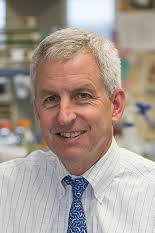
William E. Bentley
· Robert E. Fischell Distinguished Professor, Director, Robert E. Fischell Institute for Biomedical Devices, Director, Maryland Technology Enterprise InstituteVerifiedUniversity of Maryland, College Park · Bioengineering
Active 1986–2026
About
William E. Bentley is the Robert E. Fischell Distinguished Professor of Engineering and was the founding Chair of the Fischell Department of Bioengineering at the University of Maryland. He is the Inaugural Director of the Robert E. Fischell Institute for Biomedical Devices and also serves as the director of the Maryland Technology Enterprise Institute (Mtech). His academic appointments include the Department of Chemical and Biomolecular Engineering at the University of Maryland, College Park, and the Institute for Bioscience and Biotechnology Research. Since joining Maryland in 1989, Dr. Bentley has focused his research on developing molecular tools that facilitate the expression of biologically active proteins. His work includes deciphering and manipulating signal transduction pathways, particularly bacterial communication networks, to alter cell phenotypes. His laboratory develops strategies to open communication between devices and biological systems through the creation of biologically functional interfaces, contributing to fields such as biofabrication and bioelectronics. He has authored over 350 publications related to biomolecular and metabolic engineering, cell-cell communication, heterologous protein expression, and device/bio interfaces. Dr. Bentley has served on advisory committees for numerous agencies including NIH, NSF, DOD, DOE, FDA, and USDA, and has mentored more than 40 PhD students and 15 postdoctoral researchers, many of whom hold leadership roles in industry, government, and academia. He co-founded Chesapeake PERL, a protein manufacturing company based on insect larvae as mini bioreactors. His numerous awards include the SIM’s Schering-Plough Young Investigator Award, the Charles Thom Award of the SIMB, the Marvin Johnson Award of the BIOT Division in the ACS, and the AIChE’s FPB Division Award. He is a Fellow of the ACS, AAAS, and AIMBE, and an elected member of the American Academy of Microbiology.
Research topics
- Biology
- Computer Science
- Chemistry
- Computational biology
- Engineering
- Biochemical engineering
- Materials science
- Biological system
- Biotechnology
- Combinatorial chemistry
- Chemical engineering
- Bioinformatics
- Genetics
- Ecology
- Organic chemistry
- Evolutionary biology
- Composite material
- Cell biology
- Nanotechnology
Selected publications
Gastroenterology · 2026-05-01
articleGastrointestinal Endoscopy · 2026-05-01
articleBiophysical Journal · 2026-02-01
articleSenior authorbioRxiv (Cold Spring Harbor Laboratory) · 2025-06-25 · 3 citations
preprintOpen accessAbstract Inflammatory bowel diseases (IBD) affect over 6 million people globally and current treatments achieve only 10-20% rates of durable disease remission. Bacterial extracellular vesicles (BEVs) from probiotic lactic acid bacteria (LAB) are a promising novel therapeutic with mechanisms holding potential to drive increased rates of durable disease remission, including immunomodulation and intestinal epithelial tissue repair. However, translation of these cell-secreted nanovesicles is limited by long standing biomanufacturing hurdles, especially low production yields due to low biogenesis rates from cells. Here, our goal was to identify a candidate probiotic LAB that produces BEVs effective in a preclinical mouse model of IBD, and then genetically engineer the LAB for at least 10-fold increased production yields of BEVs, thereby passing a critical production threshold. We identified Lactiplantibacillus plantarum as a candidate LAB producing BEVs effective in treating acute dextran sulfate sodium (DSS)-induced murine colitis, and with greater efficacy than BEVs from probiotic Escherichia coli Nissle 1917. We then genetically engineered a hypervesiculating L. plantarum strain by inducible expression of a peptidoglycan-modifying enzyme, resulting in a 66-fold increase in BEV productivity. Finally, we confirmed hypervesiculating L. plantarum BEVs were therapeutically effective in the acute DSS mouse model of colitis and found these BEVs were superior in reducing mucosal tissue damage compared to live L. plantarum cells. These findings demonstrate that BEVs from genetically engineered hypervesiculating strain of L. plantarum are a promising preclinical therapeutic candidate for IBD that overcomes historical biomanufacturing limitations of BEV therapeutics.
2025-02-25
peer-reviewSSRN Electronic Journal · 2025-01-01
preprintOpen accessMeasuring oxidative stress by the iridium reducing capacity assay (Ir-RCA)
Advances in Redox Research · 2025-03-28 · 2 citations
articleOpen access• The Ir-RCA is a potential global measurement for oxidative stress. • The Ir-RCA measures stable features in a biological sample. • The Ir-RCA is more sensitive than other global antioxidant (reducing capacity) assays. • Ir-RCA measurements are "movable", allowing the measurement of dynamic responses to external stressors. Oxidative stress appears to act globally and span body systems (e.g., nervous, immune, and endocrine). Currently, there is no single, generally-accepted measurement of oxidative stress. Many possible measurement approaches focus on the bottom-up analysis of individual molecules (e.g., reactive species, antioxidants, hormones or signaling molecules) or combinations of molecules (e.g., proteomics or metabolomics). Efforts to develop a global measurement of oxidative stress often detect a sample's ability to reduce a metal-ion (e.g., iron or copper) or quench a free radical. Here, we review results from a recently-developed iridium-reducing capacity assay (Ir-RCA) and suggest that this method offers several key benefits as a potential measurement of oxidative stress. First, the Ir-RCA employs simple optical and/or electrochemical measurements that can be extended to high throughput formats. Second, the Ir-RCA appears to be more sensitive than alternative global antioxidant assays. Third, the Ir-RCA measures stable molecular features of a sample. Fourth, the Ir-RCA has been “validated” by showing statistically significant differences in persons diagnosed with schizophrenia ( N = 73) versus healthy controls ( N = 45). Fifth, the Ir-RCA measurement of oxidative stress is “movable”: psychosocial stressors can increase this measure of oxidative stress, while beneficial dietary interventions can decrease this measure of oxidative stress. Limitations and future directions for the Ir-RCA are discussed.
Advanced Science · 2025-11-26
articleOpen accessInflammatory bowel diseases (IBD) affect over 6 million people globally and current treatments achieve only 10-20% rates of durable disease remission. Bacterial extracellular vesicles (BEVs) from probiotic lactic acid bacteria (LAB) are a promising novel therapeutic with mechanisms holding potential to drive increased rates of durable disease remission, including immunomodulation and intestinal epithelial tissue repair. However, translation of these cell-secreted nanovesicles is limited by long standing biomanufacturing hurdles, especially low production yields due to low biogenesis rates from cells. Here, Lactiplantibacillus plantarum is identified as a candidate LAB producing BEVs effective in treating acute dextran sulfate sodium (DSS)-induced murine colitis with greater efficacy than BEVs from probiotic Escherichia coli Nissle 1917. Genetic engineering of L. plantarum to create a hypervesiculating strain via inducible expression of a peptidoglycan-modifying enzyme is shown to enable a 66-fold increase in BEV productivity. Finally, hypervesiculating L. plantarum BEVs are confirmed to be therapeutically effective in the acute DSS mouse model of colitis, with superior reduction of mucosal tissue damage compared to live L. plantarum cells. These findings demonstrate that BEVs from genetically engineered hypervesiculating strain of L. plantarum are a promising preclinical therapeutic candidate for IBD that overcomes historical biomanufacturing limitations of BEV therapeutics.
PLoS Pathogens · 2025-07-07 · 1 citations
articleOpen accessCorrespondingIt has been long appreciated that expression of the Yersinia type-III secretion system (T3SS) in culture is associated with growth arrest. Here we sought to understand whether T3SS expression is sufficient to trigger loss of exponential phase markers, and utilized a fluorescent reporter for ribosomal protein expression to detect changes in bacterial growth state. Using a fluorescent transcriptional reporter with the rpsJ/S10 promoter fused to a destabilized gfp variant, we confirmed reporter expression significantly increases in exponential phase and decreases as cells transition to stationary phase. In a mouse model of systemic Y. pseudotuberculosis infection, we found multiple subsets of bacterial cells in the mouse spleen, including cells with high T3SS and low S10 expression and cells with high expression of both markers. In bacterial media, growth inhibition with T3SS induction and a reduction in S10 expression were observed, but a significant proportion of cells retained high expression of both T3SS and S10. Paradoxically, while loss of T3SS expression rescued growth, lower S10 expression was detected, again indicating bacteria can express both markers simultaneously. In media, bacteria grow planktonically as individual cells, while in mouse tissues, bacteria form clustered extracellular communities. We utilized droplet-based microfluidics to encapsulate bacteria in spherical agarose droplets and model clustered growth, and observed high expression of T3SS without an impact on S10 levels. Finally, we show that T3SS expression is sufficient to promote antibiotic tolerance, but surviving bacteria in a gentamicin treatment mouse model specifically express low S10. Collectively, these data indicate that the growth arrest associated with T3SS induction can reduce antibiotic susceptibility, but cells surviving antibiotic treatment display lower levels of the exponential phase marker, S10.
3D Printed Spectroelectrochemical Platform for Redox‐Based Bioelectronics
Small Methods · 2025-01-29 · 4 citations
articleOpen accessSenior authorCorrespondingAbstract Redox provides unique opportunities for interconverting molecular/biological information into electronic signals. Here, the fabrication of a 3D‐printed multiwell device that can be interfaced into existing laboratory instruments (e.g., well‐plate readers and microscopes) to enable advanced redox‐based spectral and electrochemical capabilities is reported. In the first application, mediated probing is used as a soft sensing method for biomanufacturing: it is shown that electrochemical signal metrics can discern intact mAbs from partially reduced mAb variants (fragmentation), and that these near‐real‐time electrical measurements correlate to off‐line chemical analysis. In the second application, operando spectroelectrochemical measurements are used to characterize a redox‐active catechol‐based hydrogel film: it is shown that electron transfer into/from the film correlates to the molecular switching of the film's redox state with the film's absorbance increasing upon oxidation and the film's fluorescence increasing upon reduction. In the final example, a synthetic biofilm containing redox‐responsive E. coli is electro‐assembled: it is shown that gene expression can be induced under reducing conditions (via reductive H 2 O 2 generation) or oxidative conditions (via oxidation of a phenolic redox‐signaling molecule). Overall, this work demonstrates that 3D printing allows the fabrication of bespoke electrochemical devices that can accelerate the understanding of redox‐based phenomena in biology and enable the detection/characterization redox activities in technology.
Recent grants
An integrated approach, using biofabrication and chemical synthesis, to study cell signaling
NSF · $400k · 2013–2016
NSF · $1.5M · 2022–2026
Accessing molecular communication via synthetic biology and microelectronics – gut on a chip model
NIH · $412k · 2017–2019
NSF · $1.1M · 2010–2012
Bio-Based "Molectronic" Devices for Bidirectional Molecular-to-Electronic Signal Transduction
NSF · $384k · 2018–2021
Frequent coauthors
- 290 shared
Gregory F. Payne
- 180 shared
Gregory F. Payne
Institute for Bioscience and Biotechnology Research
- 148 shared
Eunkyoung Kim
- 123 shared
Reza Ghodssi
University of Maryland, College Park
- 117 shared
Rakesh Govind
University of Maryland, Baltimore County
- 117 shared
Chen‐Yu Tsao
University of Maryland, College Park
- 97 shared
Gary W. Rubloff
- 94 shared
Yi Liu
Beihang University
Awards & honors
- Robert E. Fischell Distinguished Chair of Engineering (2016)
- Charles Thom Award, Society of Industrial Microbiology and B…
- Elected Fellow, American Chemical Society (ACS) (2013)
- Elected Member, Electorate Nominating Committee, American As…
- AIChE Food, Pharmaceutical and Bioengineering Division Award…
- Resume-aware match score
- Save to shortlist
- AI-drafted outreach
See your match with William E. Bentley
PhdFit ranks faculty by your research interests, methods, and publications — grounded in their actual work, not templates.
- Free to start
- No credit card
- 30-second signup