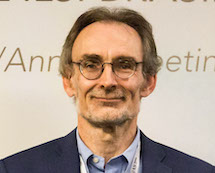
William R. Leonard
· Watkins Family Professor of Global HealthVerifiedNorthwestern University · Linguistics
Active 1800–2026
About
William R. Leonard is a biological anthropologist specializing in human biology and adaptation to environmental and social stressors. His research has extensively focused on human energy metabolism, nutritional health, and child growth among indigenous agricultural populations in highland and lowland regions of South America, including Bolivia, Ecuador, and Peru, as well as indigenous populations of Siberia. He investigates how these populations adapt to their ecological and social circumstances and examines the impact of transitioning to modern diets and lifestyles on their health and chronic disease risks. Dr. Leonard has also explored major trends in human evolution, such as the origin of bipedality and the expansion of hominin brain sizes, and how these have shaped human energy and nutritional requirements. His work has been supported by grants from prominent institutions including the National Science Foundation, the National Institutes of Health, the Wenner-Gren Foundation, and the Leakey Foundation. Currently, he serves as the Watkins Family Professor of Global Health at Northwestern University, where he is the Director of the Program in Global Health Studies and Co-Director of the Center for Global Health Education in the Havey Institute for Global Health. He is also the Editor-in-Chief of the American Journal of Human Biology and was honored with the Franz Boas Distinguished Achievement Award from the Human Biology Association in 2021.
Research topics
- Endocrinology
- Medicine
- Statistics
- Psychology
- Mathematics
- Computer Science
- Data science
- Animal science
- Physical medicine and rehabilitation
- Engineering
- Biochemistry
- Materials science
- Ecology
- Developmental psychology
- Chemistry
- Social psychology
- World Wide Web
- Chromatography
- Applied mathematics
- Management
- Demography
- Gerontology
- Biology
- Economics
Selected publications
Fifty Years of Research From the Human Biology Association
American Journal of Human Biology · 2026-03-01
article1st authorCorrespondingAt the Human Biology Association (HBA) Meetings in March of 2025, we celebrated the 50th Anniversary of the Association. In this Virtual Special of the American Journal of Human Biology (Celebrating the 50th Anniversary of the Human Biology Association: American Journal of Human Biology), we recognize this important milestone with an impressive set of papers that discuss the history of the HBA and highlight the diversity of impactful work being done in our field. This Special Issue includes: (1) invited reviews from the AJHB's Past Editors, (2) historical pieces discussing long-term foundational human biology research at sites in the Peruvian Andes and Canadian arctic, and (3) invited commentaries on 15 of the most influential papers published in the journal. The Human Biology Council (HBC) was initially incorporated in Washington, D.C. on November 19, 1974. The name of the society was formally changed to the Human Biology Association 20 years later by the Department of Consumer and Regulatory Affairs in the District of Columbia on December 20, 1994 (Little and James 2005). The first annual meeting of the HBC was held in Denver, Colorado on April 9, 1975. This initial meeting was primarily for organization purposes, with the first set of scholarly presentations not occurring until the 1976 meetings in St. Louis, Missouri. The founding President of the HBC was Professor Paul T. Baker (Pennsylvania State University), who served in this role from 1975 to 1976. Michael A. Little (Binghamton University) served as the initial Secretary-Treasurer (1975–1976), and C. Owen Lovejoy (Kent State University) and Eugene Giles (University of Illinois) were the initial members of the HBC's Executive Committee (Little and James 2005). Table 1 provides the complete list of HBC/HBA Presidents, 1975–present. From 1976 through 1988, the HBC/HBA meetings consisted of a single invited symposium. In 1983, at the HBC Meetings in Indianapolis, the Pearl Memorial Lecture Award was initiated, given to the Keynote Speaker for the Annual Plenary Session. Dr. Sharon Kingsland (Johns Hopkins University) was the inaugural Pearl Memorial Lecture on April 5, 1983. The complete list of Pearl Lecturers is posted at: https://www.humbio.org/Pearl-Memorial-Lecture. At the 1989 Meetings in San Diego, the HBC Scientific Program expanded to include a poster session and a Joint Symposium with the American Association of Physical Anthropologists (AAPA). The inaugural AAPA/HBC Joint Symposium on “Comparative High-Altitude Adaptation” was organized by Lorna Grindlay Moore (University of Colorado, Denver) and was held on April 6, 1989. At the 1996 Meetings in Durham, NC, the HBA moved to its current format of two full days (Tuesday–Wednesday), allowing for more presented paper and poster sessions. The longer, 2-day format has been a great development for the HBA, allowing the Association to offer a wider range of scholarly engagement (e.g., workshops, training sessions, flash talks), and more opportunities for students and younger scholars to participate. With the expansion and growing impact of the field of human biology, the HBA established new awards to recognize scholars and researchers at all career stages. In 1996, the Franz Boas Distinguished Achievement Award was initiated to honor members of the Association for exemplary contributions to human biology in science, scholarship, and other professional service. Gabriel W. Lasker (Wayne State University) was the inaugural recipient of the Boas Award (for the complete list of Boas Awardees see: https://www.humbio.org/Boas-Award). In 2014, the HBA established the Michael A. Little Award to recognize the significant contributions of early career researchers in human biology. Barbara Piperata (Ohio State University) and Josh Snodgrass (University of Oregon) were the inaugural recipients of the Little Award (for the complete list of Little Awardees, see: https://www.humbio.org/Michael-A.Little-Award). The HBA also recognizes research excellence among graduate and undergraduate students. There are currently two awards for Outstanding Graduate Student papers/posters: the Edward E. Hunt Award (established in 1994) and the Phyllis Eveleth Award (Established in 2016). The complete list of Hunt and Eveleth Awardees is posted at: https://www.humbio.org/EE-Hunt-and-Phyllis-Eveleth-Student-Prizes. Outstanding research presentations by undergraduate students are recognized with the Hilde Spielvogel Award, established in 2014 (for the complete list of Spielvogel Awardees, see: https://www.humbio.org/Spielvogel-Award). Over its 50-year history, the HBC/HBA has had two official journals, Human Biology (1974–1988) and the American Journal of Human Biology (1989–present). Human Biology became the HBC's Official Journal in December of 1974 (Volume 46, no. 4) under the Editorship of Gabriel W. Lasker (Wayne State University). Prior to this, Human Biology had been the Official Journal of the Society for the Study of Human Biology (SSHB). However, in 1974 the SSHB established a new journal, Annals of Human Biology, as their official publication (Society for the Study of Human Biology (SSHB) 1974). Lasker served as the Editor-in-Chief of Human Biology through 1987, when the Editorship transitioned to Francis E. Johnston (University of Pennsylvania) (see Lasker 1988; Johnston 1988). Johnston's Editorship of Human Biology was short-lived, serving for a single year (1988) before becoming the founding Editor of the American Journal of Human Biology in 1989 (Johnston 1989). Michael H. Crawford (University of Kansas) took over the Editorship of Human Biology in 1989, focusing the journal on anthropological genetics and demography (Crawford 1989). Human Biology is currently the Official Journal of the American Association of Anthropological Genetics (AAAG). Johnston served as Editor of the AJHB for its first 2 years, 1989–1990. In 1991, Robert M. Malina (University of Texas) took the helm of the journal (Malina 1991) and served as Editor through 2002. Peter T. Ellison (Harvard University) became the Editor of the AJHB in 2003 and served through 2013 when he then transitioned to the Editorship of the American Journal of Physical Anthropology. Lynnette Leidy Sievert (University of Massachusetts, Amherst) assumed the role of Editor-in-Chief in 2014, serving into the fall of 2019 when I took on the Editorship (Leonard 2019). During its five-decade history, the Official Journal of the HBC/HBA has expanded from a quarterly publication (Human Biology, 1974–1985) to a bi-monthly journal (Human Biology, 1986–1988; AJHB, 1989–2021), to its current monthly format (AJHB, 2022–present). These changes reflect the tremendous growth and diversification of research in human population biology. The contributions to this Special Issue highlight the impressive growth and maturation of our field. The previous Editors of the journal, Lynnette Sievert, Robert Malina, and Peter Ellison and Richard Bribiescas have each contributed thoughtful and authoritative review papers on their areas of expertise. I am tremendously grateful to them for sharing their insights with these important contributions. Lynnette Sievert's (2025) review traces the growth and expansion of women's health research in human biology. Sievert elegantly presents the parallel developments in women's health research and the HBC/HBA since the mid-1970s. The creation of the HBC Meetings coincided with the United Nations' “International Women's Year” Conference in Mexico City in 1975, followed by the UN's “Decade for Women” from 1976 to 1985. Similarly, the late 1980s and early 1990s saw development of the AJHB along with the establishment of the U.S. Office of Research on Women's Health at the National Institutes of Health (1990), advancing the study of the biological and social influences on women's health. Sievert highlights the important themes and trends in women's health research in our field over the last 50 years, noting the increasing importance of biocultural, evolutionary, and life-history approaches. It is these rich theoretical and cross-cultural perspectives that distinguish the research in our field from clinical approaches, seeing the study of women's health as central to our understanding of human variation. Robert Malina's (2025a) review explores the implications of adolescent physical activity and fitness for shaping health status in adulthood. Over the span of his career, Malina has been a leader in advancing our understanding of how earlier-life activity and fitness levels influence adult health and well-being (Malina 2025b). In his paper, Malina discusses and synthesizes the results of several important longitudinal studies, highlighting the influences of adolescent fitness/health on a range of adult outcomes, including BMI, aerobic capacity, grip strength, and cardiovascular disease mortality. Bribiescas and Ellison (2026) provide a compelling and detailed examination of the foundations and tremendous growth in the field of human reproductive ecology. Bribiescas and Ellison have been leaders in developing and adapting methods from reproductive and metabolic endocrinology to address important questions about the ecology and evolution of human life history strategies. Their paper documents how methodological innovation from human biology has been blended with theoretical perspectives from evolutionary anthropology to provide new and powerful insights into the origin and nature of diverse human reproductive patterns. Three papers in this Special Issue examine the history of long-term human biology research initiated as part of the International Biological Programme (IBP) in the 1960s and early 1970s. Papers by Michael Little et al. (2025) and Roberto Frisancho (2025) trace the history of 60+ years of research on high altitude adaptation and human health at the site of Nuñoa, Peru. Little et al. (2025) discuss the early IBP-era foundational human adaptability work done in Nuñoa, followed by studies of health and nutritional change in 1980s through ongoing research that is tracking the social and developmental influences on the rise of chronic health problems in the region. Frisancho (2025) offers his personal reflections on the origins of the Penn State High Altitude Research Project, and how this initial research in Nuñoa served as a foundation for his subsequent studies of developmental adaptation in Cusco and Puno, Peru and La Paz, Bolivia. His Developmental Adaptation Model continues to serve as a framework for studying adaptability and health. Peter Katzmaryk and I examine the long-term research of Roy J. Shephard (University of Toronto) and colleagues with the Inuit community of Igloolik, Canada (Leonard and Katzmarzyk 2025). Like Nuñoa, Igloolik was a site of early IBP research during the 1960s and 1970s. Shephard and colleagues continued their research in Igloolik through the early 1990s studying adaptation to arctic conditions and the impact of lifestyle change on health. This longitudinal study provided some of the first clear evidence on how the process of acculturation and lifestyle change erodes physical development and metabolic health among Indigenous populations of the north (Shepard and Rode 1996). Shephard and colleagues' contributions continue to shape ongoing research on circumpolar human biology. This Special Issue also includes 15 Commentaries that provide updates and reflections on some of the most influential papers in the journal's history. These contributions span the broad scope of research encompassed by the field of human population biology, including: theoretical advancements (Hawkes 2025; Kramer 2025), evolutionary/adaptive dimensions of human biology (Bogin and Smith 2025; Aiello 2025; Holliday et al. 2025; Wells 2025; Childebayeva et al. 2025), insights into human health disparities (Kuzawa and Sweet 2025; Knutson 2025; Martorell 2025; Brewis et al. 2025), and methodological innovations (McDade 2025; Reitsema 2025; Windhager et al. 2025; Miller et al. 2025). All of these invited commentaries are linked to their original papers. Kristen Hawkes (2025) provides a detailed update on her important 2003 paper on the “Grandmother Hypothesis” and the evolution of longevity in humans (Hawkes 2003). She outlines historical/theoretical foundations of the model and highlights the multiple lines of evidence used for better understanding the evolution of cooperation, slow infant/childhood development, and long lifespans in the hominin lineage. Karen Kramer (2025) revisits the landmark research of Robert Walker et al. (2006) on patterns of variation in physical growth rates across 22 small-scale human populations. Together, these papers are important in moving us beyond simply describing differences in human growth to richly framing the study of these differences in an evolutionary life history perspective. Bogin and Smith (2025) traverse similar ground as Hawkes and Kramer in updating their influential paper on the “Evolution of the Human Life Cycle” (Bogin and Smith 1996). In their contributions, Bogin and Smith expertly weave together data from human growth and development, primate biology, and paleoanthropology to offer insights on both the timing and selective pressures for the evolution of the distinctive human life cycle. Papers by Leslie Aiello (2025) and Trent Holliday et al. (2025) examine the ecology and evolution of our hominin ancestors, Homo erectus and the Neandertals, respectively. Aiello draws on new data and advancements in energetics research to expand and refine the innovative life history model of H. erectus females that she and Cathy Key developed over 20 years ago (Aiello and Key 2002). While the modeling parameters changed, Aiello notes that the conclusions from the original paper still stand, that the adoption of a human reproductive schedule among H. erectus females would have substantially reduced the energetic costs per offspring. Similarly, Holliday et al. (2025) assess the changes in our understanding of Neandertal adaptive strategies since the publication of Ted Steegmann et al.'s (2002) influential paper. As with the Aiello paper, advancements in both human physiology (e.g., the role of brown adipose tissue in human thermoregulation) and paleoanthropology provide us with a much richer picture of how Neandertals survived and adapted to extreme arctic conditions. Wells (2025) and Childebayeva et al. (2025), in turn, explore evolutionary and adaptive strategies among contemporary human populations. Wells provides a detailed and thoughtful update on his “Maternal Capital Hypothesis” from 2010 (Wells 2010). The model demonstrates how the impact of social and ecological stressors on maternal physiology has transgenerational influences on child growth and the persistence of health inequities. Wells offers the implications of this model for developing policies to reduce gender inequality and promote intergenerational justice. Childebayeva et al. (2025) revisit foundational questions about differences in adaptive patterns among high altitude populations that were examined by Bigham et al. (2013). Research over the last decade has provided a deeper understanding of the genetics of adaptive hemoglobin dynamics across Tibetan, Andean, and Ethiopian populations. This work highlights the ongoing evolution of our species and showcases the distinctive adaptive strategies to high altitude stressors observed in different parts of the world. Papers by Kuzawa and Sweet (2025), Knutson (2025), Martorell (2025), and Brewis et al. (2025) explore the nature of disparities in human health outcomes. Kuzawa and Sweet offer an updated model on the developmental origins of racial differences in cardiovascular disease (CVD) risks in the United States from the one that they initially presented in their landmark 2009 paper (Kuzawa and Sweet 2009). Drawing on their review of recent studies, Kuzawa and Sweet delineate the multiple different pathways through which structural racism increases CVD risks in Black Americans. Their novel “Push-Pull” model provides an explanation for why birth weight appears to be a weaker predictor of adverse adult health outcomes in Black Americans relative to their white counterparts. Knutson (2025) provides a timely and much-needed update on her authoritative paper on the role of sleep disturbances in shaping risks for obesity (Knutson 2012). Her current paper draws on recent work to highlight the role of sleep in contributing to a wide range of health outcomes, including CVD risks, immune function, and cognitive/mental well-being. As a leader in this domain, Knutson sees much room for growth and expansion of sleep research in human biology. Martorell (2025) reflects on his immense contributions to our understanding of the long-term health consequences of early-life undernutrition, commenting on the paper from his 2016 Pearl Memorial Lecture to the HBA (Martorell 2017). The work of Martorell and his colleagues on the INCAP (Institute of Nutrition of Central America and Panama) Longitudinal Study in Guatemala clearly demonstrated that the “first 1000 days”, from gestation through the first 2 years of life, are a “critical window” for influencing long-term health and human capital. This perspective now informs and shapes ongoing research in human biology, global nutrition, and development economics. Brewis et al. (2025) examine the advances in our understanding of the interplay between water and food insecurity, building on their pioneering work from the Household Water Insecurity Experiences Research Coordination Network (HWISE-RCN) and the Water Insecurity Community of Practice (WISE-CP) initiatives (Brewis et al. 2020). The current paper highlights the improvements in methods for measuring the dynamics of water insecurity and in our understanding of causal pathways linking food/water insecurity with global health disparities. The papers by Thomas McDade (2025), Laurie Reitsema (2025), Sonja Windhager et al. (2025), and Elizabeth Miller et al. (2025) showcase the methodological innovation and diversity that characterizes the field of human biology. McDade (2025) documents the tremendous expansion and development of minimally-invasive dried blood spot (DBS) sampling methods since the publication of his important “Human Biology Toolkit” paper over a decade ago (McDade 2014). As pioneers in developing methods of DBS sampling and analysis, McDade and his colleagues have transformed our abilities to evaluate human biological variation and health in diverse field settings. He notes that as human biologists, we are uniquely prepared to use these approaches to explore the mechanisms through which social and physical environments shape the human condition. Reitsema (2025) revisits the themes from her influential 2013 paper on the use of stable isotope analyses for assessing physiological function and health (Reitsema 2013). Since the late 1970s and early 1980s, stable isotope analyses have been most widely used in anthropological/archaeological research for reconstructing dietary patterns. Reitsema's contributions document the remarkable growth in the use of stable isotope methodologies and outline the potential for the application of these techniques for exploring human physiological diversity in response to social and ecological stressors. Windhager et al. (2025) build on their innovative research linking morphometric analyses of physical appearance to measures of health and physical strength (Windhager et al. 2011). This work has expanded the scope of our field by integrating rigorous research on the measurement and evolutionary significance of “physical attractiveness” with measures of human health and This now for the framing and of a range of from human ecology. Miller et al. (2025) expertly review the diversification and of research on human over the last years et al. 2013). Since the publication of their foundational paper, Miller and her colleagues have as leaders in this domain, studying human as a that across central in and shaping developmental and health outcomes. that the evolutionary and perspectives of human biology provide a much deeper and more understanding of the importance of human analyses from the I all of the for their thoughtful and contributions to this Special I that this offers us an to honor and the rich history of human biology reflect on the growth and expansion of our field over the last 50 years, and for our important The has to sharing not to this as were during the current
Energy expenditure and obesity across the economic spectrum
Proceedings of the National Academy of Sciences · 2025-07-14 · 23 citations
articleOpen accessGlobal economic development has been associated with an increased prevalence of obesity and related health problems. Increased caloric intake and reduced energy expenditure are both cited as development-related contributors to the obesity crisis, but their relative importance remains unresolved. Here, we examine energy expenditure and two measures of obesity (body fat percentage and body mass index, BMI) for 4,213 adults from 34 populations across six continents and a wide range of lifestyles and economies, including hunter-gatherer, pastoralist, farming, and industrialized populations. Economic development was positively associated with greater body mass, BMI, and body fat, but also with greater total, basal, and activity energy expenditure. Body size-adjusted total and basal energy expenditures both decreased approximately 6 to 11% with increasing economic development, but were highly variable among populations and did not correspond closely with lifestyle. Body size-adjusted total energy expenditure was negatively, but weakly, associated with measures of obesity, accounting for roughly one-tenth of the elevated body fat percentage and BMI associated with economic development. In contrast, estimated energy intake was greater in economically developed populations, and in populations with available data (n = 25), the percentage of ultraprocessed food in the diet was associated with body fat percentage, suggesting that dietary intake plays a far greater role than reduced energy expenditure in obesity related to economic development.
Contributions of Roy J. Shephard to the Study of Circumpolar Human Biology and Health
American Journal of Human Biology · 2025-08-01 · 1 citations
articleOpen access1st authorCorrespondingMore than any other scholar in our field, Professor Roy J. Shephard's research has shaped and transformed our understanding of the biology and health of circumpolar populations. His long-term research among the Inuit of Igloolik, Canada has provided the field of human biology with foundational insights into how human populations adapt to arctic climates, and how the transition to a market-oriented lifestyle erodes fitness and metabolic health. Shephard was the prime architect of early research done in the Canadian Arctic as part of the Human Adaptability Program (HAP) of the International Biological Programme (IBP) in the 1960s and early 1970s. After the original IBP studies, Shephard and collaborator Andris Rode continued their research in Igloolik through the early 1990s. This long-term research provided some of the first clear evidence on how the process of acculturation and lifestyle change erodes physical development and metabolic health among Indigenous populations of the north. This paper provides an overview of the major findings and insights from Roy Shephard and colleagues' research in Igloolik and highlights how these contributions are shaping ongoing research on the biology and health of circumpolar populations.
Nature Food · 2025-04-23 · 4 citations
erratumOpen accessCorrection to: <i>Nature Food</i> https://doi.org/10.1038/s43016-024-01089-5, published online 13 January 2025.<br/><br/>In the version of this article initially published, there was an error in the application of the equation used to predict the total energy expenditure of individuals in the NDNS and NHANES surveys. The output of the equation is in MJ, the two survey intake estimates are in kJ, and while the predicted values were converted to kJ, the value for total energy expenditure, using kJ, was mistakenly inserted into the equations used to derive the extent of over- and underreporting, resulting in an overestimation of underreporting. For instance, the original abstract reported that the level of misreporting was >50%, whereas it is now determined to be 27.4%.<br/><br/>The corrected calculations led to revisions throughout the text, Tables 2–4, Figs. 2 and 3, and the Supplementary Information. Other minor errors were also corrected in this new version. For transparent comparison, the original, uncorrected article is available alongside this amendment. The changes have been made in the HTML and PDF versions of the article. The authors sincerely apologise for these errors and any inconvenience caused. Please direct any correspondence to John R. Speakman.
Addressing Threats to Research and Global Engagement in Human Biology
American Journal of Human Biology · 2025-08-01
editorialOpen access1st authorCorrespondingHuman Biology is a young science asking the oldest of questions: Who are we? From what did we evolve? How did we deal with threats to our existence? What physiological and morphological adaptations did we develop that allowed our survival and fitness through evolutionary time? In the 21st century, after over three million years of human evolutionary change, what biological characteristics allow us to deal with the existential onslaught that is now affecting our daily lives? These questions are not just interesting in their own right, but their answers are fundamental to the future of our species and are critically important to addressing long-standing inequities in health outcomes among human populations around the world. Arguably, the most important characteristic of Homo sapiens is our ability to acquire and use knowledge to understand the world around us. In that acquisition, it is the identification of the problem, the sharing of the search, and the answers that allows our onward existence. Threats to the research that targets those specific questions are a threat to humanity. Since the dawn of the enlightenment in the 17th century, the speed with which we have been able to acquire and use knowledge has gathered pace, requiring ever more sophisticated methods of the sharing and transfer of knowledge through education so that the next generation profits from our endeavors and continues the journey. We believe that threats exist to the educational and research methods that are the basis of our academic freedom to explore existential questions. These threats to science and promotion of conspiracy theories must be identified and rejected. The consequences of the actions by the Trump administration are being felt across academia, research institutions, international development agencies, and in the broader global scientific community. As international organizations of Human Biologists, we believe that our collective voice must be heard at this time of crisis to argue for and create a constructive future pathway and not one that destroys the very advantages that have made our species so successful. We believe that government policies that emphasize deregulation, budget cuts, and restrictions on research and global engagement in the health and life sciences are ultimately destructive and must be objected to at every juncture. We join the voices of our colleagues internationally and through the American National Academies of Sciences, Engineering, and Medicine when we agree that while we hold diverse political beliefs, we are united as researchers in wanting to protect independent scientific inquiry for the future of our species. Statement of Editorial Independence: The views expressed here are solely those of the authors and do not necessarily represent those of the publisher. Data sharing is not applicable to this article as no new data were created or analyzed in this study.
Addressing threats to research and global engagement in human biology
Annals of Human Biology · 2025-07-21
editorialOpen accessSenior authorThe Ecology and Human Biology of Pastoralists: Building on the Contributions of Michael A. Little
American Journal of Human Biology · 2025-08-01 · 1 citations
articleOpen access1st authorCorrespondingHuman biologists have long studied the ecology, health, and adaptive patterns of pastoralist populations around the world. Over the last 20 years, research among pastoralists has increasingly focused on how ongoing climatic and socioeconomic changes are influencing these populations and threatening this lifeway. Additionally, with the development and broader use of "field friendly" methods for measuring energy expenditure, metabolism, and diverse biomarkers of physiological health, we are now able to gain a much more detailed and dynamic picture of the adaptive strategies of pastoralists. This Virtual Special Issue of the American Journal of Human Biology, "Human Biology of Pastoralists Populations" (Edited by Benjamin Campbell), showcases important advancements in this research domain and highlights the foundational contributions of Michael A. Little to our understanding of the biology and health of pastoralist societies.
Nature Food · 2025-01-13 · 43 citations
articleOpen accessNutritional epidemiology aims to link dietary exposures to chronic disease, but the instruments for evaluating dietary intake are inaccurate. One way to identify unreliable data and the sources of errors is to compare estimated intakes with the total energy expenditure (TEE). In this study, we used the International Atomic Energy Agency Doubly Labeled Water Database to derive a predictive equation for TEE using 6,497 measures of TEE in individuals aged 4 to 96 years. The resultant regression equation predicts expected TEE from easily acquired variables, such as body weight, age and sex, with 95% predictive limits that can be used to screen for misreporting by participants in dietary studies. We applied the equation to two large datasets (National Diet and Nutrition Survey and National Health and Nutrition Examination Survey) and found that the level of misreporting was >50%. The macronutrient composition from dietary reports in these studies was systematically biased as the level of misreporting increased, leading to potentially spurious associations between diet components and body mass index.
World Development · 2024-01-04 · 4 citations
articleOpen accessKnowing what happens over time to the lifeways of people in contemporary small-scale non-industrial societies of the rural Global South matters because it helps assess changes in the quality of life of underrepresented groups. It has been hard to answer the question because longitudinal information is rarely collected in such settings. A longitudinal dataset of nine years (2002–2010) from a horticultural-foraging society of Indigenous People in the Bolivian Amazon (Tsimane’) is used for an exploratory analysis of micro-level trends in indicators of well-being and economic inequalities. We selected 13 Tsimane’ villages (from ∼ 100) that varied in proximity to town and surveyed all households in each village. ∼ 240 households were followed yearly to estimate trends of 21 outcomes (e.g., income, sociality, macronutrients). For each economic outcome, annual and all-years-combined Gini coefficients were estimated for the entire sample across the 13 villages. We show a rise in total asset wealth, a change in asset composition (less traditional wealth, more commercial wealth), higher monetary value of foods eaten, and better-perceived health, but a decline in caloric and protein consumption and no marked gender differences in objective or hedonic measures of well-being. Economic inequalities were non-trivial and showed no marked trend but varied between years; asset inequality varied less than income inequality. We document the value of longitudinal, locally grounded indexes of well-being to obtain a granular view of micro-level changes in well-being and the possible use of inequality in the consumption of calories and macronutrients as a valid proxy for income inequality in rural areas of the Global South with tenuous links to the market economy.
Celebrating 50 Years of the Human Biology Association
American Journal of Human Biology · 2024-11-15 · 1 citations
editorialOpen access1st authorCorrespondingAt the Human Biology Association (HBA) Meetings in March, we will celebrate the 50th Anniversary of the Association. To recognize and highlight this anniversary, the American Journal of Human Biology will feature two important sets of invited contributions this year. Invited Reviews from the AJHB's Past Editors. The previous Editors of the journal, Lynnette Sievert, Bob Malina, and Peter Ellison (with co-author Rick Bribiescas), have graciously agreed to contribute review papers on their areas of expertise. I am tremendously grateful to them for sharing their insights into these important contributions. Invited Commentaries on Influential Papers from the AJHB. I am also inviting prominent authors to write commentaries on some of the most influential papers in the journal's history. These contributions will span the broad scope of research encompassed by the field of human population biology, including theoretical advancements (Hawkes 2003; Walker et al. 2006), evolutionary/adaptive dimensions of human biology (Bogin and Smith 1996; Aiello and Key 2002; Steegmann, Cerny, and Holliday 2002; Wells 2010; Bigham et al. 2013), insights into human health disparities (Kuzawa and Sweet 2009; Knutson 2012; Martorell 2017; Brewis et al. 2020; Gravlee 2020), and methodological innovations (Windhager, Schaefer, and Fink 2011; Miller et al. 2013; Reitsema 2013; McDade 2014). All of these invited commentaries will be linked to their original papers and will be “Free to Read” when published. This year also marks a shift in how papers are published in the journal. As with most of Wiley's journals, the AJHB has transitioned to a “Continuous Model.” With this new model, papers are now published directly into issues when they are ready. Consequently, as Editor I no longer compile each monthly issue; rather, this is handled directly by our production team. Additionally, as of January 2025 (Volume 37, Issue 1), the journal will shift to a standard cover image, rather than one that changes monthly. I am very grateful to Nicky Hawley for providing the lovely photo for our new cover. This transition eliminates the need for papers to wait in “Early View” before final publication. The new model reflects how our scholarly work is now being accessed and consumed—as individual papers rather than as entire issues. The new model will also change how we handle Special Issues. Individual papers for Special Issues will now be published in regular monthly issues as they are ready. The full collection of all papers for a Special Issue will then appear as a “Virtual Special Issue,” posted separately on the AJHB's website. As with any change, there are elements that we will miss. As Editor, I have enjoyed the opportunity to construct each issue of the journal and select a cover image from one of our authors. I am truly grateful to the many authors who have contributed cover photos/images over the years, showcasing the important work being done in our field. I thank our Wiley team of Christina Tuballes, Gillian Greenough, Tyrone Prescod, Nivetha Venkataramanan, Deepa Rajamanickam, Monsour Al Hazeem, and Tom Cannon for all their support and guidance over the last year during this transition. I look forward to seeing everyone in Baltimore from March 12 to 14, 2025 for our 50th HBA Meetings!
Recent grants
NSF · $25k · 2015–2018
Markets and Health: A Study of Indigenous Populations of Lowland Bolivia
NSF · $247k · 2000–2004
NIH · $268k · 2009
Longitundinal Study of Health and Lifestyle Change in Lowland Bolivia
NSF · $175k · 2007–2011
NSF · $10k · 2004–2006
Frequent coauthors
- 159 shared
Victòria Reyes-García
Institució Catalana de Recerca i Estudis Avançats
- 89 shared
Tomás Huanca
Centro de Información y Desarrollo de la Mujer
- 70 shared
Vincent Vadez
Diversité, adaptation et développement des plantes
- 67 shared
Ricardo Godoy
Brandeis University
- 56 shared
J. Josh Snodgrass
University of Oregon
- 54 shared
Susan Tanner
- 48 shared
Thomas W. McDade
Northwestern University
- 42 shared
David Wilkie
Wildlife Conservation Society
Education
- 1987
PhD, Anthropology
University of Michigan
- 1983
MA, Anthropology
University of Michigan
- 1980
BS, Biology
Pennsylvania State University
Awards & honors
- Franz Boas Distinguished Achievement Award from the Human Bi…
- Resume-aware match score
- Save to shortlist
- AI-drafted outreach
See your match with William R. Leonard
PhdFit ranks faculty by your research interests, methods, and publications — grounded in their actual work, not templates.
- Free to start
- No credit card
- 30-second signup