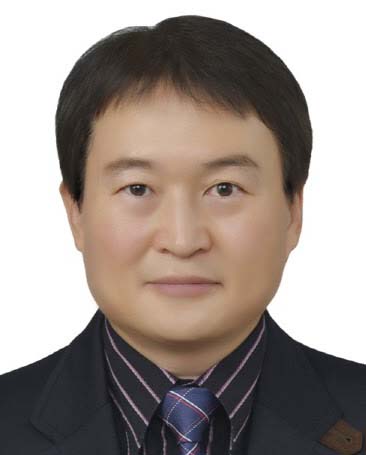
Yoon Seok Yang
· Research Associate ProfessorVerifiedStony Brook University · Computer Science
Active 1985–2026
About
Yoon Seok Yang is an assistant professor in the Department of Computer Science at SUNY Korea. He previously worked as a Tensor Processing Unit (TPU) silicon and research engineer at Google in Sunnyvale, California. Before joining Google, he was a research scientist at the Neuromorphic Computing Lab at Intel Labs in Santa Clara, California, from 2012 to 2022, focusing on neuromorphic computing systems and AI chip design. Prof. Yang earned his Ph.D. in electrical and computer engineering from Texas A&M University, College Station, USA. His research interests primarily focus on Neuromorphic Computing, which involves the development of innovative algorithms and architectures for both deep learning and spiking neural networks that are inspired by the brain.
Research topics
- Computer Science
- Sociology
- Artificial Intelligence
- Computer Security
- Database
- Environmental chemistry
- Environmental planning
- Linguistics
- Psychology
- Environmental engineering
- Philosophy
- Environmental science
- Chemistry
Selected publications
International Journal of Biological Macromolecules · 2026-04-18
articleBMJ Open · 2026-05-01
articleOpen accessBACKGROUND: Neonatal hypoglycaemia is a common metabolic disorder in newborns and may be more frequent in infants delivered by caesarean section because of altered metabolic adaptation after birth. Evidence specific to Chinese caesarean-delivered newborns remains limited. OBJECTIVE: To determine the incidence of neonatal hypoglycaemia and identify factors associated with its occurrence in Chinese newborns delivered via caesarean section. DESIGN: Cross-sectional study. SETTING: Three regional obstetric care centres in East China. PARTICIPANTS: A total of 1232 mother-newborn pairs, including both term and preterm singleton infants delivered via caesarean section. METHODS: Data were extracted from hospital electronic medical records. Neonatal hypoglycaemia was defined as a blood glucose level below 2.6 mmol/L within 24 hours after birth. Maternal, obstetric and neonatal characteristics were analysed. Bivariable analyses were performed to assess associations between neonatal hypoglycaemia and candidate variables, followed by multivariable logistic regression to identify independent factors. Predictive performance of the final model was evaluated using receiver operating characteristic analysis. RESULTS: Neonatal hypoglycaemia occurred in 800 of 1232 newborns, giving an incidence of 64.9% (95% CI 62.3% to 67.6%). In multivariable logistic regression, higher gestational age was independently associated with lower odds of neonatal hypoglycaemia (OR 0.781, 95% CI 0.684 to 0.891; p<0.001). Compared with appropriate-for-gestational-age newborns, large-for-gestational-age newborns had higher odds of hypoglycaemia (OR 2.200, 95% CI 1.477 to 3.276; p<0.001), whereas small-for-gestational-age newborns had lower odds (OR 0.394, 95% CI 0.188 to 0.824; p=0.013). Elective caesarean delivery was also associated with higher odds of hypoglycaemia (OR 1.638, 95% CI 1.248 to 2.150; p<0.001). Compared with parity 1, parity 3 was associated with higher odds of hypoglycaemia (OR 2.274, 95% CI 1.151 to 4.496; p=0.018), whereas parity 2 was not significant (OR 1.224, 95% CI 0.936 to 1.601; p=0.140). For amniotic fluid characteristics, category 1 was not significantly associated with hypoglycaemia (OR 0.624, 95% CI 0.287 to 1.359; p=0.235), whereas categories 2 and 3 were associated with lower odds (OR 0.478, 95% CI 0.291 to 0.786; p=0.004, and OR 0.518, 95% CI 0.296 to 0.909; p=0.022, respectively). The final model showed modest discrimination, with an area under the curve of 0.667 (95% CI 0.633 to 0.697). CONCLUSIONS: Neonatal hypoglycaemia was common among Chinese newborns delivered via caesarean section, but most episodes were asymptomatic and resolved with routine feeding within 24 hours. Gestational age, fetal growth classification, elective caesarean delivery, parity and amniotic fluid characteristics were associated with hypoglycaemia in the current model. Early glucose monitoring and targeted nutritional support may be particularly important for newborns at increased risk.
Segmentation for rice phenotype identification based on differential stratification LEGM
IET conference proceedings. · 2026-05-01
articleSenior authorAccurate extraction of rice phenotypic features is the key to precision agriculture and efficient breeding. Existing models have made progress in rice coarse-grained recognition segmentation, but they cannot adapt to complex rice scenarios, lack robustness to backgrounds such as bare soil and field waterlogging, and are unable to distinguish normal rice from senescent vegetation or weeds. For this reason, the YOLO11-LEseg model is constructed in this paper. By embedding a multi-scale and hierarchical local feature enhancement module (LEGM) in the C3K2 module, a hierarchical modulation is formed to maintain the continuity of the feature flow and the stability of the gradient, and the design of “shallow view of the details, medium view of the fusion, and deep view of the whole world” is adopted to realize the multilevel feature characterization. Experiments on the RiceSEG dataset show that [email protected] and mIoU are improved by 3.1% and 4.5%, respectively, compared with the baseline YOLOv11m. The classification accuracy for five target types reached 100% at 0.956 confidence threshold. This method solves the core problems of rice phenotype segmentation, such as insufficient fine-grained feature capture, insufficient multi-scale fusion, and low tolerance of background interference, and provides technical support for high-throughput rice phenotype extraction.
Frontiers in Medicine · 2026-05-18
articleOpen accessSenior authorBackground Laryngopharyngeal reflux disease (LPRD) is a common comorbidity in outpatients with laryngeal diseases, which seriously affects patients' quality of life and treatment outcomes. This study aimed to explore the current status of LPRD comorbidity in outpatients with laryngeal diseases, identify its independent risk factors, and construct a practical prediction model to provide evidence for clinical prevention and early diagnosis. Methods Outpatients with laryngeal diseases treated in our hospital from August 2024 to August 2025 were included. Demographic characteristics, living habits, comorbidities, and examination indicators were collected and compared. Results A total of 1,650 outpatients with laryngeal diseases were included. Multivariate Logistic regression analysis confirmed that age ≥65 years, BMI ≥ 25 kg/m 2 , smoking history, preference for strong tea, abnormal LES function, history of laryngeal surgery, and hypertension were risk factors for LPRD (all P &lt; 0.001), with abnormal LES function having the highest odds ratio (OR = 2.376, 95% CI: 1.985–2.836). A weighted prediction model was developed based on the β coefficients of these seven factors, with a total score ranging from 0 to 22 points. The optimal diagnostic cutoff was 9.5 points (Youden index = 0.615), yielding a sensitivity of 0.723 and a specificity of 0.892. The area under the curve (AUC) of the combined model was 0.891 (95% CI: 0.870–0.912). Conclusion LPRD is prevalent among outpatients with laryngeal diseases and is influenced by multiple risk factors. The prediction model developed based on seven independent risk factors demonstrates good diagnostic performance, offering a practical and reliable tool for early identification of high-risk patients.
IEEE Transactions on Networking · 2026-01-01
articleSenior authorDistributed Quantum Computing (DQC) expands qubit capacity by interconnecting multiple Quantum Processing Units (QPUs), but remote gate execution introduces significant entanglement overhead. In this paper, we study the Remote Gate Scheduling problem in DQC (RGS-DQC) under a hybrid Telegate and Teledata model, provide a formal formulation, and establish its NP hardness. To address this challenge, we propose <italic xmlns:mml="http://www.w3.org/1998/Math/MathML" xmlns:xlink="http://www.w3.org/1999/xlink">LABUBU</i>, a layer buffered bundled optimization framework that integrates coordinate wise pruned greedy refinement with bounded perturbation under QPU capacity constraints while maintaining linear complexity per iteration. Extensive simulations on both structured Quantum Fourier Transform circuits and unstructured random circuits show that Labubu consistently reduces entanglement cost compared with Telegate-SA, Telegate-RD, Teledata-ZS, and the competitive GateCover baseline. Experiments on QEC encoded circuits further confirm its potential for large scale fault tolerant distributed quantum computing.
Impact of perinatal complications on venous thromboembolism in postpartum women
European Journal of Obstetrics & Gynecology and Reproductive Biology · 2025-09-01
articleSenior authorGenome-wide identification and characterization of ALOG domain genes in Rosa
Frontiers in Plant Science · 2025-11-20 · 1 citations
articleOpen accessCorrespondingIntroduction ALOG genes encode transcription factors that control essential growth and developmental processes in various plant species. The ALOG protein domain, which is highly conserved among land plants, exhibits distinct evolutionary patterns in different plant lineages, suggesting its importance in plant adaptation and evolution. Rosa (roses), a genus of flowering plants with significant horticultural value, exhibits key traits such as floral organ differentiation and inflorescence architecture diversification. Emerging evidence suggests that ALOG genes not only modulate organogenesis but may also drive evolutionary innovations in floral organ morphology and inflorescence complexity. Methods We systematically identified ALOG genes in four Rosa genomes ( R. chinensis , R. multiflora , R. rugosa , and R. wichurana ), reconstructed their phylogenetic relationships, and cloned ALOG homologs from R. chinensis . Results Through integrated bioinformatic analyses including chromosomal localization, protein motif characterization, promoter cis-acting element annotation, and spatiotemporal expression profiling, we provide a comprehensive overview of ALOG gene distribution, structure, and expression patterns in Rosa . Discussion Our findings provide insights into the potential involvement of Rosa ALOG genes in organogenesis and inflorescence patterning, highlighting their possible roles in the evolution of floral morphology and inflorescence complexity.
Frontiers in Psychiatry · 2025-07-30 · 1 citations
articleOpen accessBackground: Schizophrenia patients with auditory verbal hallucinations exhibit brain structure abnormalities. However, the characterization of sulcal depth alterations and associated functional connectivity across the whole brain remains unclear. Method: We recruited 38 schizophrenia patients with auditory verbal hallucinations and 31 schizophrenia patients without auditory verbal hallucinations. Magnetic resonance imaging data were collected on all participants, and clinical symptoms were assessed using standardized clinical scales. Structural abnormalities identified through sulcal depth analysis were localized to specific brain regions, which were subsequently selected as seed regions for functional connectivity analysis. Correlation analysis was employed to explore the associations between sulcal depth, functional connectivity, and the severity of clinical symptoms in individuals with schizophrenia with auditory verbal hallucinations. Results: Schizophrenia patients with auditory verbal hallucinations exhibited significantly increased sulcal depth in left hemispheric regions including the lingual gyrus, cingulate gyrus, pericalcarine cortex, parahippocampal gyrus, superior frontal gyrus, cuneus, and precuneus, whereas decreased sulcal depth was observed in right hemispheric regions encompassing the superior parietal gyrus, superior frontal gyrus, lingual gyrus, lateral occipital cortex, fusiform gyrus, postcentral gyrus, middle frontal gyrus, precentral gyrus, inferior temporal gyrus, precuneus, and parahippocampal gyrus compared to schizophrenia patients without auditory verbal hallucinations. Seed-based functional connectivity analysis revealed widespread weakened connectivity in schizophrenia patients with auditory verbal hallucinations, particularly with the superior frontal gyrus, angular gyrus, putamen, and other regions. The increased sulcal depth cluster in schizophrenia patients with auditory verbal hallucinations was significantly correlated with negative syndromes and general psychopathology of Positive and Negative Syndrome Scale. Conclusion: These findings highlight sulcal depth and associated functional connectivity abnormalities in schizophrenia patients with auditory verbal hallucinations, implicating early neurodevelopmental disturbances involving the default mode network and visual cortex. Sulcal depth may represent a promising biomarker for early diagnosis.
Toward Personalized Location Privacy Trading for Mobile Crowd Sensing
IEEE Transactions on Dependable and Secure Computing · 2025-10-03
articleWith the commercialization of private data, location privacy trading in Mobile Crowd Sensing (MCS) has become a fascinating research topic. In consideration of location-dependent sensing tasks, mobile workers take risks at location privacy disclosure when reporting their actual locations. Existing work fail to take workers' diverse privacy protection and trading into account. This paper proposes a novel trading framework with personalized differential privacy guarantee, referred to as <italic xmlns:mml="http://www.w3.org/1998/Math/MathML" xmlns:xlink="http://www.w3.org/1999/xlink">Leaper</i>, to bridge the gap between location privacy protection and task allocation efficiency. In particular, <italic xmlns:mml="http://www.w3.org/1998/Math/MathML" xmlns:xlink="http://www.w3.org/1999/xlink">Leaper</i> outputs a personalized obfuscated range for each worker and further obfuscates his location based on a perturbation set within this range by incorporating differential privacy and <inline-formula xmlns:mml="http://www.w3.org/1998/Math/MathML" xmlns:xlink="http://www.w3.org/1999/xlink"><tex-math notation="LaTeX">$k$</tex-math></inline-formula>-anonymity techniques, and thus improves the efficiency of task allocation. Moreover, <italic xmlns:mml="http://www.w3.org/1998/Math/MathML" xmlns:xlink="http://www.w3.org/1999/xlink">Leaper</i> quantifies each worker's location privacy loss and compensates him with reasonable payment by running auction in a cost-effective way. Through real-world datasets, our evaluations and analysis demonstrate that <italic xmlns:mml="http://www.w3.org/1998/Math/MathML" xmlns:xlink="http://www.w3.org/1999/xlink">Leaper</i> indeed guarantees all desired properties of personalized differential privacy, truthfulness, individual rationality and budget feasibility.
Effects of Resin and Curing Agents on Residual Stress in Underfill Material and Wafer-level Warpage
2025-08-05
articleUnderfill material (UF) is critical for ensuring the reliability of advanced packaging structures. Therefore, maintaining its mechanical stability and minimizing residual stress induced by curing shrinkage are essential requirements for developing advanced UF. This study examines how different resin matrices and varying hardener ratios affect UF properties and ultimately lead to wafer warpage. The AFG-90 resin with high crosslinking density forms a rigid network, resulting in increased storage modulus, decreased coefficient of thermal expansion (CTE), and elevated residual stress/deformation. A higher proportion of hardeners further increases the crosslinking density, thereby amplifying the stress effects. The dependence of residual stress on UF modulus and CTE was verified through finite element simulations. By optimizing the composition ratio, low-stress UF systems can effectively mitigate deformation and reduce packaging failures, providing a theoretical basis for material design.
Recent grants
A Framework for Mobile Data Gathering in Wireless Sensor-Actuator Networks
NSF · $300k · 2008–2013
NSF · $260k · 2002–2007
NSF · $450k · 2017–2023
SGER: Cost-Effective Buffering Scheme for WDM Optical Packet Interconnects
NSF · $40k · 2007–2008
EAGER: Efficient Entanglement in Quantum Computing Systems
NSF · $300k · 2022–2025
Frequent coauthors
- 106 shared
Songtao Guo
Chongqing University
- 47 shared
Ming Ma
Hubei University
- 42 shared
Fan Ye
Stony Brook University
- 42 shared
Miao Zhao
Chengdu University of Information Technology
- 35 shared
Cong Wang
Henan University
- 32 shared
Zhenghao Zhang
Chinese Academy of Medical Sciences & Peking Union Medical College
- 32 shared
Deng Pan
Florida International University
- 31 shared
Zhenghao Zhang
Education
- 1992
Ph.D., Computer Science
Johns Hopkins University
- Resume-aware match score
- Save to shortlist
- AI-drafted outreach
See your match with Yoon Seok Yang
PhdFit ranks faculty by your research interests, methods, and publications — grounded in their actual work, not templates.
- Free to start
- No credit card
- 30-second signup