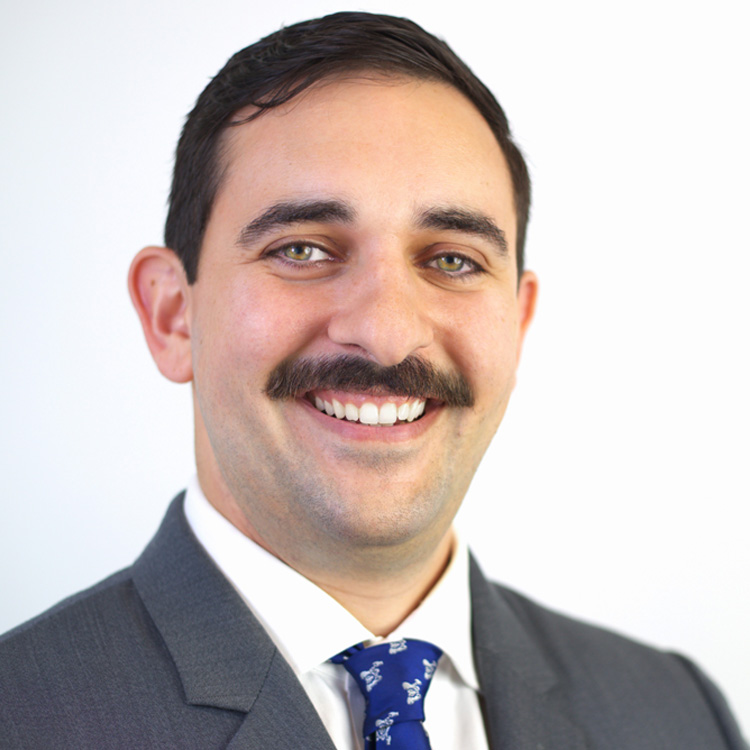
Zuhdi Abdo
· Assistant ProfessorVerifiedRutgers University · Orthopaedics
Active 2015–2026
About
Dr. Zuhdi E. Abdo is a fellowship-trained Adult Reconstructive surgeon and Assistant Professor for the Department of Orthopaedics at Rutgers New Jersey Medical School (NJMS). He graduated with a Bachelor of Science in Mechanical Engineering from Rice University in Houston, TX, and completed his medical degree at the University of Texas Southwestern Medical School in Dallas, TX, where he graduated in the top of his class. He completed his residency in Orthopaedic Surgery at Rutgers NJMS, during which he authored several peer-reviewed publications and received the distinguished alumni award. His fellowship in Adult Reconstruction at Lenox Hill Hospital in Manhattan highlighted him as one of the American Academy of Orthopaedic Surgeons (AAOS) Fellow Members of the Month, and he continued to publish peer-reviewed articles, present at society podiums, and contribute a notable book chapter during this time. Upon completing his fellowship, he returned to Rutgers NJMS as full-time faculty. Dr. Abdo is actively involved in research related to Adult Reconstruction and Total Joint Replacement on both national and international levels, and he serves as a peer reviewer for the Journal of Arthroplasty and the Journal of Knee Surgery. His research and clinical interests include implant design and innovation, patient-reported outcomes and function after total joint replacement, the 'hip-spine' relationship, limb alignment after total knee replacement, understanding BMI and other potential risk factors in total joint replacement, and quality improvement initiatives.
Research topics
- Pathology
- Medicine
- Surgery
- Biology
- Dentistry
- Chemistry
- Intensive care medicine
Selected publications
The Journal of Knee Surgery · 2026-03-18
articleSenior authorAbstract Both high tibial osteotomy (HTO) and unicompartmental knee arthroplasty (UKA) maintain distinct roles in the operative management of unicompartmental knee osteoarthritis. Whilst both procedures have traditionally been approached with caution in patients with obesity, the rising prevalence of obesity has led to increasing numbers of these patients undergoing surgical management. Despite this, limited evidence directly compares short-term complication profiles between HTO and UKA in obese populations. This study aims to evaluate 30-day outcomes in patients with obesity undergoing HTO versus UKA. A national surgical repository was queried for patients with obesity undergoing HTOs and UKAs from 2008 to 2020. Patient demographics, medical comorbidities, and 30-day outcomes were compared. Data were analyzed using chi-squared tests and binary logistic regression. A total of 3,424 UKAs and 86 HTOs were included. The HTO cohort had a greater proportion of male (67.4% vs. 44.2%, p < 0.001) and Black (10.5% vs. 6.9%, p < 0.001) patients compared to the UKA cohort. The UKA cohort had a greater proportion of patients with diabetes mellitus (14.0% vs. 4.7%, p = 0.010), hypertension (50.3% vs. 29.1%, p < 0.001), and American Society of Anesthesiologists Class of 3 or 4 (39.5 vs. 19.8%, p < 0.001). Postoperative complications were higher in HTO patients. Wound infections (5.8% vs. 1.1%, p = 0.003) and cumulative complication rates (7.0% vs. 2.0%, p = 0.010) were higher in HTO compared to UKA. HTO was similarly associated with higher odds of wound infections (OR: 6.6; 95% CI: 2.5–18.0; p < 0.001) and any-cause complication (OR: 4.8; 95% CI: 2.0–11.7; p = 0.001). While complication rates are overall low after HTO and UKA, patients with obesity undergoing HTO maintain higher odds of 30-day complications relative to their UKA counterparts. Assuming both procedures could be indicated for the patient's deformity and pattern of arthritis, patients with obesity may be better suited for UKA to minimize complications.
The Journal of Arthroplasty · 2026-01-01
articleSenior authorPatellar Instability after Total Knee Arthroplasty
The Journal of Knee Surgery · 2025-01-03 · 4 citations
articlePatellar instability following total knee arthroplasty (TKA) is a rare, yet serious complication, potentially requiring revision surgery or resulting in chronic dysfunction. When encountered, it is paramount to understand the etiologies, diagnostic approaches, treatment options, and outcomes of the selected treatment. The most common cause of patella instability is improper positioning of components, leading to lateral maltracking of the patella. Factors such as internal rotation and/or medialization of femoral or tibial components and lateralization of the patellar button have been identified as factors that contribute to instability. Additionally, a longstanding valgus deformity of the knee may exacerbate patella maltracking. Patients typically present with anterior knee pain, worsened by activities like stair climbing, and may report sensations of giving way. Radiographs and computed tomography scans aid in evaluating component positioning and rotation. Operative intervention is often necessary, with options ranging from soft tissue realignment to component revision. Lateral retinacular release is a common approach, although it is associated with complications such as osteonecrosis of the patella. Proximal or distal realignment procedures may be required if instability persists. Some recent case reports have also described medial patellofemoral ligament reconstruction as a treatment modality, but more investigation on the topic is still pending. It is important that the treatment strategy address the underlying cause, as failure to do so may result in recurrent instability. The best way to avoid patella instability is to pay attention to all the details of component position and soft tissue balance during the index procedure.
Risk Factors for Readmission After Unicompartmental Knee Arthroplasty
The Journal of Arthroplasty · 2025-09-10
articleOpen accessSenior authorIncreased Postoperative Complications in Nontobacco Nicotine Users Following Total Hip Arthroplasty
The Journal of Arthroplasty · 2025-10-01 · 3 citations
articleSenior authorPubMed · 2025-02-26
article1st authorCorrespondingINTRODUCTION: A portable medical rehabilitation device with adaptive telemedicine technology provides an adjunct therapy following total knee arthroplasty (TKA). The physician-monitored internet-based interface allows for physician-directed or free use of the portable medical rehabilitation device by the patient. The purpose of this study was to characterize patients' satisfaction with its use, as well as its impact on perioperative range of motion (ROM). MATERIALS AND METHODS: After institutional review board (IRB) approval, patients who used the portable rehab device postoperatively completed a 12-question survey that assessed use and satisfaction metrics at their six-week postoperative visit. Range of motion (ROM) at their six-week postoperative visit was analyzed against their survey responses. A total of 101 patients (42 men, 58 women, one preferred not to answer; 101 knees) were available for analysis, with a mean patient age of 68 years (range 48-84 years). RESULTS: Overall satisfaction was 93%, with 14.9% noted "helpful," 45.5% "strongly helpful," and 32.7% "very strongly helpful." Insurance covered the cost in 72%, while 23% paid for their device out of pocket with minimal impact, and 5% felt the out-of-pocket cost to be not worthy of the benefit. Nearly all (96%) of the patients stated they would recommend the device. Patients reported using their portable medical rehabilitation device for approximately two to three weeks (39.6%), two to three times per day (65.3%), and 11 to 15 minutes per session (69.3%). Older patients had lower usage than younger patients (p<0.001), and men trended toward higher usage than women (p=0.055). Mean six-week postoperative knee ROM was a 0-111° arc of motion. Change in ROM was not found to correlate with duration of use (p=0.385). CONCLUSION: The portable medical device is an option for rehabilitation after TKA with high patient satisfaction and low-cost burden, while achieving an appropriate arc of motion by six weeks following TKA. Further comparative investigations will be needed to determine the optimal duration of use following TKA.
Journal of Orthopaedics · 2025-12-07
articleOpen accessSenior authorWill Socioeconomic Status Always Continue to Impact the Outcomes in Total Joint Arthroplasty?
The Journal of Arthroplasty · 2024-08-10 · 2 citations
editorialPCL Substituting Total Knee Arthroplasty
2024-01-01
book-chapter1st authorCorrespondingIs Obesity Really a Hard Stop in Knee Arthroplasty? An Editorial Viewpoint
The Journal of Arthroplasty · 2023-09-21 · 3 citations
editorial
Frequent coauthors
- 12 shared
Ahmed Siddiqi
National Guard Health Affairs
- 5 shared
Michael M. Vosbikian
Rutgers New Jersey Medical School
- 5 shared
Irfan Ahmed
Rutgers New Jersey Medical School
- 5 shared
Adam M. Kurland
Rutgers, The State University of New Jersey
- 4 shared
Bryan D. Springer
- 4 shared
Kamil M. Amer
Rothman Institute
- 4 shared
Antonia F. Chen
Baba Farid University of Health Sciences
- 2 shared
Natalie Provenzale
Education
B.S., Mechanical Engineering
Rice University
- 2018
M.D.
University of Texas Southwestern Medical School
Awards & honors
- American Academy of Orthopaedic Surgeons (AASO) Fellow Membe…
- Resume-aware match score
- Save to shortlist
- AI-drafted outreach
See your match with Zuhdi Abdo
PhdFit ranks faculty by your research interests, methods, and publications — grounded in their actual work, not templates.
- Free to start
- No credit card
- 30-second signup