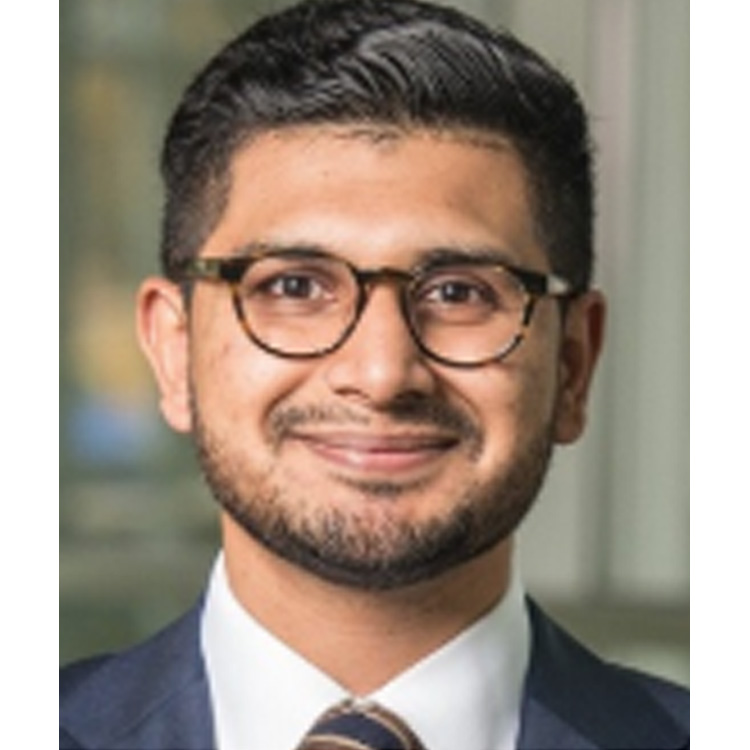
Ghayoour Mir
· Assistant ProfessorVerifiedRutgers University · Otolaryngology - Head and Neck Surgery
Active 2019–2026
About
Ghayoour S. Mir, DO, is an Assistant Professor in the Department of Otolaryngology at Rutgers New Jersey Medical School. He completed his Doctor of Osteopathic Medicine degree in 2017 at the New York Institute of Technology and earned his Bachelor of Arts from Rutgers, The State University of New Jersey in 2012. Dr. Mir holds medical licensure in New Jersey and is certified by the American Board of Otolaryngology - Otolaryngology/Facial Plastic Surgery. His professional focus is within the field of otolaryngology, and he is affiliated with University Hospital in Newark. Further details about his specific research interests or contributions are not provided on the page.
Research topics
- Medicine
- Surgery
- Computer Science
- Cancer research
- Internal medicine
- Endocrinology
Selected publications
Cancer Research · 2026-04-17
articleAbstract Oral cancer kills over 180 thousand peoplearound the world each year, and can cause permanent sequelae in survivors. Over90 percent of oral cancers are oral squamous cell carcinomas (OSCC). Thepodoplanin (PDPN) receptor has emerged as a functionally relevant biomarker andchemotherapeutic target expressed by OSCC cells. PDPN signaling can directlyincrease tumor cell invasion and metastasis, and inhibit host lymphocyteactivation and immune response. Antibodies and Maackia amurensis seedlectin (MASL) can target PDPN to inhibit OSCC cell migration and viability. Weconducted a Phase 1 human clinical trial to examine the effects of MASL on OSCCcell morphology, PDPN expression, and immune cell infiltration in oral cancerpatient lesions. We also examined the effects of MASL on motility, viability,and PDPN expression in cells cultured from these patient lesions. Oral MASLadministration was found to be safe and did not produce any adverse effects inany patients in this study. MASL did not affect OSCC cell morphology in lesionsin situ, but appeared to increase lymphocyte infiltration into tumor fields inone out of three patients examined within 24 hours after dosing (p<0.01).MASL also inhibited the growth and motility of all OSCC cells cultured fromthese patient lesions in a dose dependent manner in vitro (p<0.05 in allcases). We also examined the ability of antibodies to target PDPN and kill OSCCcells by near-infrared photoimmunotherapy (NIR-PIT). We found that antibodiescan target PDPN on OSCC cells from patients to destroy them by NIR-PIT. Theseresults suggest that protocols using MASL and photoimmunotherapy targeting PDPNcan be developed to effectively treat OSCC lesions in oral cancer patients. Inparticular, these data support the overall approach of using antibodies thatrecognize human PDPN to target and kill human OSCC cells by NIR-PIT. Thesenovel results support a general and powerful approach to use NIR-PIT to treatoral cancer patients and, by deduction, patients with other cancers thatexpress the PDPN receptor. Citation Format: Ariel C. Yin, Cayla J. Holdcraft, Tyler J. Hellmig, Eamonn J. Brace, David I. Suster, Alan J. Shienbaum, Dylan Roden, Evelyne Kalyousef, Ghayoour Mir, Eugenio Capitle, Soly Baredes, Rabie Shanti, Mika K. Kaneko, Yukinari Kato, Hisataka Kobayashi, Aki Furusawa, Mahnaz Fatahzadeh, Gary S. Goldberg. Effects of Maackia amurensis seed lectin (MASL) on OSCC cell morphology, PDPN expression, viability, and motility in a phase 1 clinical trial [abstract]. In: Proceedings of the American Association for Cancer Research Annual Meeting 2026; Part 2 (Late-Breaking, Clinical Trial, and Invited Abstracts); 2026 Apr 17-22; San Diego, CA. Philadelphia (PA): AACR; Cancer Res 2026;86(8_Suppl):Abstract nr CT047.
Otolaryngology Workforce Projections in the United States, 2021–2036
Laryngoscope Investigative Otolaryngology · 2025-05-24 · 3 citations
articleOpen accessObjective: To analyze projections of otolaryngology workforce supply and demand in the U.S. from 2021 to 2036. Methods: Otolaryngology workforce projection data from the Bureau of Health Workforce (BHW), Health Resources and Services Administration's (HRSA) Health Workforce Simulation Model (HWSM), and National Center for Health Workforce Analysis (NCHWA) were collected and analyzed to project supply versus demand from 2021 to 2036. The adequacy of the projected otolaryngology workforce, measured as the supply-demand ratio, was the main outcome measurement. Results: In 2021, it was assumed that the supply of otolaryngologists matched the demand. From 2021 to 2036, the total otolaryngologist supply is projected to decrease from 11,800 full-time equivalents (FTEs) to 11,620 FTEs, a 1.5% decline, while total demand is projected to increase by 1050 FTEs (8.9% increase) to 12,850 FTEs. This projects a growing shortfall of 1230 FTEs, resulting in 90.4% workforce adequacy. The projected adequacy is geographically disparate, with 98% workforce adequacy in metropolitan areas versus 35.1% in nonmetropolitan areas by 2036. By this date, otolaryngology is projected to have the third highest rate of workforce adequacy (90.4%) among eight surgical specialties studied. Conclusion: Though the HRSA's HWSM predicts a minor shortfall in the otolaryngology workforce supply compared to demand by 2036, the impact on workforce adequacy is significant. Regional variations and scenario outcomes underscore the need for continued research to update these forecasts, which carry important implications for physicians, patients, and policymakers in addressing workforce disparities and ensuring equitable access to otolaryngologic care across the nation. Level of Evidence: 4.
Definitive Local Therapy in cM1 Major Salivary Gland Cancer
Otolaryngology · 2025-09-12 · 1 citations
articleSenior authorOBJECTIVE: To investigate the impact of surgical resection and radiotherapy on overall survival (OS) in clinically distantly metastatic (cM1) major salivary gland cancer (MSGC). STUDY DESIGN: Retrospective cohort study. SETTING: The 2006 to 2020 hospital-based National Cancer Database. METHODS: The 2006 to 2020 National Cancer Database was queried for patients with cM1 MSGC undergoing chemotherapy. Kaplan-Meier and Cox proportional hazards regression models were implemented. RESULTS: Of 700 patients satisfying inclusion criteria, 219 (37.8%) underwent chemotherapy alone (ie, no local therapy), 159 (27.4%) underwent low-dose chemoradiotherapy (CRT), 56 (9.7%) underwent high-dose CRT, 47 (8.1%) underwent surgical resection + chemotherapy, 47 (8.1%) underwent surgical resection + low-dose CRT, and 52 (9.0%) underwent surgical resection + high-dose CRT; 5-year OS was 10%, 12%, 34%, 25%, 23%, and 28%, respectively (P < .001). Patients undergoing surgical resection underwent high-dose radiotherapy more frequently (N = 53, 36.1% vs N = 56, 12.9%) but multiple-agent chemotherapy less frequently (N = 105, 62.5% vs N = 363, 75.3%) than those not undergoing surgical resection (P < .005). Compared with chemotherapy alone, surgical resection + chemotherapy (aHR 0.67, 95% confidence interval [CI] 0.53-0.86), high-dose CRT (aHR 0.55, 95% CI 0.41-0.73), and immunotherapy (aHR 0.49, 95% CI 0.35-0.69) were associated with higher OS on multivariable Cox regression (P < .01). CONCLUSIONS: A minority of patients with cM1 MSGC underwent surgical resection or high-dose CRT. Despite the high rate of PSM, surgical resection was associated with higher OS than chemotherapy alone. High-dose CRT was associated with the highest OS. Definitive local therapy may benefit select patients with cM1 MSGC. LEVEL OF EVIDENCE: IV.
Staging and Outcome of Oral Cavity Cancer
Dental Clinics of North America · 2025-05-01
reviewModified 5‐Item Frailty Index and Postoperative Outcomes Following Parotidectomy for Malignancy
Laryngoscope Investigative Otolaryngology · 2025-09-13
articleOpen accessSenior authorABSTRACT Objective Frailty is a predictor of poor outcomes following surgery for malignancy. Our study investigates the association between the modified 5‐item frailty index (mFI‐5) and postoperative outcomes following parotidectomy for malignancy. Study Design Cross‐sectional database study. Setting National Surgical Quality Improvement Program (NSQIP). Methods The 2005–2018 NSQIP was retrospectively queried for patients undergoing parotidectomy for malignancy. Cases were stratified by the modified 5‐item frailty index (mFI‐5), which was calculated by the presence of 5 comorbidities: hypertension requiring medication, diabetes mellitus, congestive heart failure in the last 30 days, lung pathology, and functional health status. Univariate and multivariate analyses were performed to identify associations between mFI‐5 and demographic, comorbid, and complication variables. Results A total of 14,567 patients were identified and stratified by the mFI‐5. Univariate analysis showed an increasing incidence of American Society of Anesthesiologists (ASA) class, all comorbidities, and all complications with increasing mFI‐5 score ( p < 0.001). Multivariable regressions showed increased odds of any surgical complication in patients with mFI‐5 ≥ 2 compared with mFI‐5 = 0 (aOR 2.56; 95% CI: 1.37–4.76, p = 0.011), as well as increased odds of unplanned readmission (aOR 4.02; 95% CI: 1.16–13.97, p = 0.032) and reoperation (aOR 6.61; 95% CI: 1.07–40.68, p = 0.042). Conclusion The mFI‐5 is associated with increased incidence of comorbidities and complications, as well as increased odds of surgical complications, unplanned readmission, and reoperation in patients undergoing parotidectomy for malignancy, independent of age and ASA class. The mFI‐5 can be utilized in the risk stratification of these patients.
OTO Open · 2025-01-01 · 1 citations
articleOpen accessSenior authorObjective: To develop and validate a machine learning model to identify patients at high risk of 30-day mortality and hospital readmission using routinely collected health care data. Study Design: Prognostic predictive modeling and retrospective cohort study. The study was conducted in 2024 using data from 2006 to 2018, with at least a 30-day follow-up. Setting: The 2006 to 2018 National Cancer Database (NCDB). Methods: The study used deidentified NCDB data on 103,891 head and neck squamous cell carcinoma (HNSCC) patients who underwent surgical resection. Machine learning models were trained on 80% of the data, tested on the remaining 20%, and evaluated using the area under the curve (AUC) and SHapley Additive exPlanations (SHAP) analysis to identify key predictors for 30-day mortality and readmission. Results: Among 103,891 patients, 5838 (5.6%) were readmitted, and 829 (0.8%) died within 30 days. The median age was 62, 69% male, and 89% white. Predictors included demographic and clinical data from the NCDB. Five machine learning models were combined and achieved an AUC of 0.80 (95% CI: 0.77-0.83) for mortality prediction and 0.67 (95% CI: 0.65-0.68) for readmission prediction. SHAP analysis identified sex and urban-rural index as key predictors of mortality and readmission, respectively. Conclusion: Machine learning models can accurately predict mortality and readmission risks, offering insights into the most influential factors. With further validation, these models may enhance clinical decision-making in postsurgical care for HNSCC patients.
Short- and Long-Term Complications of Formalized Tracheostomy Techniques: A Systematic Review
Indian Journal of Otolaryngology and Head & Neck Surgery · 2025-12-02
articleStaging and Outcome of Oral Cavity Cancer
Dental Clinics of North America · 2025-05-09 · 1 citations
reviewTrends in Neurosurgeons Signing Medicare Opt-Out Affidavits
World Neurosurgery · 2025-02-20 · 5 citations
articleOpen accessOBJECTIVE: In recent decades, many physicians have chosen to opt out of Medicare, allowing them to set their own pricing models for their patients. Characterization of Medicare opt-outs has yet to be thoroughly studied in neurosurgery. Our study aimed to characterize factors that may influence a neurosurgeon's decision to opt out of Medicare acceptance and contextualize factors both within the field and across various surgical specialties. METHODS: This retrospective cross-sectional analysis used 2010-2024 Centers for Medicare & Medicaid Services data on starting date of physician opting out and geographic state of practice for neurosurgeons and other specialty surgeons. Additional parameters were collected from publicly available profiles of neurosurgeons including medical school graduation year, subspecialty, and type of practice. RESULTS: A total of 63 (1.63%) neurosurgeons opted out of Medicare. The rate of Medicare opt-outs was highest for neurosurgery during 2023, whereas for most other surgical specialties it was highest between the years 2015 and 2017. Of opt-out neurosurgeons, 54.0% were exclusively private practice physicians. Most were spine (66.7%) or general (20.6%) neurosurgeons. Most Medicare nonparticipating neurosurgeons chose to opt out in their mid-career compared with early or late career. A higher number of these neurosurgeons were located in Alaska, Iowa, California, Connecticut, Florida, and New Jersey. CONCLUSIONS: The circumstances influencing a neurosurgeon's decision to opt out of Medicare acceptance are multifaceted. Our findings suggest that physician experience, specialty, location, and practice structure all may play roles and should be investigated further.
Journal of Cancer Research and Clinical Oncology · 2025-07-19
articleOpen accessBACKGROUND: Podoplanin (PDPN) has emerged as a functionally relevant biomarker and chemotherapeutic target expressed by OSCC cells. PDPN signaling can directly increase tumor cell invasion and metastasis, and also inhibit host lymphocyte activation and immune response. Accordingly, antibodies and Maackia amurensis seed lectin (MASL) can target the PDPN receptor to inhibit OSCC cell migration and viability. However, the effects of MASL on OSCC cells in oral cancer patients has not yet been reported. METHODS: We conducted a Phase 1 human clinical trial to examine the effects of a single 100 mg oral dose of MASL on OSCC cell morphology, PDPN expression, and immune cell infiltration in lesions in oral cancer patients. We also examined the effects of MASL on the PDPN expression, motility, and viability of cells cultured from these patient lesions. In addition, we examined the ability of antibodies to target PDPN and kill OSCC cells by near-infrared photoimmunotherapy. RESULTS: MASL administration was found to be safe and did not produce any adverse effects in any patients. While this single dose did not affect OSCC cell morphology in lesions in situ, it did appear to increase lymphocyte infiltration into tumor fields in one patient by over 5 fold (p < 0.01). In addition, MASL inhibited the growth and motility of all OSCC cells cultured from these patient lesions in a dose responsive manner in vitro (p < 0.05 in all cases) We also report that antibodies can target PDPN on OSCC cells obtained from these patients to destroy them by near-infrared photoimmunotherapy (NIR-PIT). CONCLUSION: These results suggest that protocols using MASL and photoimmunotherapies that target PDPN can be developed to effectively treat OSCC lesions in oral cancer patients.
Frequent coauthors
- 17 shared
Dylan F. Roden
Rutgers New Jersey Medical School
- 17 shared
Samer T. Elsamna
University of South Florida
- 12 shared
Boris Paskhover
Rutgers New Jersey Medical School
- 9 shared
Pooja Suri
Rutgers, The State University of New Jersey
- 9 shared
Jean Anderson Eloy
Neurological Surgery
- 8 shared
Soly Baredes
Rutgers, The State University of New Jersey
- 6 shared
Giant Lin
Summit Medical Group (United States)
- 5 shared
Joseph Curry
Education
- 2012
B.A.
Rutgers, The State University of New Jersey
- 2017
Other
New York Institute of Technology
- Resume-aware match score
- Save to shortlist
- AI-drafted outreach
See your match with Ghayoour Mir
PhdFit ranks faculty by your research interests, methods, and publications — grounded in their actual work, not templates.
- Free to start
- No credit card
- 30-second signup